PFBR at Kalpakkam Achieves First Criticality, Marks Major Leap in India’s Nuclear Programme
500 MWe fast breeder reactor strengthens energy security, advances indigenous thorium-based strategy Kalpakkam (Tamil Nadu): India’s 500 MWe Prototype Fast Breeder Reactor (PFBR) at Kalpakkam has achieved first criticality, marking
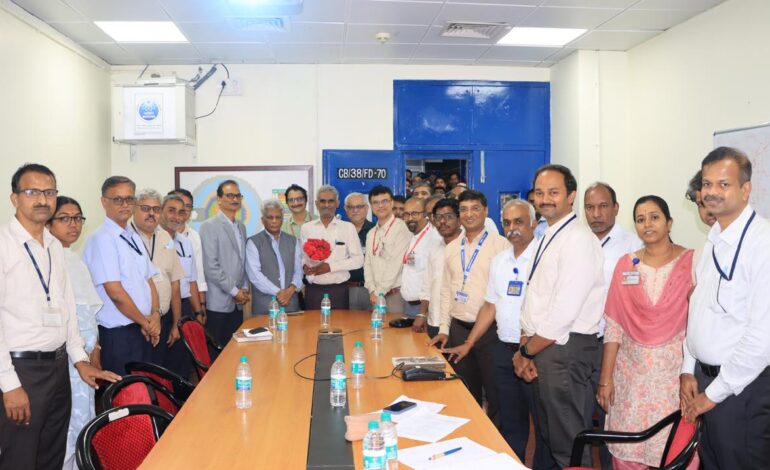
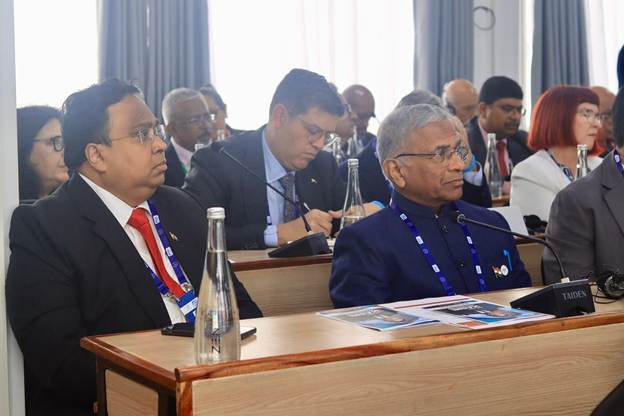
Secretary, Department of Atomic Energy and Chairman, Atomic Energy Commission Ajit Kumar Mohanty was present during the milestone, along with senior officials from the nuclear establishment.

500 MWe fast breeder reactor strengthens energy security, advances indigenous thorium-based strategy
Kalpakkam (Tamil Nadu): India’s 500 MWe Prototype Fast Breeder Reactor (PFBR) at Kalpakkam has achieved first criticality, marking a major milestone in the country’s nuclear energy programme and its long-term strategy for energy security.
The first criticality – initiation of a controlled nuclear fission chain reaction – was achieved on April 6 at 8:25 PM after meeting all safety requirements laid down by the Atomic Energy Regulatory Board.
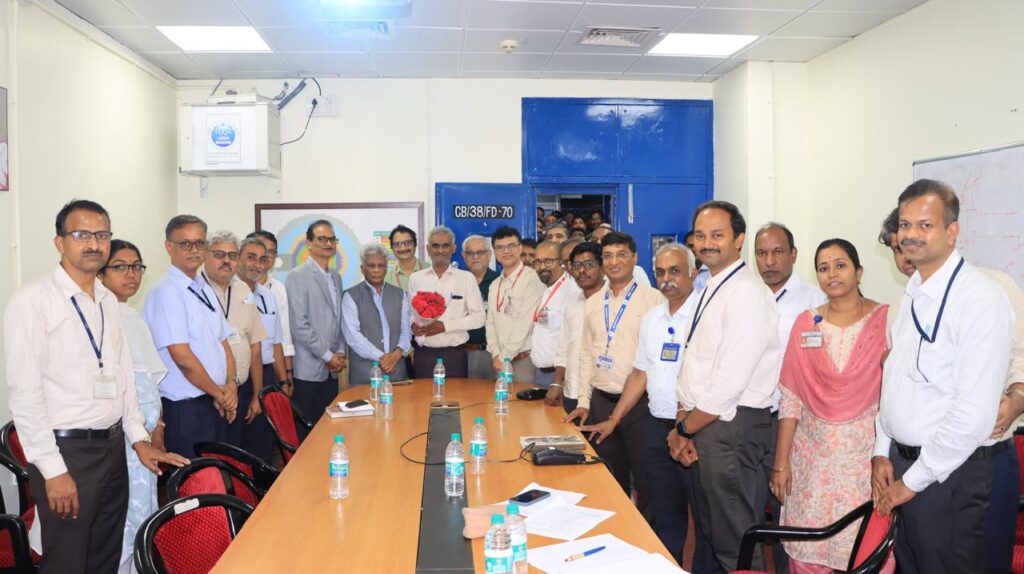
Secretary, Department of Atomic Energy and Chairman, Atomic Energy Commission Ajit Kumar Mohanty was present during the milestone, along with senior officials from the nuclear establishment.
The PFBR has been indigenously designed by the Indira Gandhi Centre for Atomic Research and constructed by Bharatiya Nabhikiya Vidyut Nigam Limited, reflecting India’s growing capability in advanced nuclear engineering and self-reliance in strategic technologies, DAE said in a statement on Tuesday.
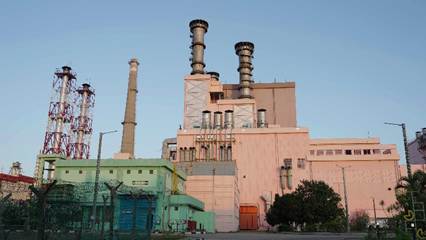
Fast Breeder Reactors form a critical component of India’s three-stage nuclear power programme. Unlike conventional reactors, the PFBR uses uranium-plutonium mixed oxide fuel and is capable of producing more fuel than it consumes by converting uranium-238 into plutonium-239. The reactor is also designed to eventually utilise thorium-232, a resource in which India has significant reserves.
This capability enables optimal utilisation of limited uranium resources while preparing the foundation for large-scale deployment of thorium-based reactors in the future.
With the achievement of first criticality, the PFBR moves into the next phase of commissioning, bringing India closer to realising the full potential of its nuclear power strategy. Fast breeder technology acts as a bridge between the existing pressurised heavy water reactors and future thorium-based systems, ensuring long-term sustainability of nuclear energy.
The reactor incorporates advanced safety features, including high-temperature liquid sodium coolant systems and a closed fuel cycle that allows recycling of nuclear materials, reducing waste and improving efficiency.
Officials said the milestone highlights the strength of India’s indigenous design, manufacturing and engineering ecosystem, with contributions from a large number of scientists, engineers, technicians and industry partners.
Beyond energy generation, the fast breeder programme is expected to strengthen India’s capabilities in nuclear fuel cycle technologies, advanced materials and reactor design, supporting the development of next-generation nuclear systems.
The development comes at a time when India is expanding its clean energy portfolio, with nuclear power expected to play a key role in providing reliable, low-carbon base-load electricity.
The attainment of first criticality at Kalpakkam marks a significant step towards a sustainable, self-reliant and technologically advanced energy future.