Barrier-Less Toll Rollout Faces Misuse as Motorists Find Ways to Dodge Fees
The issue has surfaced days after Delhi’s first barrier-less toll plaza on the Urban Extension Road-II (UER-II) corridor at Mundka-Bakkarwala became operational.
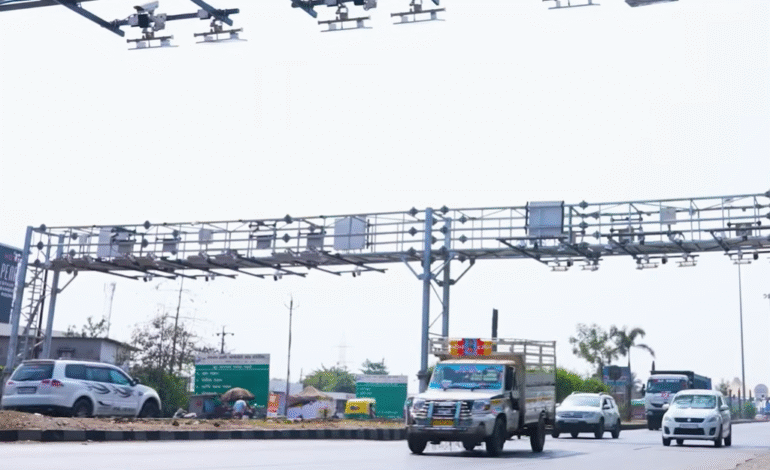
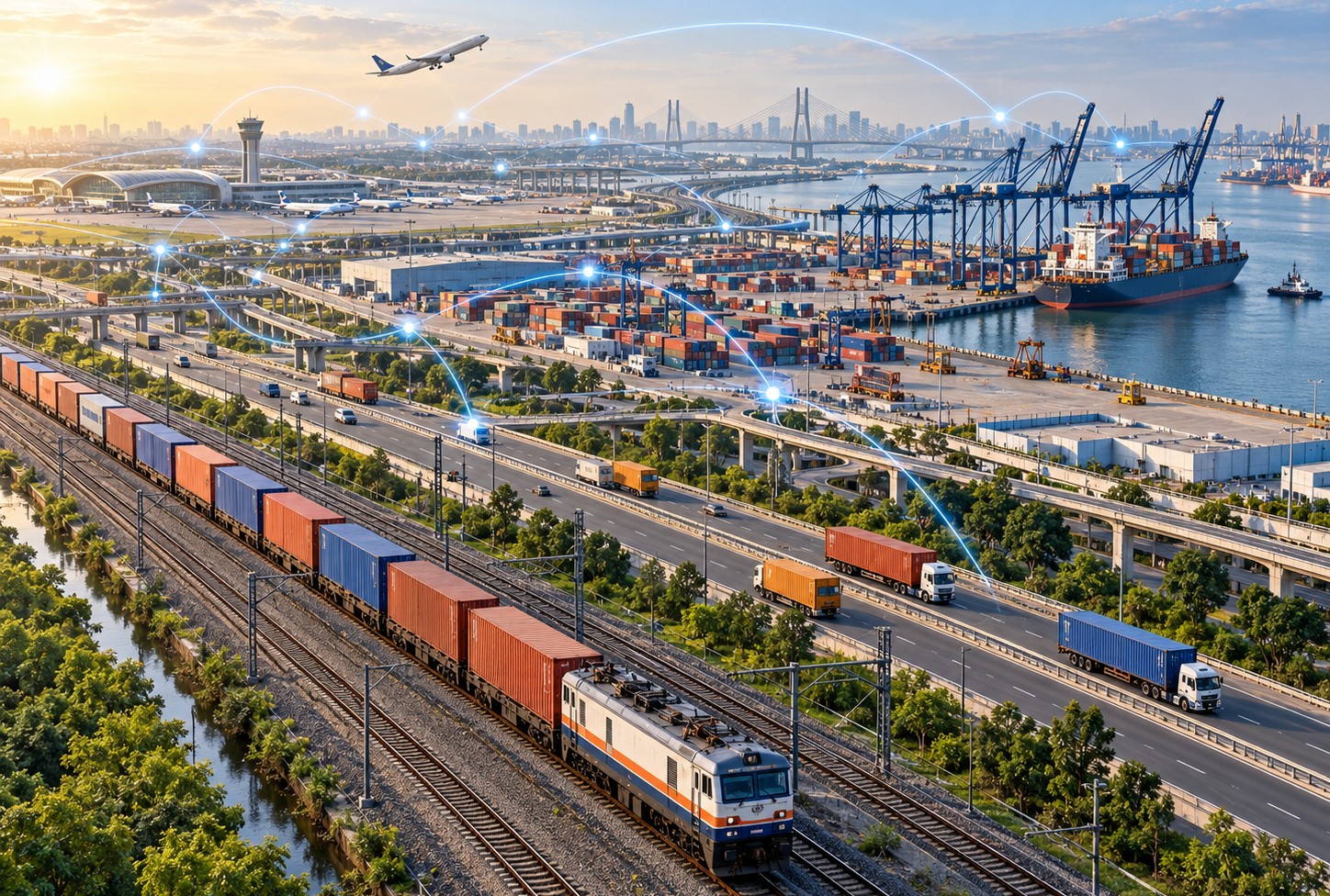
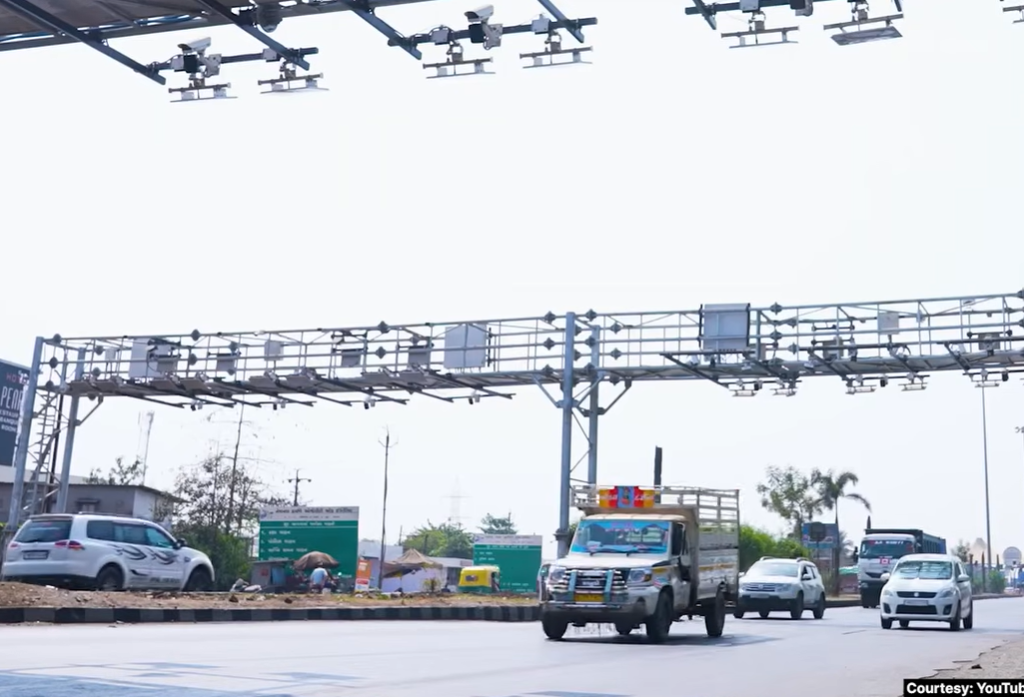
Under the MLFF system, vehicles no longer stop at toll booths. Instead, overhead gantries equipped with FASTag readers, AI cameras and ANPR technology automatically identify vehicles and deduct toll charges digitally while vehicles continue moving at highway speeds.

New Delhi: India’s ambitious transition towards barrier-less highway toll collection is facing early enforcement challenges, with the National Highways Authority of India (NHAI) detecting multiple attempts by motorists to evade toll payments under the new Multi-Lane Free Flow (MLFF) system.
The issue has surfaced days after Delhi’s first barrier-less toll plaza on the Urban Extension Road-II (UER-II) corridor at Mundka-Bakkarwala became operational. Authorities say some vehicle owners are exploiting loopholes in the AI-enabled tolling mechanism by tampering with vehicle registration plates, concealing characters, or using non-standard number formats to confuse Automatic Number Plate Recognition (ANPR) cameras.
Under the MLFF system, vehicles no longer stop at toll booths. Instead, overhead gantries equipped with FASTag readers, AI cameras and ANPR technology automatically identify vehicles and deduct toll charges digitally while vehicles continue moving at highway speeds.
However, NHAI officials have found that some motorists are deliberately obscuring High Security Registration Plates (HSRPs) using paper, plastic covers, reflective films, or altered lettering styles to prevent the cameras from accurately reading the registration number. In a few cases, motorists reportedly used mechanisms capable of flipping or partially hiding number plates while driving.
Authorities said another common issue involves vehicles without properly mounted FASTags on the windscreen, making automatic toll deduction difficult. Though such cases currently account for less than one percent of traffic, officials warned that even small-scale misuse could undermine the effectiveness of the barrier-free tolling ecosystem.
The government is aggressively expanding MLFF tolling nationwide as part of a broader highway modernisation initiative. Union road transport and highways minister Nitin Gadkari recently announced that physical toll plazas across India are expected to be phased out by the end of 2026 and replaced with automated distance-based toll collection systems.
According to NHAI, the first phase of the rollout covers multiple toll plazas across states including Gujarat, Delhi, Haryana, Rajasthan, Karnataka, Maharashtra, Assam and Tamil Nadu. More than 100 additional plazas are planned under the second phase by March 2027.
NHAI has also warned users that failed or unpaid toll transactions could trigger electronic notices. If dues are not cleared within 72 hours, motorists may face double toll penalties, FASTag blacklisting, and possible restrictions linked to the VAHAN vehicle database platform.
The barrier-less system is expected to significantly reduce congestion, fuel wastage and travel delays on national highways. However, transport experts believe stricter enforcement, improved AI accuracy and tougher penalties for registration plate tampering will be critical to ensuring the long-term success of the nationwide rollout.