Commissioner Hari Kiran Emerging as Tech-Driven Reformer in Telangana Excise Administration
Focus on digital enforcement, transparency and smart governance helping Telangana Excise strengthen revenue performance and operational efficiency
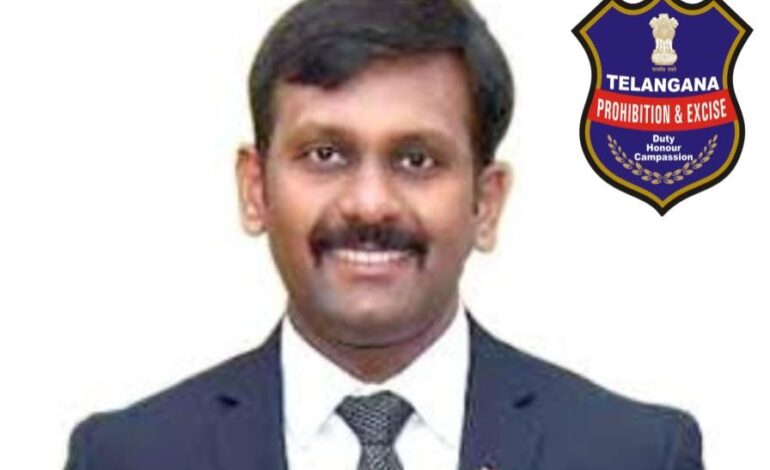
Hari Kiran, known for his methodical and result-oriented administrative style, has reportedly been encouraging data-driven monitoring mechanisms, digital surveillance tools and faster response systems across the department’s field formations.

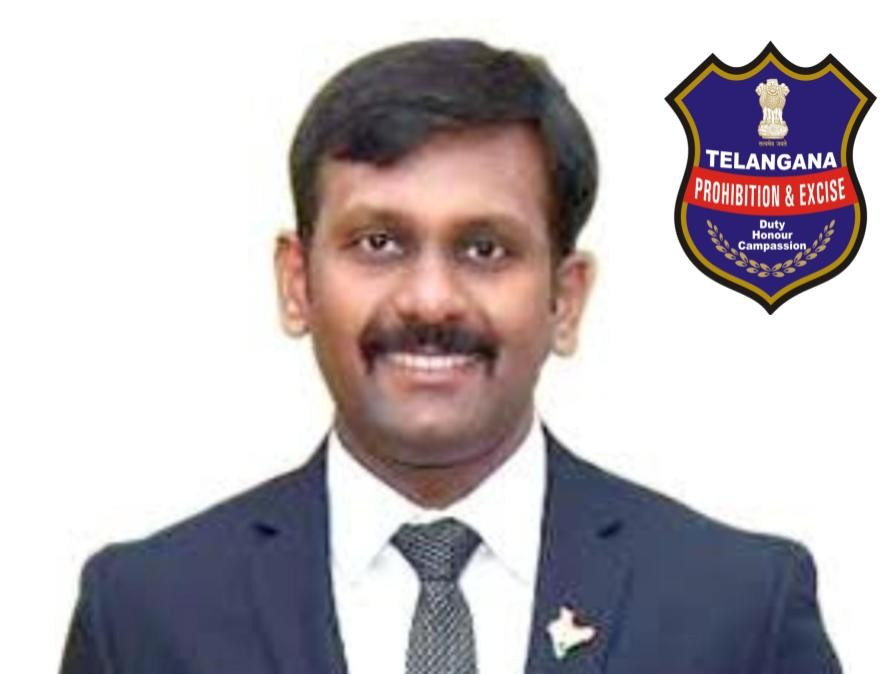
Hyderabad: Telangana Excise Commissioner C. Hari Kiran is increasingly being recognised within administrative and policy circles for introducing technology-driven reforms, modern enforcement systems and transparent governance practices aimed at transforming the functioning of the state’s Excise Department.
Officials and industry observers say the department, under the leadership of Hari Kiran and the guidance of Principal Secretary M. Raghunandan Rao, has been focusing on combining strict enforcement with digital monitoring, intelligence-based operations and streamlined administrative systems to improve efficiency and accountability.
The department’s revenue performance in recent months has also attracted attention. Telangana recorded liquor sales exceeding ₹40,306 crore during the 2025–26 financial year, reflecting nearly 7 percent year-on-year growth over the previous fiscal.
December 2025 alone emerged as a record-breaking month, with liquor sales touching an all-time high of ₹5,102 crore — the first time monthly excise revenue crossed the ₹5,000 crore mark in the state.
Official figures showed that liquor worth more than ₹350 crore was sold on December 31 alone, while cumulative sales during the final five days of the month crossed ₹1,344 crore.
Administrative sources attribute part of this improved performance to tighter monitoring systems, enhanced coordination between district enforcement units and stronger control mechanisms aimed at curbing illegal liquor movement and revenue leakages.
Hari Kiran, known for his methodical and result-oriented administrative style, has reportedly been encouraging data-driven monitoring mechanisms, digital surveillance tools and faster response systems across the department’s field formations.
Officials say greater emphasis is now being placed on intelligence-led enforcement, tracking patterns of illicit liquor activity and improving inter-departmental coordination for enforcement operations.
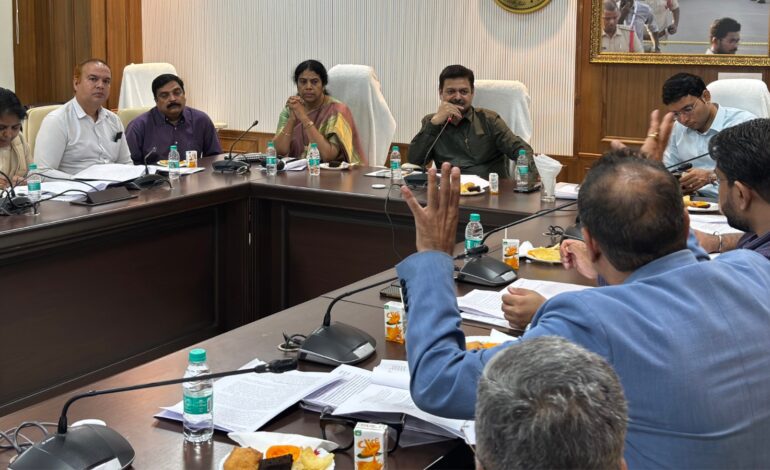
The Excise Department has also been focusing on improving internal accountability structures and streamlining operational workflows through technology-enabled systems. Administrative observers note that the department’s approach increasingly reflects broader governance trends centred around digitisation and real-time monitoring.
The Telangana government has simultaneously intensified measures against illegal liquor trade and unauthorised belt shops. Excise minister Jupally Krishna Rao recently stated that enforcement activity has significantly increased, with excise-related cases rising by nearly 56 percent under the current administration.
The department has also seen strong participation in the recently completed liquor retail licensing cycle. Telangana received more than 95,000 applications for 2,620 liquor shop licences for the 2025–27 policy period, underlining the scale and commercial significance of the sector.
Apart from enforcement, officials say Hari Kiran has been encouraging a more public-oriented administrative culture focused on transparency, regulatory compliance and efficient service delivery mechanisms.
Observers believe his balanced approach — combining strict enforcement with modern administrative innovation — is helping Telangana emerge as one of the states attempting to build smart governance models in excise administration.
The department’s evolving strategy also aligns with Telangana’s larger emphasis on technology-enabled governance across sectors, including digital infrastructure, investment facilitation and real-time administrative monitoring.
With Telangana continuing to position itself as a fast-growing investment and infrastructure destination, officials believe institutional reforms in departments such as Excise are becoming increasingly important for improving governance standards, regulatory confidence and revenue management systems.