How Narendra Modi’s Foreign Outreach Elevated India’s Global Standing
Foreign investments, defence partnerships, technology alliances and strategic balancing have significantly strengthened India’s international position over the past decade.
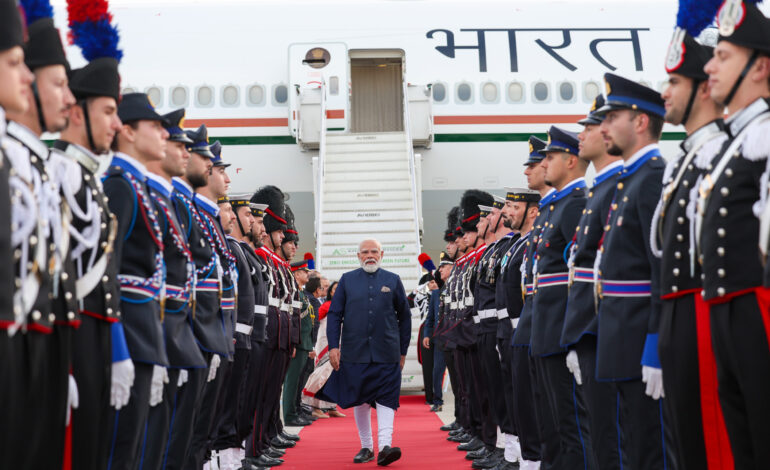
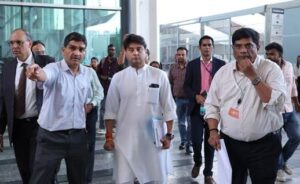
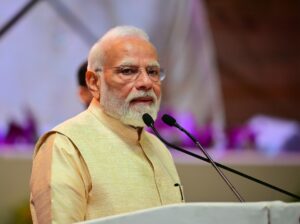
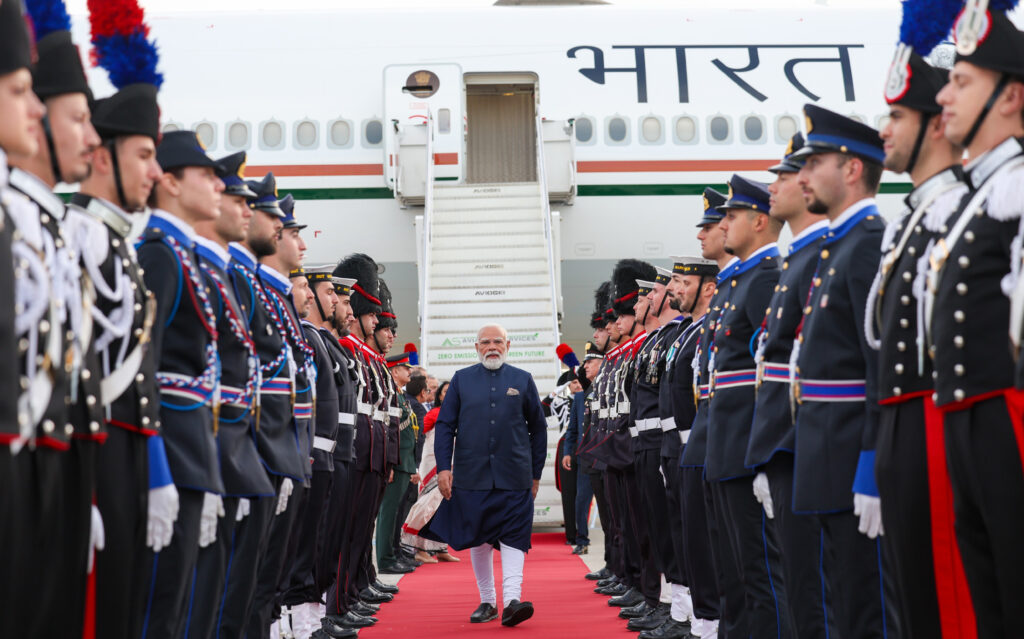
PM Narendra Modi arrives in Italy (Rome) on the final leg of his five-nation visit on May 19, 2026.

In contemporary geopolitics, diplomacy is no longer confined to ceremonial state visits or carefully scripted bilateral meetings. It has evolved into a decisive instrument of economic expansion, strategic influence, technological cooperation and geopolitical positioning. Nations today compete not merely through military strength or domestic economic capacity, but through sustained diplomatic engagement capable of shaping global alliances and long-term strategic confidence.
Measured against this changing international order, Prime Minister Narendra Modi’s foreign outreach during the past decade represents one of the most transformative phases in India’s post-Independence diplomatic history. The significance of these overseas engagements lies not in the number of visits alone, but in the structural shift they brought to India’s global standing.
For decades after Independence, India’s diplomacy largely reflected caution, strategic restraint and limited global outreach. India maintained credibility among developing nations and enjoyed moral standing in multilateral forums, yet its global influence often remained below its civilisational stature and demographic strength. Since 2014, however, Indian diplomacy has acquired unprecedented visibility, continuity and strategic depth.
Strategic Shift in Indian Diplomacy
Narendra Modi’s foreign policy approach altered the conventional grammar of Indian diplomacy. International engagement became more direct, leadership-driven and economically focused. Foreign visits ceased to be symbolic exercises and evolved into platforms for investment mobilisation, defence cooperation, technology partnerships and geopolitical positioning.
Since assuming office in 2014, Prime Minister Modi has visited nearly 79 countries, with total overseas engagements nearing 100. More important than the numerical scale of these visits is the strategic breadth of outcomes they generated. India’s relations with the United States, France, Japan, Australia, the United Arab Emirates, Saudi Arabia, Egypt, Greece, Brazil and several European and African nations evolved into multidimensional strategic partnerships involving defence, energy security, digital technology, infrastructure and supply-chain cooperation.
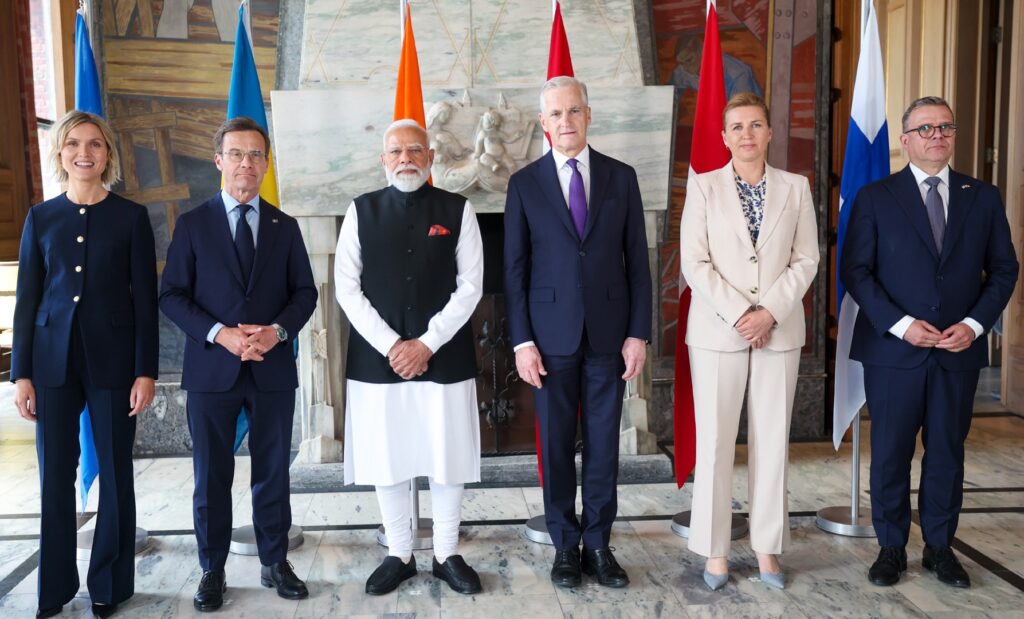
Recent engagements with Italy, Norway, the Netherlands and Denmark further strengthened India’s outreach in green energy, maritime connectivity, digital infrastructure and advanced technology collaboration. Simultaneously, India deepened strategic engagement with West Asian nations through long-term energy partnerships, logistics corridors and investment cooperation.
At the heart of this diplomatic outreach lies a well-defined strategic framework — national interest anchored in economic development. “Neighbourhood First”, Indo-Pacific cooperation, strategic balancing, economic diplomacy and engagement with the Global South became interconnected pillars of India’s external policy architecture.
Foreign Investment and Economic Partnerships
One of the most measurable outcomes of this diplomatic activism has been the scale of foreign investment inflows into India. According to official data released by the Department for Promotion of Industry and Internal Trade, India received approximately 748.78 billion US dollars in foreign direct investment between 2014 and 2025, equivalent to more than ₹62 lakh crore in Indian currency. Official estimates suggest nearly 70 percent of India’s total FDI inflows since 2000 were received during this period.
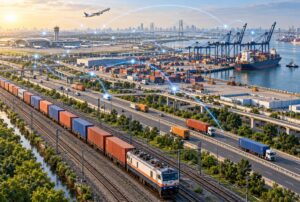
These investments reflected growing global confidence in India’s economic stability, regulatory reforms, manufacturing potential, digital infrastructure and long-term growth prospects. Global corporations from the United States, Japan, Singapore, France, Germany, South Korea and the Gulf region expanded their footprint across electronics manufacturing, semiconductors, renewable energy, logistics, defence production and digital technology.
India’s Comprehensive Economic Partnership Agreement with the United Arab Emirates marked a major milestone in economic diplomacy. Bilateral trade crossed 100 billion US dollars, approximately ₹8.3 lakh crore, with both countries setting a long-term target of 200 billion US dollars. Beyond trade, the partnership expanded into energy security, food corridors, port development, digital systems and strategic infrastructure.
Japan’s participation in India’s infrastructure transformation became another defining example of strategic economic cooperation. Japanese financial and technological support for the Mumbai-Ahmedabad High-Speed Rail Corridor, industrial corridors, metro rail systems and smart city projects reflected long-term confidence in India’s development trajectory. Japan’s economic cooperation commitments reached nearly 35 billion US dollars, approximately ₹2.9 lakh crore.
Saudi Arabia’s investment commitments in India crossed 44 billion US dollars, roughly ₹3.65 lakh crore, particularly in energy, petrochemicals and refinery infrastructure. These partnerships strengthened India’s long-term energy security at a time of growing global uncertainty in fuel supply systems.
Defence and Technology Cooperation
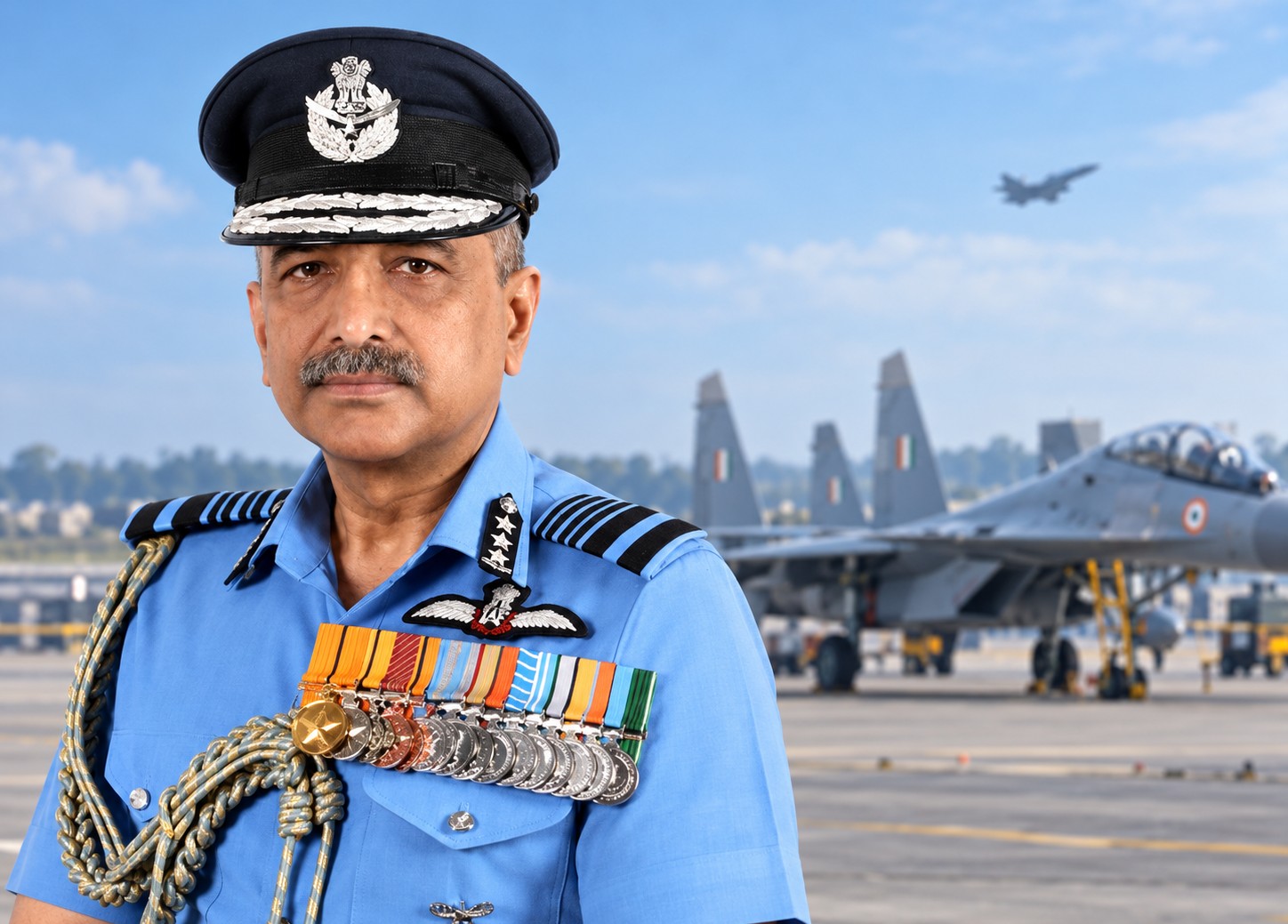
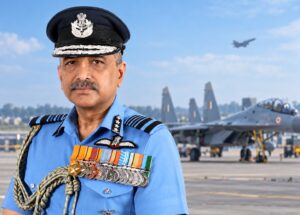
In the defence sector, India’s diplomatic engagements produced equally important strategic outcomes. The Rafale fighter aircraft agreement with France substantially enhanced India’s air combat capability. Defence cooperation with the United States expanded into advanced areas such as jet-engine manufacturing, drone technology and emerging defence systems. Partnerships with Israel in surveillance and missile technology strengthened India’s security architecture, while maritime cooperation with Australia reinforced India’s Indo-Pacific strategic posture.
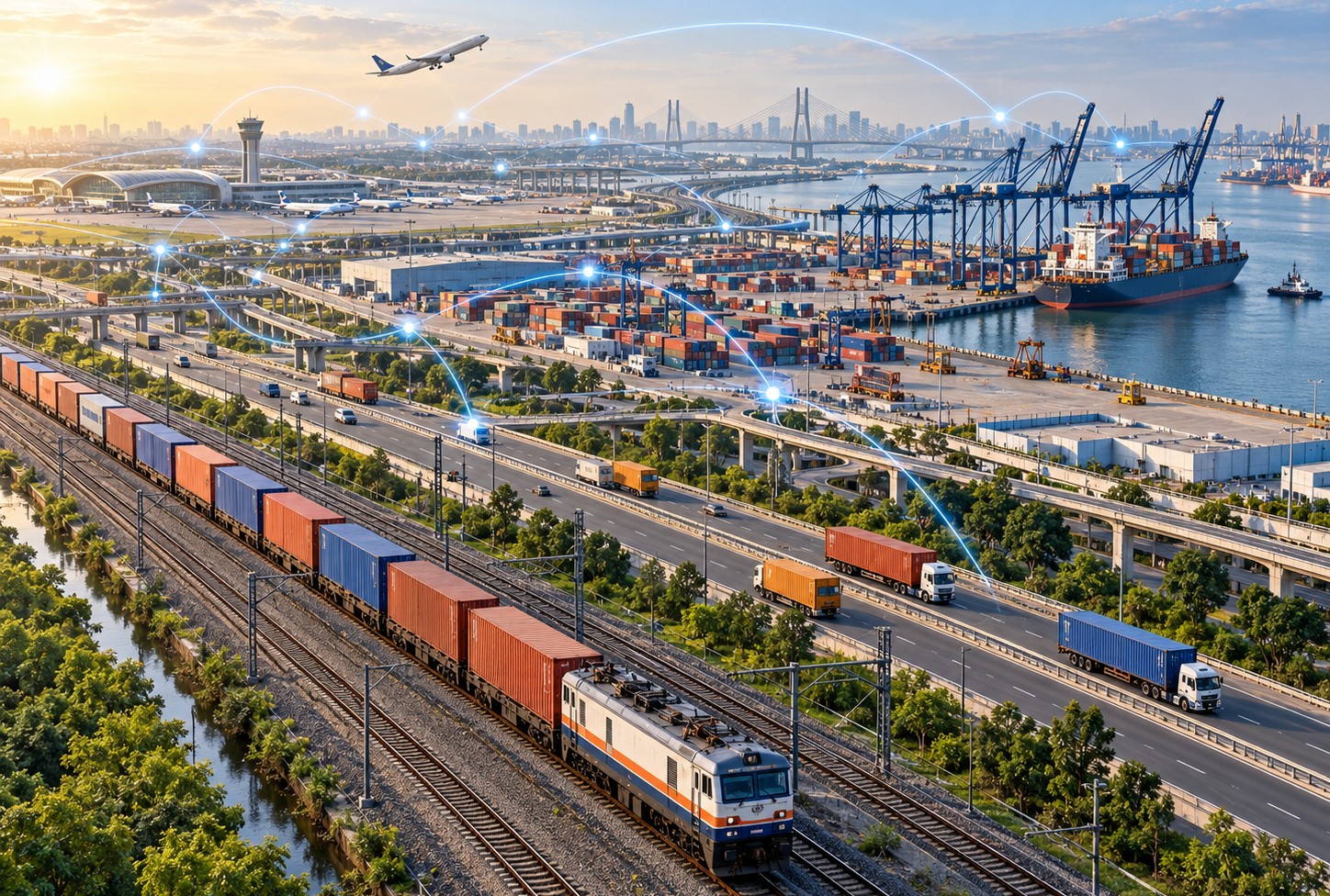
Technology diplomacy also emerged as a defining feature of Modi’s foreign outreach. India expanded international cooperation in semiconductor manufacturing, renewable energy, digital public infrastructure, artificial intelligence and space research. Strategic partnerships with countries such as the United States, Japan, Taiwan, France and South Korea positioned India as an emerging global manufacturing and technology destination.
India’s Global Balancing Strategy
Equally significant has been India’s ability to maintain strategic balance amid an increasingly polarised world order. India strengthened ties with the United States without weakening its longstanding relationship with Russia. It expanded economic engagement with Europe while simultaneously emerging as a leading voice of developing nations. During major geopolitical crises, including the Ukraine conflict and instability in West Asia, India consistently projected itself as a nation advocating dialogue, strategic restraint and multipolar equilibrium.
Another significant dimension of Modi’s foreign diplomacy has been the mobilisation of the Indian diaspora as a strategic soft-power asset. Large-scale engagements with overseas Indians in the United States, Australia, the United Kingdom and Gulf nations transformed diaspora interactions into platforms of national influence and global image-building. India’s international profile increasingly began to reflect confidence, continuity and civilisational depth.
Global Recognition and Strategic Outcomes
The global recognition accorded to Prime Minister Modi also reflects India’s rising international stature. By May 2026, he had received 32 major international honours and state decorations from foreign governments and global institutions. These include France’s Legion of Honour, Russia’s Order of St. Andrew, the UAE’s Order of Zayed, Egypt’s Order of the Nile, Bhutan’s Order of the Druk Gyalpo and several other prestigious state honours. These honours reflect not merely personal recognition but the expanding geopolitical relevance of India itself.
Criticism of foreign visits is neither new nor unexpected in democratic politics. However, reducing modern diplomacy to travel statistics alone overlooks the realities of twenty-first century statecraft. Economic influence, defence cooperation, energy partnerships, supply-chain integration and strategic trust cannot be cultivated through isolation or bureaucratic communication alone. Sustained leadership-level engagement remains indispensable in an interconnected global system.
Many political criticisms surrounding Modi’s foreign visits continue to emerge from narrow partisan perspectives rather than comprehensive strategic evaluation. Before dismissing diplomatic outreach, it becomes necessary to examine the larger outcomes — foreign investments, defence cooperation, technological partnerships, global influence, energy security and India’s enhanced standing across major international platforms.
Modern geopolitics increasingly operates through relationships built on leadership credibility and strategic continuity. India’s expanding partnerships with the United States, France, Japan, the Gulf nations and major European economies reflect precisely such long-term diplomatic investment.
Narendra Modi’s foreign policy vision consistently projects a “Nation First” development framework. Overseas engagements have been used not merely for political visibility, but as instruments for accelerating India’s economic growth, industrial expansion, technological modernisation and strategic preparedness. Investment flows, manufacturing partnerships, infrastructure cooperation, energy security and employment generation became integral components of this diplomatic approach.
India today is no longer perceived as a passive observer in global affairs. It is increasingly recognised as a balancing power, an emerging economic centre and an influential voice of the developing world. Its leadership during the G20 Presidency, expanding role in the Indo-Pacific region and growing influence within forums such as BRICS and Quad illustrate this transformation.
History ultimately judges diplomacy not by optics alone, but by national outcomes. Judged through the lens of strategic influence, economic partnerships, defence modernisation, technological advancement and international credibility, Narendra Modi’s diplomatic outreach has undeniably reshaped India’s global profile.
For the first time in decades, India is not merely responding to international developments. It is actively participating in shaping them.