India set to launch first-ever Index of Services Production as MoSPI unveils framework for monthly services sector tracking
The new index, with 2024-25 as the base year, is designed to provide a comprehensive monthly measure of short-term movements in India's formal services economy, complementing the existing Index of

To develop the index, MoSPI constituted the Technical Advisory Committee on Index of Services Production (TAC-ISP) in May 2025 under the chairpersonship of Debjani Ghosh, Distinguished Fellow at NITI Aayog.


New Delhi: In a landmark step towards strengthening India’s economic statistics, the Ministry of Statistics and Programme Implementation (MoSPI) has released the report of the Technical Advisory Committee (TAC) on the compilation of the country’s first Index of Services Production (ISP), paving the way for the launch of a high-frequency indicator that will track monthly performance of the services sector.
The new index, with 2024-25 as the base year, is designed to provide a comprehensive monthly measure of short-term movements in India’s formal services economy, complementing the existing Index of Industrial Production (IIP).
With the services sector contributing nearly 53 per cent of India’s Gross Value Added (GVA) and serving as the country’s largest driver of growth, employment and exports, the ISP is expected to significantly improve economic policymaking and business decision-making.
A Major Upgrade to India’s Statistical System
MoSPI said the proposed ISP marks an important milestone in modernising India’s statistical framework by filling a long-standing gap in measuring monthly activity in the country’s largest economic sector.
Unlike the IIP, which tracks industrial production, the ISP will offer policymakers, businesses and investors timely insights into trends across the formal services economy.
GST Data to Drive Monthly Estimates
One of the most significant features of the new framework is its extensive use of Goods and Services Tax (GST) data.
Every month, millions of businesses file GST returns reporting their outward supplies. MoSPI will use aggregated GST information to estimate real changes in service sector output after adjusting for inflation through appropriate price deflators.
The ministry clarified that it will receive only aggregated GST data and will not access or require unit-level taxpayer information, ensuring privacy while leveraging existing administrative datasets without imposing additional reporting requirements on businesses.
Multiple Data Sources for Comprehensive Coverage
While GST data provides broad coverage for market-based services such as:
- Trade
- Accommodation and food services
- Telecommunications
- Professional services
- Real estate
- Administrative support services
the ISP will also capture sectors outside the GST framework.
For GST-exempt sectors – including healthcare, education, railways, portions of insurance, public transport and essential commodity transportation – the index will rely on administrative datasets from railways, aviation, banking and insurance, along with ASISSE data for education and health.
This blended approach has been specifically designed to reflect India’s unique economic structure.
Expert Committee Finalises Methodology
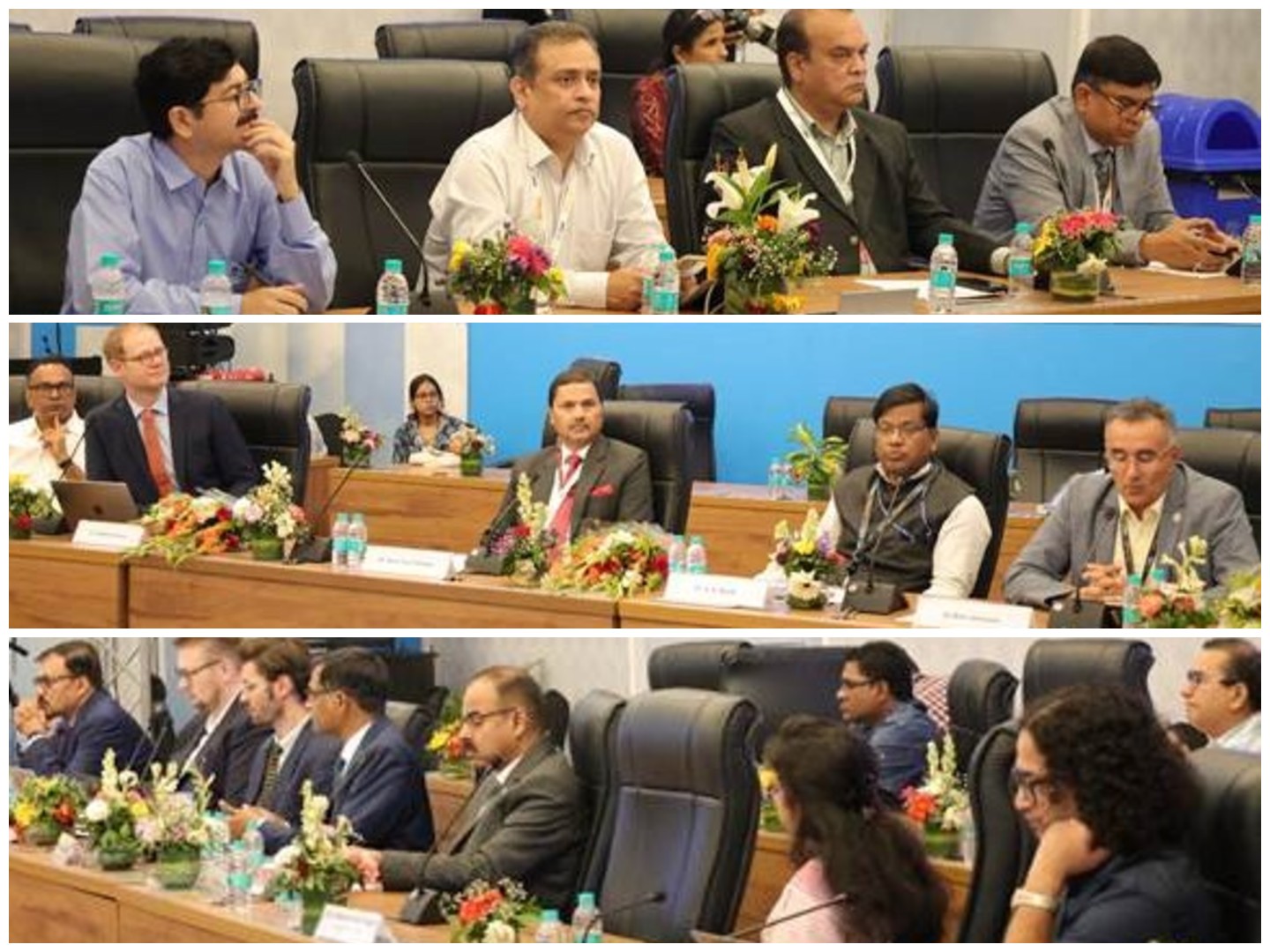
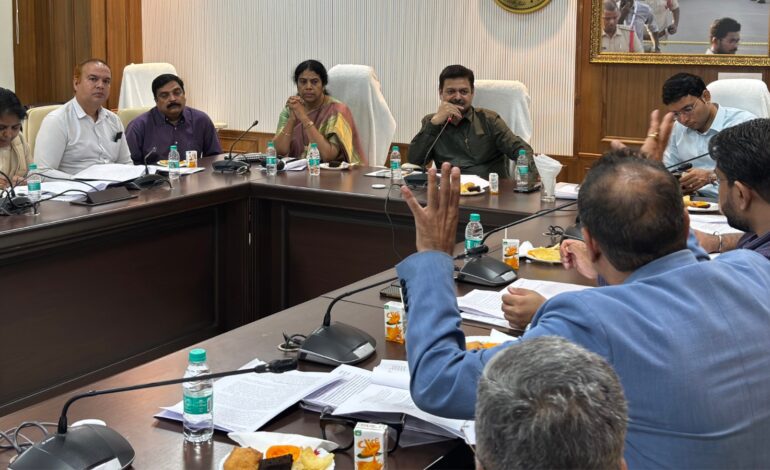
To develop the index, MoSPI constituted the Technical Advisory Committee on Index of Services Production (TAC-ISP) in May 2025 under the chairpersonship of Debjani Ghosh, Distinguished Fellow at NITI Aayog.
The committee included representatives from academia, industry associations and multiple government ministries. Following extensive consultations and public feedback on an approach paper released in April 2026, the committee finalised the conceptual and methodological framework for the new index.
Key Recommendations
The report recommends:
- 2024-25 as the base year
- Laspeyres Volume Index methodology
- Compilation at the 2-digit NIC 2025 level
- Aggregation using Gross Value Added (GVA) weights
- Monthly compilation of sectoral indices
- Release of the ISP within 60 days of the reference month
Index of Services Production (ISP): Key Highlights
- MoSPI releases framework for India’s first Index of Services Production (ISP).
- Services sector contributes nearly 53% of India’s Gross Value Added (GVA).
- Base Year: 2024–25.
- Monthly indicator to complement the Index of Industrial Production (IIP).
- Aggregated GST data to serve as the primary data source.
- Additional datasets to cover health, education, railways, insurance and transport.
- Laspeyres Volume Index methodology recommended.
- Compilation at the 2-digit NIC 2025 level using GVA weights.
- Monthly release proposed within 60 days of the reference month.
- First trial ISP series scheduled for 14 July 2026.
Initially, both overall and sector-specific indices will be released on a trial basis to validate methodology, gather stakeholder feedback and assess the robustness of the framework before full-scale implementation.
The first trial ISP series is scheduled to be released on 14 July 2026, marking the beginning of a new era in India’s official economic statistics.
The launch of the Index of Services Production represents one of the most significant statistical reforms since the introduction of GST. While the Index of Industrial Production has long served as India’s monthly manufacturing barometer, the absence of a comparable services-sector indicator has limited real-time assessment of the country’s largest economic contributor.
By combining GST data with administrative datasets and modern statistical methodologies, the ISP promises to deliver a more accurate and timely picture of India’s economic momentum. For policymakers, investors and businesses, it will become a critical tool for tracking growth trends, assessing sectoral performance and supporting evidence-based economic decisions.