India Strengthens Monument Conservation Framework with Technology Push, PPP Models
Integration of science, digital tools and tourism-led development reshapes heritage preservation ecosystem New Delhi: India has significantly strengthened its monument conservation ecosystem, combining legislative safeguards, scientific restoration methods and technology-driven
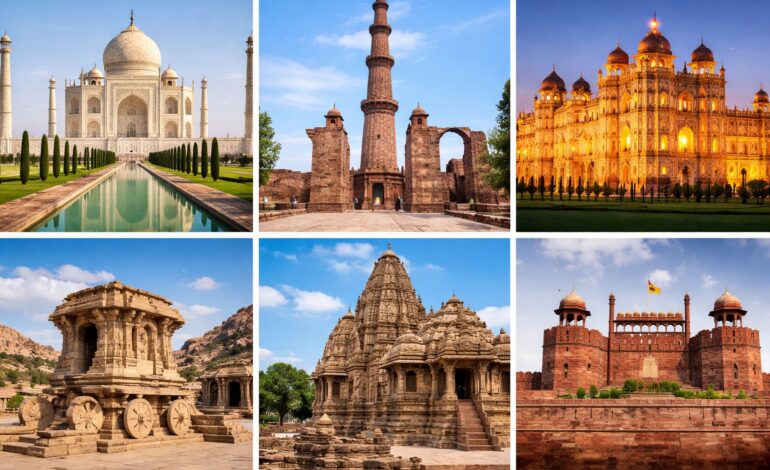
Tools such as LiDAR scanning, photogrammetry, drone-based surveys and GIS mapping are being deployed to improve documentation, monitor structural changes and enable long-term preservation planning.

Integration of science, digital tools and tourism-led development reshapes heritage preservation ecosystem
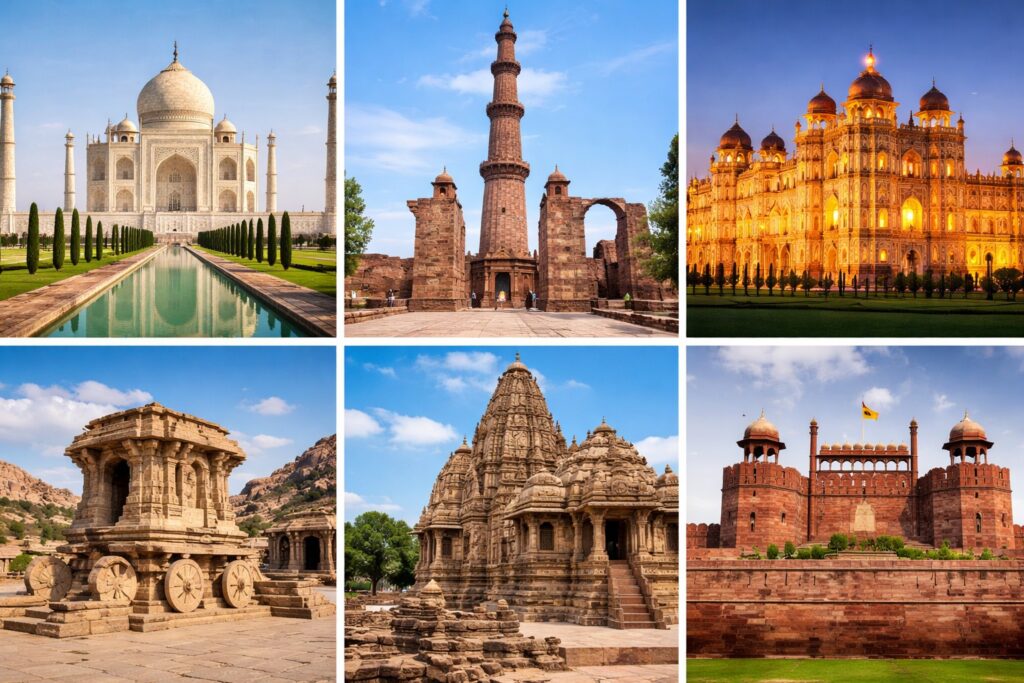
New Delhi: India has significantly strengthened its monument conservation ecosystem, combining legislative safeguards, scientific restoration methods and technology-driven documentation to protect its vast cultural heritage, according to a recent government overview on heritage preservation.
The Archaeological Survey of India (ASI), the country’s principal heritage body, currently safeguards 3,686 centrally protected monuments, supported by a structured conservation programme and expanding use of scientific techniques. For 2024–25, the government has allocated ₹374 crore towards monument conservation, reflecting a sustained focus on preserving historical assets
India’s heritage preservation approach is anchored in a robust constitutional and legal framework. Article 49 mandates the state to protect monuments of national importance, while the Seventh Schedule ensures a clear division of responsibilities between the Centre and states. In addition, Article 51A(f) places a fundamental duty on citizens to preserve the country’s cultural heritage, reinforcing a participatory model of conservation
The policy architecture is further guided by the Ancient Monuments and Archaeological Sites and Remains Act, 1958, and the National Policy for Conservation of Ancient Monuments (2014), which emphasise scientific preservation, minimal intervention and the use of traditional materials alongside modern techniques.
A notable shift in recent years has been the integration of advanced technologies into conservation practices. Tools such as LiDAR scanning, photogrammetry, drone-based surveys and GIS mapping are being deployed to improve documentation, monitor structural changes and enable long-term preservation planning.
Scientific laboratory techniques including spectroscopy and material analysis are also increasingly used to assess deterioration patterns and determine appropriate restoration methods, marking a transition towards evidence-based conservation
In parallel, the government is leveraging artificial intelligence and digital platforms to build comprehensive heritage databases. The National Mission on Monuments and Antiquities has already documented over 11,000 heritage sites and more than 12 lakh antiquities, creating a foundational dataset for conservation planning
PPP model and tourism integration drive local economies
India’s conservation strategy is increasingly aligned with economic development and tourism. The Adopt a Heritage 2.0 initiative enables private sector participation in improving visitor amenities at major sites, while conservation responsibilities remain with the ASI.
Monuments such as Agra Fort, Qutub Minar and Ajanta Caves have benefited from improved infrastructure and visitor services, leading to higher tourist footfall and enhanced local economic activity
Cultural festivals hosted at heritage sites, including the Konark and Khajuraho dance festivals, are further strengthening the link between heritage preservation and livelihood generation, supporting local artisans, performers and service providers.
Digital access expands public engagement
The government has also prioritised digital outreach through platforms such as the Indian Culture Portal, offering virtual walkthroughs and 360-degree tours of major monuments. These initiatives are aimed at improving accessibility and fostering wider public engagement with India’s cultural assets.
Global recognition strengthens India’s cultural footprint
India’s global heritage profile continues to expand, with the country now home to 44 UNESCO World Heritage Sites, including the recent addition of the Maratha Military Landscapes in 2024. The growing list underscores India’s position as one of the world’s leading custodians of cultural heritage
Science and tradition converge in restoration efforts
The restoration of the Kedarnath temple following the 2013 disaster stands out as a model of integrated conservation. The project combined traditional craftsmanship with advanced geotechnical analysis by IIT Chennai, ensuring structural stability while preserving architectural authenticity
A shift towards integrated heritage management
India’s monument conservation strategy is evolving into a holistic model that blends legal protection, scientific innovation, digital transformation and community participation. By linking heritage preservation with tourism, technology and local livelihoods, the country is positioning its cultural assets as both a legacy of the past and a driver of future development.
About Archaeological Survey of India (ASI):
The Archaeological Survey of India, under the Ministry of Culture, is responsible for archaeological research and the conservation of monuments of national importance across India. Established in 1861, it manages thousands of protected sites through a decentralised network of regional circles.