Cabinet Clears ₹24815 Cr Railway Multitracking Projects, 601 Km Network Expansion Approved
Projects across Uttar Pradesh and Andhra Pradesh to enhance capacity, cut logistics costs, and boost regional connectivity New Delhi: The Cabinet Committee on Economic Affairs on Saturday approved two major
The government said the projects will support economic development and create employment and self-employment opportunities in the regions covered by the new infrastructure.

Projects across Uttar Pradesh and Andhra Pradesh to enhance capacity, cut logistics costs, and boost regional connectivity
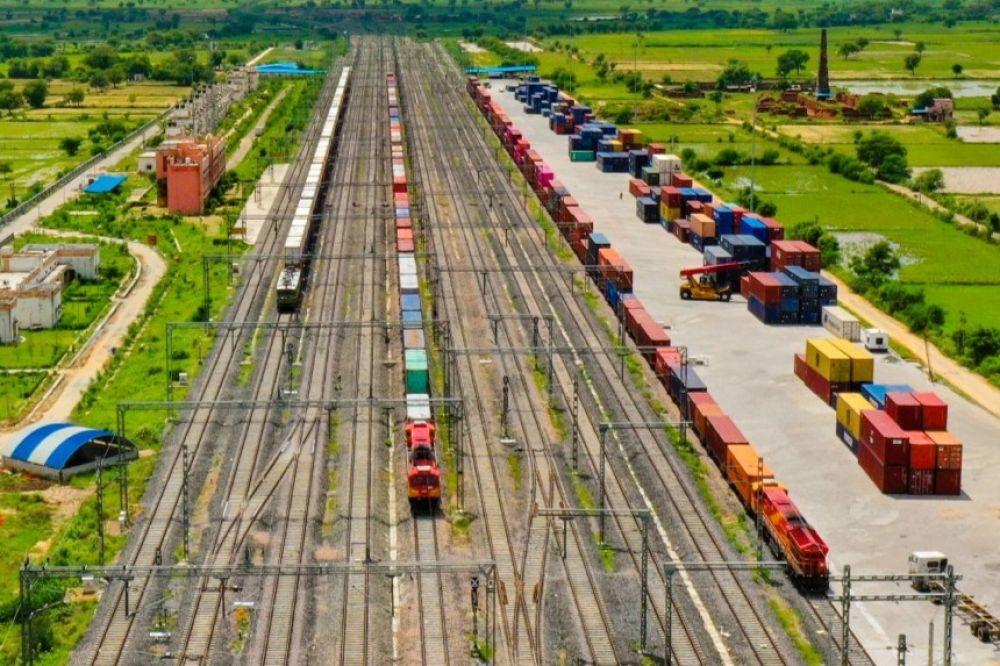
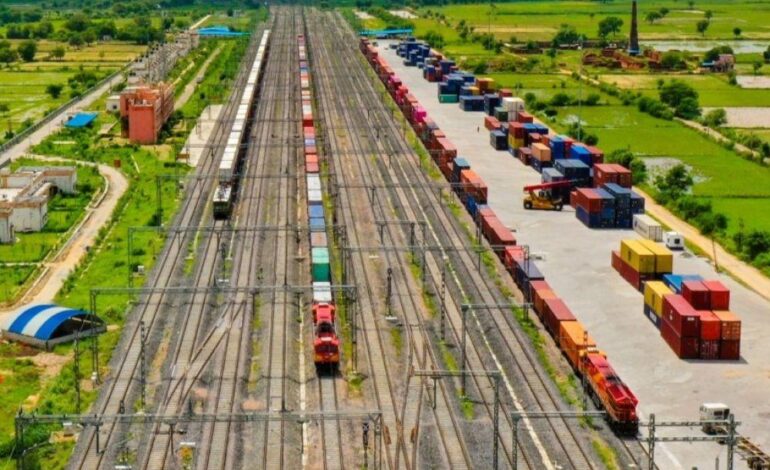
New Delhi: The Cabinet Committee on Economic Affairs on Saturday approved two major railway multitracking projects covering 15 districts across Uttar Pradesh and Andhra Pradesh, aimed at expanding the Indian Railways network by approximately 601 km and strengthening freight and passenger movement across key corridors.
The total estimated cost of the projects stands at ₹24,815 crore, with completion targeted by 2030–31, according to the official release.
Two Key Corridors to Drive Capacity Expansion
The approved projects include:
- Ghaziabad–Sitapur 3rd and 4th Line
- Route length: 403 km
- Track length: 859 km
- Cost: ₹14,926 crore
- Rajahmundry (Nidadavolu)–Visakhapatnam (Duvvada) 3rd and 4th Line
- Route length: 198 km
- Track length: 458 km
- Cost: ₹9,889 crore
Together, these projects will significantly augment line capacity and address congestion on high-density routes.
Efficiency, Connectivity and Economic Impact
The projects are expected to enhance operational efficiency and service reliability by decongesting existing routes. They are aligned with the PM Gati Shakti National Master Plan, focusing on integrated infrastructure development and multi-modal connectivity.
According to the document, improved rail capacity will:
- Streamline movement of passengers, goods and services
- Reduce logistics costs and improve supply chain efficiency
- Enhance connectivity to industrial clusters and ports
- Support regional economic development and employment generation
The projects will also improve access to key religious and tourist destinations such as Dudheshwar Nath Temple, Naimisharanya, Annavaram and Draksharamam, boosting tourism-linked economic activity.
Freight Growth and Environmental Gains
The corridors are critical for transporting bulk commodities including coal, cement, steel, fertilisers and containers. The enhanced capacity is expected to generate substantial additional freight traffic.
From a sustainability perspective, the projects will contribute to reducing carbon emissions by shifting freight movement from road to rail. The release notes that emissions savings could be equivalent to plantation of several crore trees, underlining railways’ role as an energy-efficient transport mode
Project-Specific Benefits
Ghaziabad–Sitapur Corridor
- Part of Delhi–Guwahati high-density network
- Capacity utilisation currently up to 168%, projected to exceed 200% without expansion
- Covers major industrial centres including Ghaziabad, Moradabad and Bareilly
- Expected to generate employment of 274 lakh human-days
- Annual logistics cost savings estimated at ₹2,877 crore
Rajahmundry–Visakhapatnam Corridor
- Part of Howrah–Chennai high-density route
- Supports port connectivity along the east coast
- Includes major infrastructure such as a 4.3 km rail bridge over the Godavari
- Expected to generate 135 lakh human-days of employment
- Annual logistics cost savings estimated at ₹1,150 crore
Boost to Aspirational Districts and Regional Growth
The projects are expected to improve connectivity in aspirational districts such as Visakhapatnam, creating new opportunities in tourism, industry and services. Enhanced rail access is also likely to support better healthcare, education and overall socio-economic development in the regions.
Strategic Push for Rail Infrastructure
The approval reflects the government’s continued focus on expanding railway infrastructure, increasing freight capacity and positioning Indian Railways as a key driver of economic growth.
The initiative is part of a broader push that includes record budget allocations and rising freight volumes, as India aims to strengthen its position among the world’s leading rail-based logistics networks.