GoM Greenlights GST Overhaul: India Moves to Two-Slab Structure with 40% ‘Sin Tax’ on Vice Goods
New Delhi, August 22: In a major step toward simplifying India’s indirect tax regime, the Group of Ministers (GoM) on Thursday unanimously accepted the Centre’s proposal to consolidate GST into

The overhaul has been described by government sources as a “game changer,” and is being seen as a step toward the eventual goal of introducing a single GST slab by 2047.

New Delhi, August 22: In a major step toward simplifying India’s indirect tax regime, the Group of Ministers (GoM) on Thursday unanimously accepted the Centre’s proposal to consolidate GST into two main tax slabs of 5% and 18%, while introducing a steep 40% levy on sin and luxury goods. The recommendations will now be placed before the GST Council for final approval, amid widespread anticipation of reform.
Under the new structure, the existing four-rate system of 5%, 12%, 18% and 28% will be reduced to two primary slabs. Essential and merit items will be taxed at 5%, while most standard goods and services will attract 18%. A separate 40% sin tax will apply to products considered harmful or non-essential, including tobacco, alcohol, gaming, fast food, luxury cars and similar categories. Officials said that almost all items currently taxed at 12% will move to the 5% bracket, while a large majority of goods under the 28% category will shift to 18%.
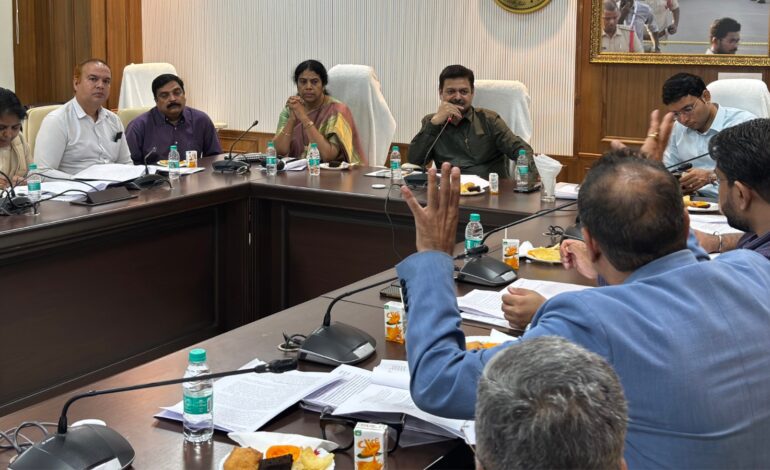
The GoM also reviewed the Centre’s proposal to exempt GST on health and life insurance premiums. While most states supported the idea, they stressed the need for strict oversight to ensure insurers pass on the benefits to consumers. The exemption is estimated to cost the exchequer about ₹9,700 crore annually. However, the Centre has not yet quantified the overall fiscal impact of the overhaul, prompting some states to remain cautious.
Finance Minister Nirmala Sitharaman, addressing the GoM earlier, said a simplified tax system would benefit the common man, farmers, the middle class and small businesses while making GST more transparent and growth-oriented. The move is also expected to ease compliance, reduce classification disputes, and make essential household items significantly cheaper for consumers.
Markets reacted swiftly to the announcement, with shares of alcohol, tobacco and gaming companies sliding by up to 4.5% following news of the proposed 40% tax. Policymakers said the steep levy was intended both as a revenue measure and as a public health safeguard, discouraging consumption of harmful products.
The overhaul has been described by government sources as a “game changer,” and is being seen as a step toward the eventual goal of introducing a single GST slab by 2047. The GST Council, which includes the Union Finance Minister and state counterparts, is expected to take up the recommendations in its next meeting scheduled for September, just ahead of the festive season.