Engineering Courses That Will Shape the Future: Top Choices for Students in the Age of AI
Artificial intelligence, automation, cybersecurity, data analytics, and semiconductor technologies are creating new career pathways and redefining the skills required for the jobs of tomorrow.
The engineers of tomorrow will not merely build machines and structures; they will design intelligent systems, secure digital ecosystems, power sustainable growth, and shape the future of humanity itself.

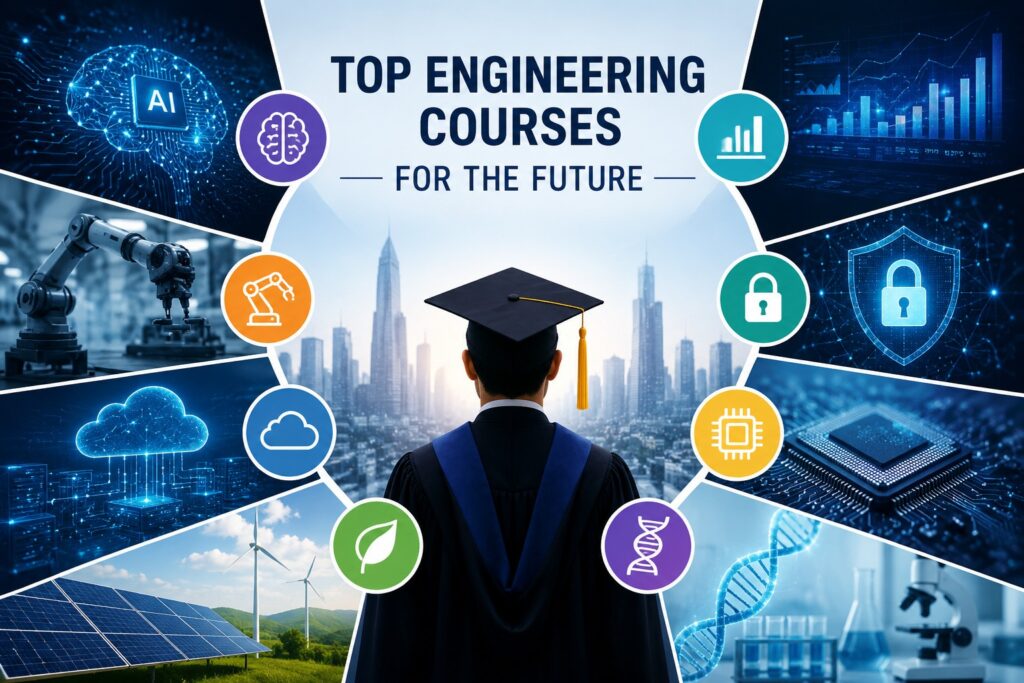
As technology transforms industries at an unprecedented pace, the engineering landscape is evolving far beyond traditional disciplines such as civil, mechanical, and electrical engineering. Artificial intelligence, automation, cybersecurity, data analytics, and semiconductor technologies are creating new career pathways and redefining the skills required for the jobs of tomorrow.
For students preparing to enter engineering colleges, choosing the right specialization has become more important than ever. Industry experts believe that the next decade will be dominated by technologies that enable intelligent systems, digital security, sustainable development, and advanced computing.
Artificial Intelligence and Machine Learning
Artificial Intelligence (AI) and Machine Learning (ML) have emerged as the most sought-after engineering specializations worldwide. From self-driving vehicles and virtual assistants to healthcare diagnostics and financial forecasting, AI applications are becoming an integral part of everyday life.
Graduates specializing in AI and ML can pursue careers as AI engineers, machine learning specialists, data scientists, and research professionals. With governments and businesses investing heavily in AI-driven innovation, demand for skilled professionals is expected to remain strong for years to come.
Data Science and Analytics
Data has become one of the world’s most valuable resources. Organizations across sectors rely on data-driven insights to improve efficiency, understand customer behavior, and make strategic decisions.
Engineering programs focused on Data Science equip students with expertise in statistics, programming, predictive analytics, and big data technologies. Careers in this field include data scientist, business intelligence analyst, data engineer, and analytics consultant, many of which command attractive salaries.
Cybersecurity Engineering
As digital transformation accelerates, cyber threats have become a major concern for governments, businesses, and individuals. Cybersecurity professionals play a critical role in protecting networks, systems, and sensitive information from attacks.
Engineering graduates specializing in cybersecurity can work as security analysts, ethical hackers, penetration testers, and information security consultants. The growing frequency of cyberattacks has made cybersecurity one of the fastest-growing career domains globally.
Robotics and Automation
The rise of Industry 4.0 is driving widespread adoption of robotics and automation technologies. Modern factories increasingly rely on automated systems to enhance productivity, improve quality, and reduce operational costs.
Robotics engineers design and develop intelligent machines capable of performing complex tasks with minimal human intervention. Opportunities in this field extend beyond manufacturing to healthcare, logistics, agriculture, and defense.
Cloud Computing and DevOps
Cloud technology has become the backbone of modern digital infrastructure. Organizations are migrating applications and data to cloud platforms such as AWS, Microsoft Azure, and Google Cloud.
Engineering students who specialize in cloud computing gain expertise in infrastructure management, application deployment, and scalable computing solutions. Cloud architects, DevOps engineers, and cloud security specialists are among the most in-demand professionals in the technology sector.
Semiconductor and VLSI Engineering
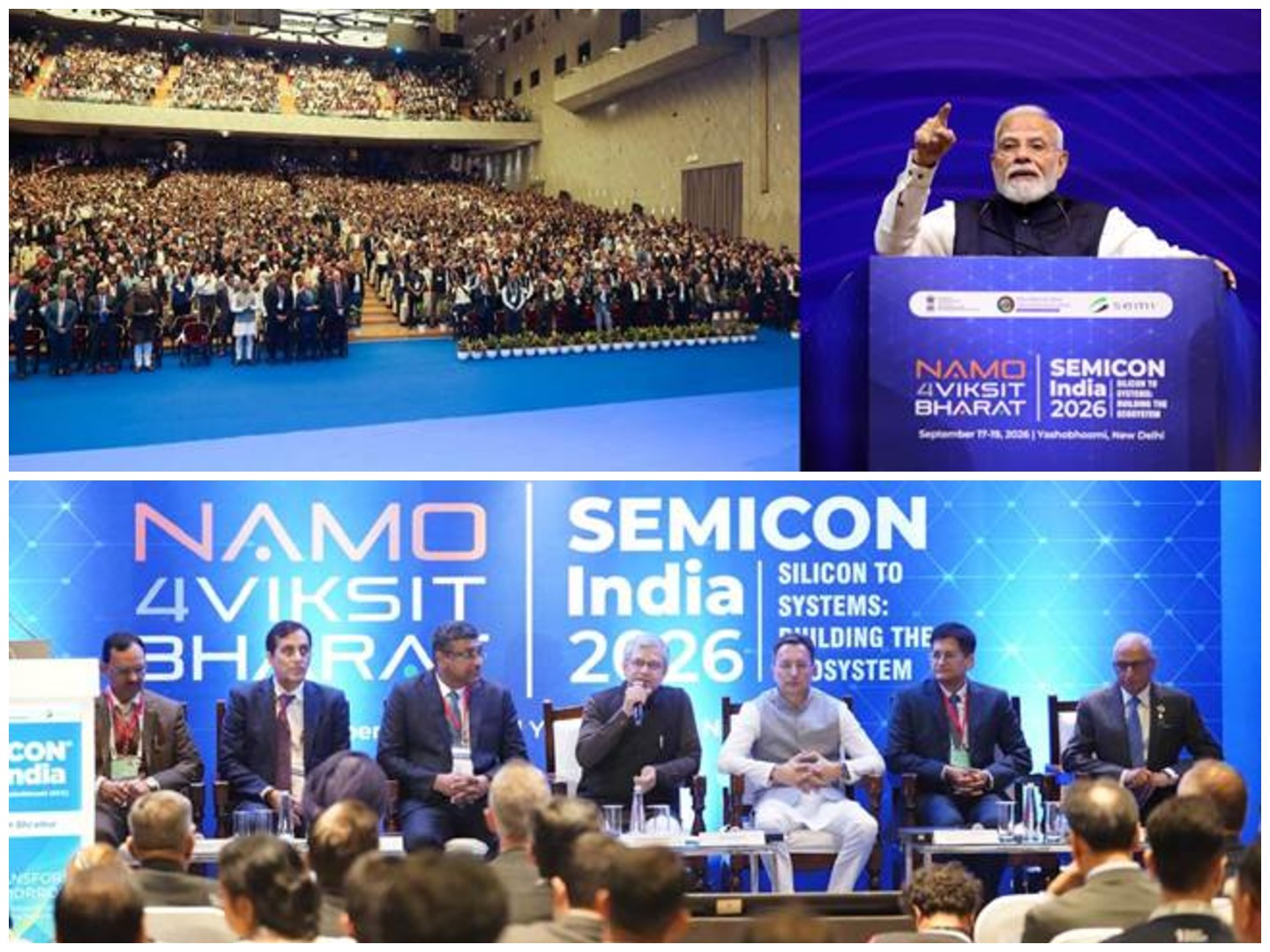
Semiconductors power everything from smartphones and laptops to electric vehicles and AI systems. With India investing heavily in semiconductor manufacturing and chip design, opportunities in this sector are expanding rapidly.
Very Large Scale Integration (VLSI) engineering focuses on designing integrated circuits and microchips. Experts believe semiconductor engineering will become one of India’s most strategic and high-growth technology sectors over the coming decade.
Renewable Energy Engineering
The global transition toward clean energy is creating significant opportunities for engineers specializing in renewable technologies. Solar power, wind energy, energy storage systems, and green hydrogen are attracting massive investments worldwide.
Renewable energy engineers contribute to the design, development, and deployment of sustainable energy solutions, helping countries achieve climate goals while creating new economic opportunities.
Biotechnology and Biomedical Engineering
Advances in healthcare, genetic research, and medical technology are driving demand for biotechnology and biomedical engineering professionals. These disciplines combine engineering principles with biological sciences to develop innovative medical devices, diagnostic systems, and therapeutic solutions.
The healthcare sector’s continued expansion is expected to generate substantial opportunities for engineers in this field.
Skills Matter as Much as the Degree
Industry leaders emphasize that earning a degree alone is no longer sufficient. Students must complement their academic qualifications with practical skills, internships, industry certifications, and project experience.
Knowledge of programming languages, cloud platforms, AI tools, cybersecurity frameworks, and communication skills can significantly improve employability and career growth prospects.
The Future Belongs to Technology-Driven Engineers
As industries embrace digital transformation, engineers with expertise in AI, data science, cybersecurity, robotics, and semiconductor technologies will be at the forefront of innovation. For students planning their careers today, selecting a future-oriented specialization could open doors to exciting opportunities in a rapidly changing global economy.
The engineers of tomorrow will not merely build machines and structures; they will design intelligent systems, secure digital ecosystems, power sustainable growth, and shape the future of humanity itself.