IICA launches second batch of Arbitration programme to build India’s next generation of ADR professionals
The IICA Certified Arbitration Program aims to create a pool of globally benchmarked arbitration professionals capable of handling complex commercial disputes while promoting institutional arbitration in India.
Organised virtually by the Centre of Excellence in Alternative Dispute Resolution (CEADR), the programme is part of IICA's broader vision to build institutional capacity and legal infrastructure in support of the Viksit Bharat@2047 mission.

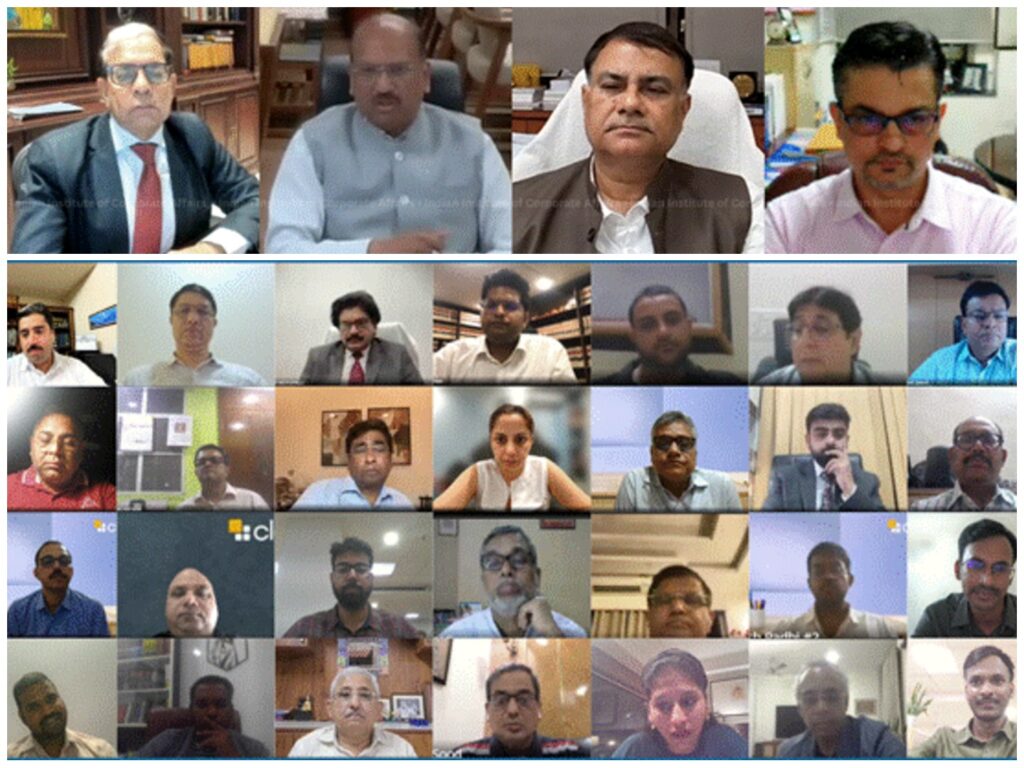
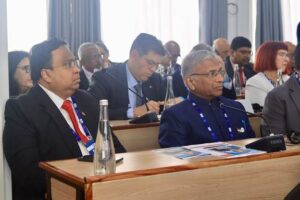
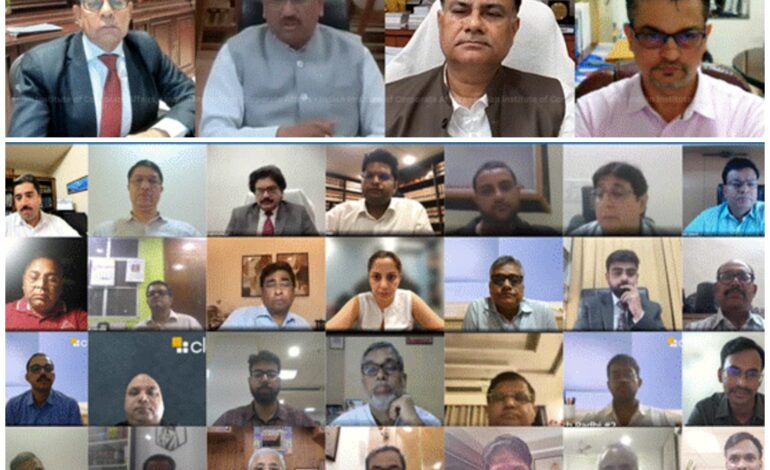
New Delhi: The Indian Institute of Corporate Affairs (IICA), under the Ministry of Corporate Affairs, has inaugurated the second batch of its flagship IICA Certified Arbitration Program (ICAP), reinforcing India’s efforts to develop world-class arbitration professionals and strengthen the country’s alternative dispute resolution (ADR) ecosystem.
Organised virtually by the Centre of Excellence in Alternative Dispute Resolution (CEADR), the programme is part of IICA’s broader vision to build institutional capacity and legal infrastructure in support of the Viksit Bharat@2047 mission.
Building India’s Arbitration Ecosystem
The IICA Certified Arbitration Program aims to create a pool of globally benchmarked arbitration professionals capable of handling complex commercial disputes while promoting institutional arbitration in India.
Addressing the inaugural session, Gyaneshwar Kumar Singh, Director General and CEO of IICA, underscored the growing importance of institutional arbitration in ensuring efficient, transparent and credible dispute resolution.
He highlighted the need to strengthen:
- Enforceability of arbitral awards
- Fairness and integrity of arbitration proceedings
- Professional code of conduct
- Sector-specific expertise among arbitrators
He reaffirmed IICA’s commitment to building a robust ADR ecosystem through specialised education, customised training, policy research, stakeholder awareness and the creation of comprehensive databases of arbitration professionals and arbitral awards.
‘A Game-Changer’ for Arbitration
Delivering the special address, Dr Rajiv Mani, Secretary, Legislative Department, Ministry of Law and Justice, described the IICA Certified Arbitration Program as “a big game-changer” in India’s arbitration landscape.
He said the Government is actively working to position India as a global arbitration hub through legislative reforms and institutional strengthening.
Dr Mani also referred to ongoing efforts to further strengthen the Arbitration and Conciliation Act, 1996, and indicated that the Government is working towards establishing the Arbitration Council of India, which is expected to further institutionalise arbitration practices in the country.
He stressed that an efficient dispute resolution mechanism and effective enforcement of arbitral awards are essential to enhancing investor confidence in India’s rapidly growing economy.
Justice A.K. Sikri Highlights Arbitration’s Growing Importance
Delivering the keynote address, Justice AK Sikri, former Judge of the Supreme Court of India, praised IICA’s efforts in strengthening India’s arbitration ecosystem.
Describing the Certified Arbitration Program as “a very commendable step,” Justice Sikri observed that arbitration has become indispensable for modern commercial economies.
“No judiciary in the world, however brilliant, can resolve disputes in a modern commercial economy through litigation alone,” he remarked.
He noted that virtual and hybrid arbitration hearings, which gained momentum during the pandemic, have now become a permanent feature of arbitration practice globally.
Calling arbitration “a load-bearing wall of commercial dispute resolution,” Justice Sikri said it is no longer merely an alternative mechanism but a structural necessity for advanced economies.
Experienced Multidisciplinary Cohort
Prof. (Dr) Naveen Sirohi, Programme Director and Head of CEADR, highlighted the diversity of the second batch.
The programme has enrolled 81 delegates from law, finance, engineering, corporate and public sector backgrounds, with participants bringing an average of over 20 years of professional experience.
According to Prof. Sirohi, the multidisciplinary composition of the cohort will contribute significantly to strengthening India’s arbitration ecosystem.
Enhanced Curriculum
Building upon feedback from its inaugural batch, the second edition of ICAP has been substantially upgraded.
The nine-month programme now offers:
- More than 250 hours of practical and academic learning
- Over 20 specialised modules
- Sessions delivered by global arbitration experts
- Two on-campus immersion programmes
- Intensive workshops on arbitral award writing
The enhanced curriculum is designed to equip participants with practical skills and internationally benchmarked expertise in commercial arbitration.
As India aspires to become a global business and investment destination, efficient dispute resolution has become a critical pillar of economic competitiveness. Through the IICA Certified Arbitration Program, the Government is investing in the development of high-quality arbitration professionals capable of handling increasingly complex domestic and international commercial disputes. The initiative aligns with broader judicial reforms aimed at reducing litigation, improving ease of doing business and positioning India as a preferred global arbitration destination.