Government, Industry Join Hands to Revamp AI Curriculum Across Higher Education Institutions
Ashwini Vaishnaw chairs high-level meeting on AI education reforms with focus on practical learning, faculty development and shared infrastructure
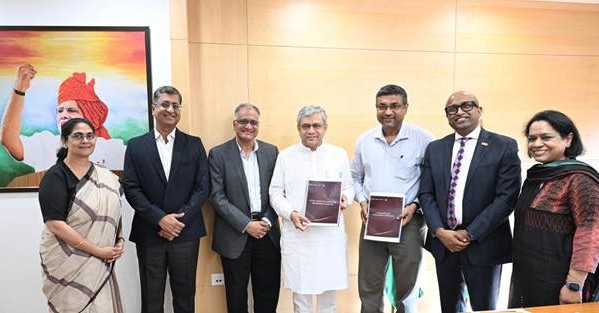
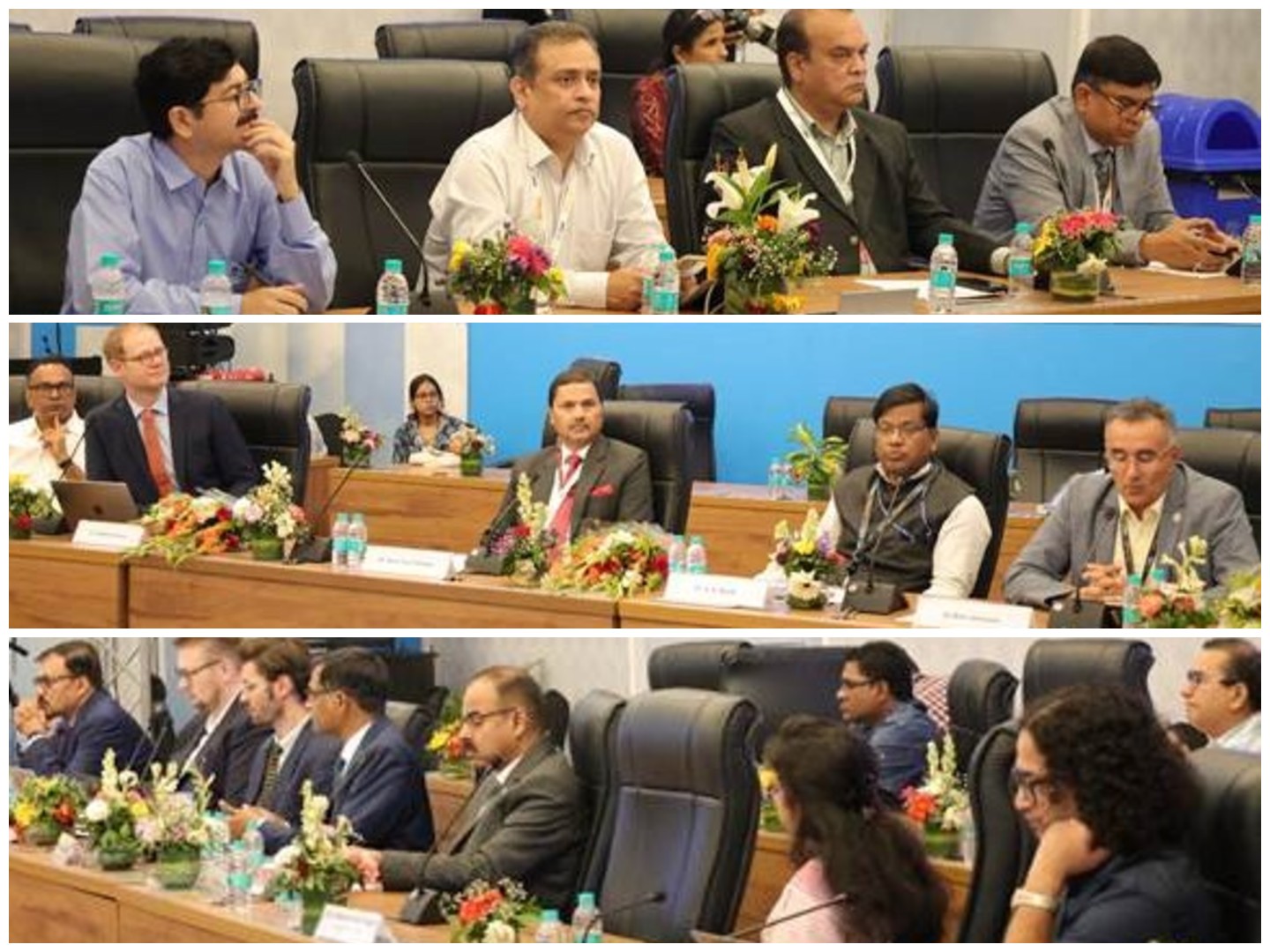
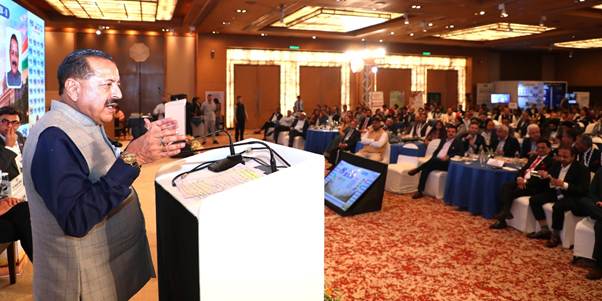
Union Minister for Electronics and IT Ashwini Vaishnaw chaired a high-level meeting of the AI Curriculum Taskforce in New Delhi on Thursday to review recommendations for restructuring AI education across engineering and allied disciplines.

New Delhi: The Government of India is working with industry stakeholders on a comprehensive revamp of the Artificial Intelligence curriculum in higher education institutions to better align learning outcomes with emerging technological and industry requirements.
Union Minister for Electronics and IT Ashwini Vaishnaw chaired a high-level meeting of the AI Curriculum Taskforce in New Delhi on Thursday to review recommendations for restructuring AI education across engineering and allied disciplines.
The taskforce, working in collaboration with industry experts and the National Association of Software and Service Companies (NASSCOM), conducted a baseline study of existing B.Tech Computer Science and related curricula across Indian institutions.
While the review found that AI-related subjects have expanded significantly in Indian higher education, it also identified major gaps in practical exposure, pedagogy and infrastructure, particularly in areas such as Generative AI, Machine Learning Operations (MLOps) and foundational AI model development.
The proposed reforms focus on transitioning from lecture-driven teaching models towards application-oriented and industry-integrated learning from the first semester itself. The recommendations include embedding AI courses within the formal academic credit framework through a structured semester-wise rollout.
The taskforce also recommended significantly increasing practical exposure for students from the current 25–30 percent levels to between 40 and 75 percent depending on specialisation and programme structure.
Under the proposed framework, students would gain industry exposure through capstone projects, end-to-end AI solution engineering and hands-on use of low-code and no-code AI tools.
Another major recommendation involves integrating Responsible AI and AI Governance principles throughout the academic programme rather than treating them as standalone subjects.
The roadmap also proposes flexible academic pathways with multiple entry and exit options, including certificate, diploma and advanced diploma qualifications at different stages of study.
The consultation placed strong emphasis on faculty development and recommended large-scale Train-the-Trainer programmes, curated learning content, standardised assessment systems and modernised AI laboratories aligned with current industry technologies.
The participants also proposed involving experienced industry professionals as adjunct faculty members, similar to models adopted by leading business schools, to strengthen practical industry exposure within classrooms.
To address infrastructure gaps, the taskforce proposed the creation of a national-level shared AI infrastructure jointly supported by industry, government and academic institutions. The model aims to provide equitable access to GPU computing resources, edge devices, software platforms and AI development tools across colleges and universities.
The meeting concluded with consensus on four immediate priorities, including estimation of national infrastructure and compute requirements, engagement with AICTE for formal curriculum adoption, faculty development initiatives and a parallel AI literacy track for non-STEM disciplines.
Officials said the reforms are aimed at creating a future-ready AI talent ecosystem capable of supporting India’s growing ambitions in artificial intelligence, digital innovation and emerging technologies.