CTIL, FICCI Hold Conference on India-Europe Trade Partnerships Under Next-Generation FTAs
Experts discuss market access, regulatory standards and carbon trade challenges in India’s evolving trade engagement with Europe
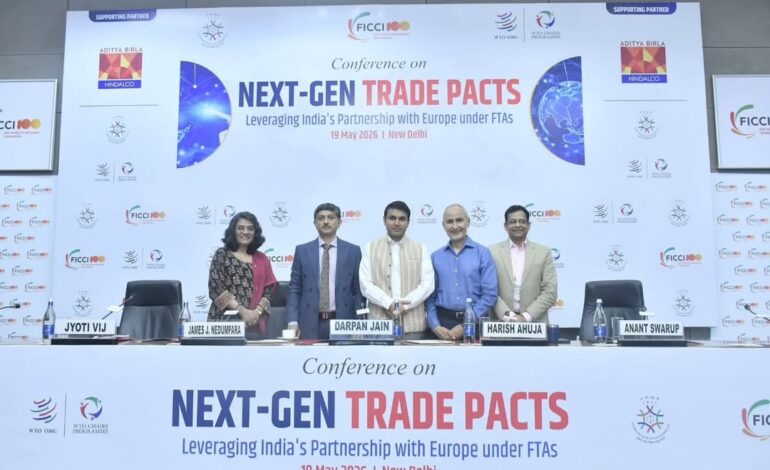
The discussions explored issues related to sanitary and phytosanitary standards, technical barriers to trade, expansion of India’s services presence in Europe and emerging carbon-related trade measures.

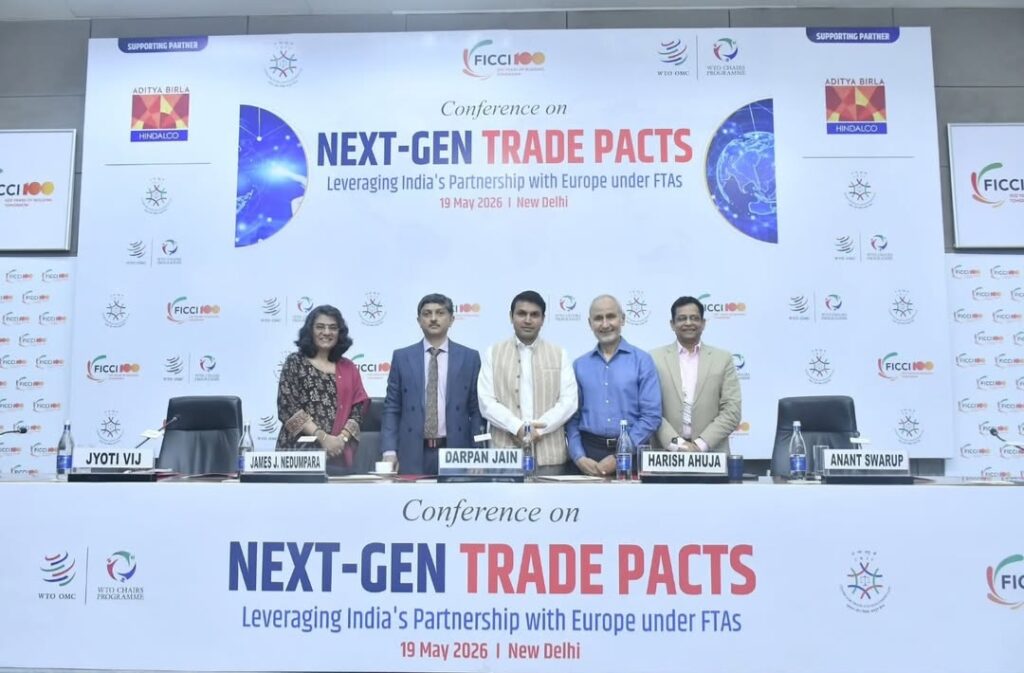
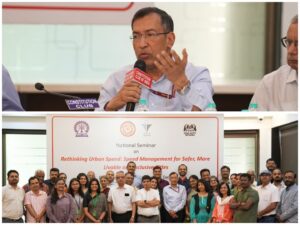
New Delhi: The Centre for Trade and Investment Law and Federation of Indian Chambers of Commerce and Industry jointly organised a conference on “Next-Gen Trade Pacts: Leveraging India’s Partnership with Europe under FTAs” to deliberate on India’s evolving trade engagement with Europe through emerging free trade agreements.
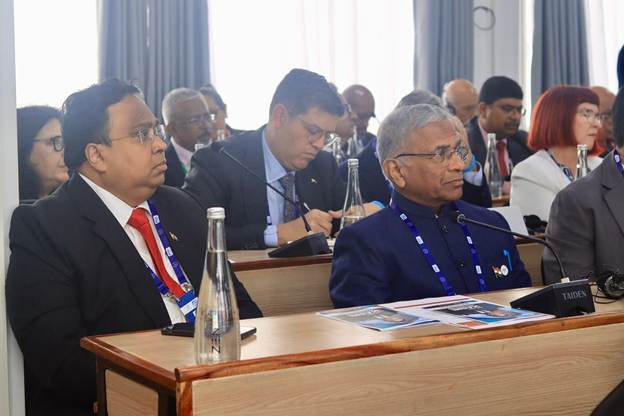
The conference, held at FICCI Federation House in New Delhi on May 19, brought together policymakers, industry representatives, trade experts, legal professionals and academicians to discuss opportunities and challenges arising from India’s expanding trade partnerships with European countries.
Secretary General, FICCI, Anant Swarup, while addressing the inaugural session, highlighted the growing importance of India’s trade relations with Europe and the need to strengthen India’s preparedness for next-generation trade frameworks.
Harish Ahuja, Chair, FICCI Foreign Trade and Trade Facilitation Committee, stressed the importance of building stronger standards infrastructure, testing and certification systems, digital compliance tools and institutional mechanisms to effectively tackle non-tariff barriers in European markets.
James J. Nedumpara, Professor and Head, Centre for Trade and Investment Law (CTIL), and India Chair, WTO Chairs Programme, delivered the context-setting address and noted that next-generation trade agreements extend far beyond tariff liberalisation and increasingly shape broader frameworks of economic cooperation, regulatory alignment and international trade governance.
Delivering the keynote address, Additional Secretary, Department of Commerce and Industry, Darpan Jain described the conclusion of India-European Union Free Trade Agreement negotiations as a major milestone in India’s economic diplomacy.
He said the agreement would provide preferential tariff treatment to 99.5 per cent of Indian exports and help strengthen India’s integration into European value chains while improving market access across goods and services sectors.
Darpan Jain also noted that the agreement would help reduce non-tariff trade barriers and support India’s export competitiveness in European markets.
Director General, FICCI, Jyoti Vij emphasised the importance of industry awareness, enterprise preparedness and capacity-building initiatives to ensure effective utilisation of trade agreements.
The conference featured four thematic sessions focusing on:
- opportunities emerging from India’s trade agreements with Europe
- standards and regulatory compliance
- services trade and digital economy engagement
- implications of the Carbon Border Adjustment Mechanism (CBAM) for Indian industry
The discussions explored issues related to sanitary and phytosanitary standards, technical barriers to trade, expansion of India’s services presence in Europe and emerging carbon-related trade measures.
Experts from CTIL also made presentations on India’s FTAs with the UK, European Union and European Free Trade Association (EFTA), along with evolving challenges linked to CBAM regulations and trade remedies.