Over 3.36 lakh museum artefacts digitized using AI, virtual technologies: Government
The Ministry of Culture is expanding the digital preservation of India's cultural heritage through AI-powered museum experiences, online repositories, manuscript digitisation and virtual access to millions of artefacts across museums
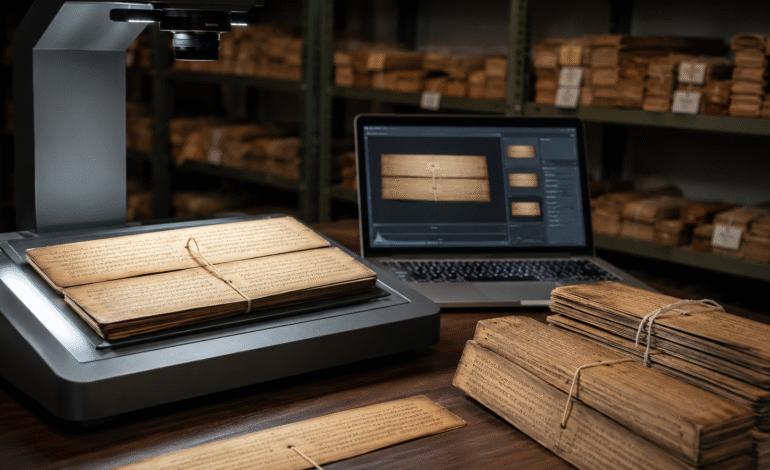
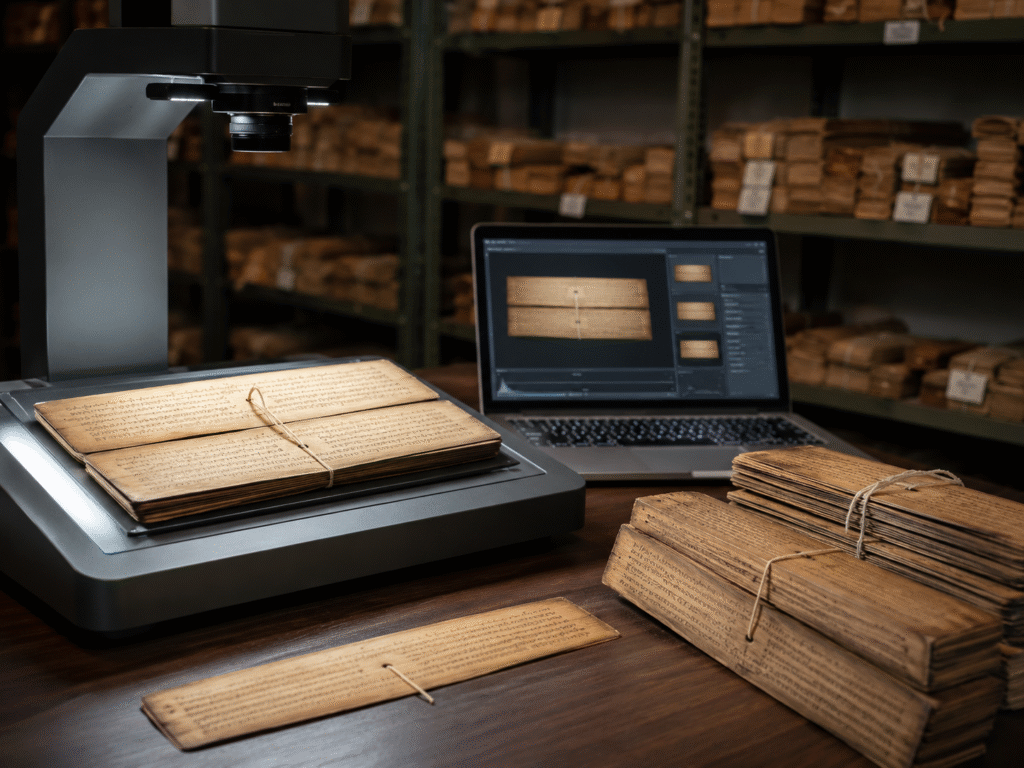
Under the Gyan Bharatam Mission, more than 3.5 lakh digitised manuscripts have been made publicly accessible, helping preserve India's vast manuscript heritage and knowledge traditions for future generations.

NEW DELHI: The Government of India is significantly expanding the digital transformation of museums and cultural institutions, leveraging artificial intelligence (AI), augmented reality (AR), virtual reality (VR), digital archiving and online repositories to preserve India’s rich cultural heritage while making it more accessible to researchers, students and the general public, according to the Union Ministry of Culture.
The ministry has launched a series of initiatives aimed at digitising museum collections, manuscripts, archival records and cultural artefacts through advanced digital technologies, said Union Minister for Culture and Tourism Gajendra Singh Shekhawat in a written reply in the Lok Sabha on Monday.
“These efforts are intended not only to preserve invaluable historical assets but also to improve public access and create immersive visitor experiences across museums nationwide,” he said.
At the heart of the digitisation programme is the JATAN software developed by C-DAC, Pune, which is being used for the digital management of museum collections and archival resources. The Ministry has also established a national digital repository through the Museums of India portal, providing online access to digitised collections from eight national-level museums, two Archaeological Survey of India (ASI) site museums and the Dr Babasaheb Ambedkar Museum.
According to the ministry, more than 3.36 lakh digitised artefacts are already available online out of nearly 4.79 lakh museum objects documented under the programme, representing over 70 percent of the collections covered so far. Museums such as the National Gallery of Modern Art (Mumbai and Bengaluru), Victoria Memorial Hall, and Hyderabad’s Salar Jung Museum have achieved exceptionally high levels of digitisation.
The government’s digital heritage mission extends well beyond museums, the minister stated.
Under the Gyan Bharatam Mission, more than 3.5 lakh digitised manuscripts have been made publicly accessible, helping preserve India’s vast manuscript heritage and knowledge traditions for future generations. Simultaneously, the National Archives of India has continued digitising historical records and making them available through its Abhilekh Patal portal for scholars, researchers and citizens.
The Indira Gandhi National Centre for the Arts (IGNCA) has also built comprehensive digital archives covering manuscripts, rare books, photographs, audiovisual material, cultural documentation, art objects and archival collections, contributing significantly to long-term preservation and wider dissemination of India’s cultural resources.
Technology is also reshaping the museum experience itself.
The National Council of Science Museums (NCSM), which manages 26 science museums and centres across the country, has integrated advanced technologies such as AI, augmented reality, virtual reality, computer vision, motion tracking, eye-tracking and sensor-based interactive systems into museum exhibits. These innovations are designed to create personalised, immersive and highly interactive learning environments for visitors of all ages.
The Indian Museum in Kolkata has partnered with IIT Kharagpur to use AI for the restoration of archaeological artefacts, enabling improved conservation and digital preservation of heritage objects. The museum has also collaborated with Google Arts & Culture to create virtual exhibitions while introducing AI-powered interactive displays and AR-based visitor engagement tools to provide immersive gallery experiences.
The Archaeological Survey of India has expanded digital access through mobile applications developed for the archaeological museums at Hampi in Karnataka and Nalanda in Bihar. These applications offer virtual museum tours and digital access to artefacts displayed in the museums, enabling visitors to explore collections remotely.
The Ministry has also undertaken extensive digital documentation of monuments and antiquities through the National Mission on Monuments and Antiquities. According to the Ministry, 723 antiquities from the ASI Museum in Goa and 8,450 antiquities from the ASI Museum at Nagarjunakonda have been digitally documented and uploaded using the JATAN platform.
Beyond preservation, the Ministry is integrating digital technologies into educational outreach. The Centre for Cultural Resources and Training (CCRT) regularly organises educational programmes, museum visits and heritage awareness initiatives for teachers and students in collaboration with museums and cultural institutions across the country.
The government’s broader digital strategy includes digitisation of manuscripts, photographs and archival collections, online access to selected publications, digital documentation of tangible and intangible cultural heritage, and greater use of multimedia and interactive technologies during exhibitions, conferences and public outreach programmes.
Officials believe these initiatives have substantially enhanced accessibility to India’s cultural resources while ensuring long-term preservation of the nation’s historical and civilisational legacy through modern digital technologies.