ISRO launches NVS-03 to strengthen NavIC’s coverage and reliability
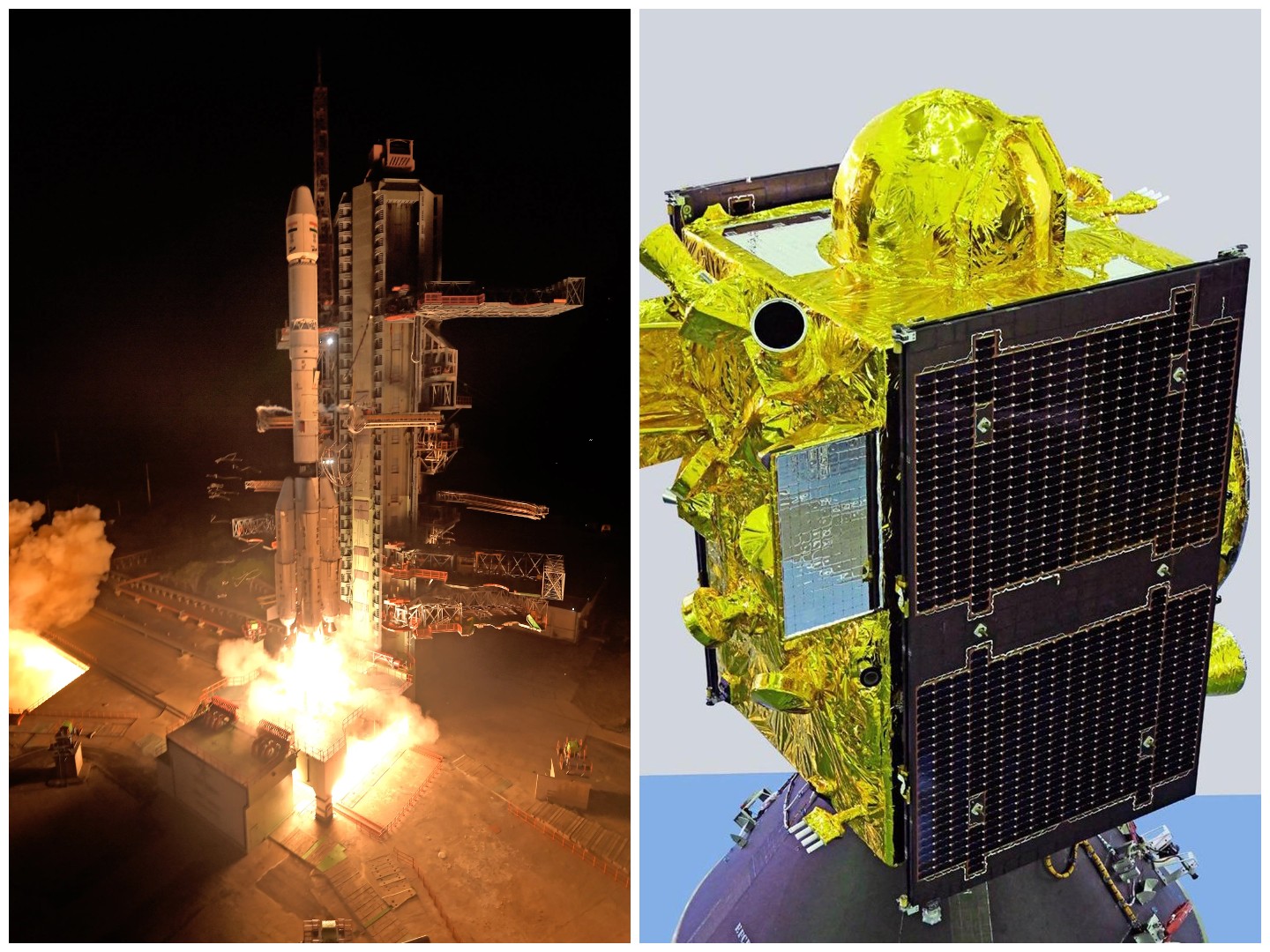
ISRO’s GSLV-F18 has placed the 2,250-kg NVS-03 satellite into geosynchronous transfer orbit. The satellite carries L1, L5 and S-band navigation payloads to strengthen NavIC’s coverage and reliability.
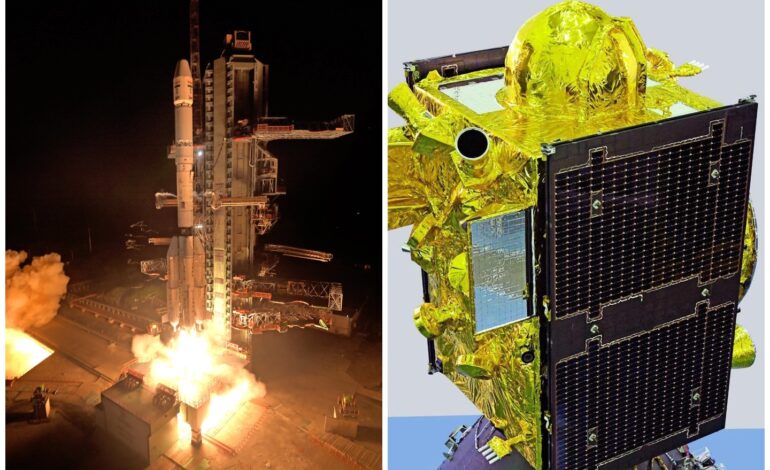
NVS-03 is part of a five-satellite second-generation series, comprising NVS-01 to NVS-05, designed to augment the existing NavIC constellation and improve the coverage, accuracy, reliability and continuity of navigation services.

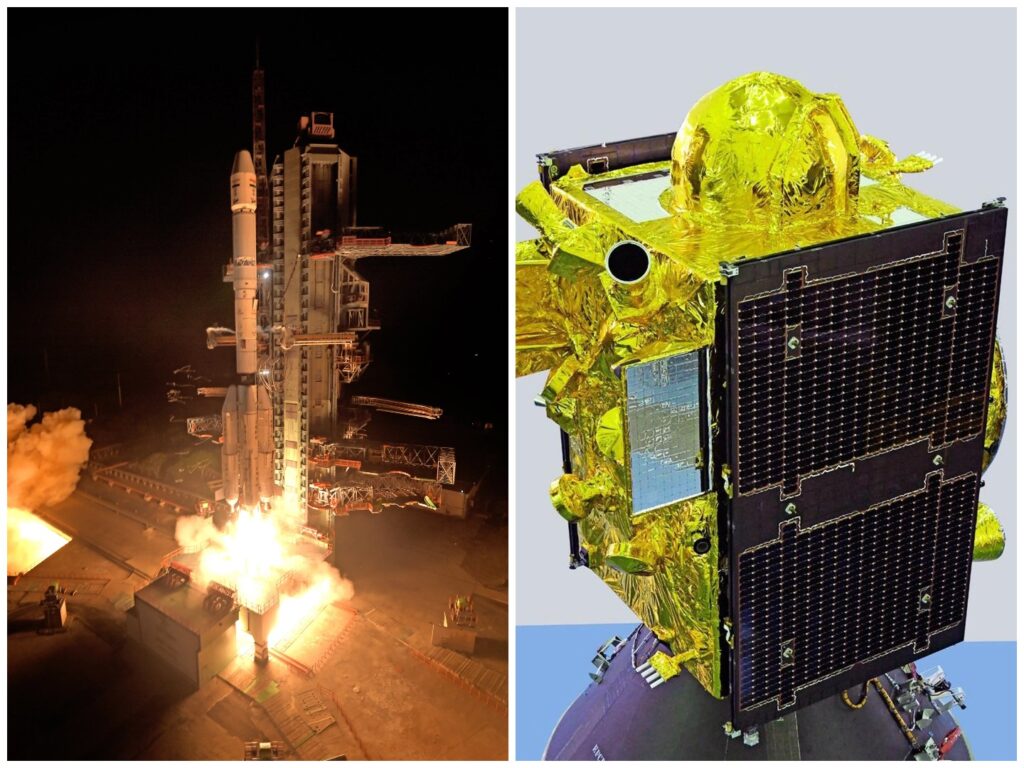
SRIHARIKOTA: The Indian Space Research Organisation (ISRO) has successfully launched NVS-03, the third satellite in its next-generation navigation satellite series, aboard the GSLV-F18 launch vehicle, advancing efforts to strengthen India’s indigenous satellite navigation system, NavIC.
The mission was accomplished at 11.51 pm on October 30 from the Satish Dhawan Space Centre, Sriharikota. GSLV-F18 injected the approximately 2,250-kg satellite into a Geosynchronous Transfer Orbit (GTO). The first orbit-raising manoeuvre was completed at 4.48 pm on October 31, with further manoeuvres planned to position the spacecraft in its designated geosynchronous orbital slot at 111.75 degrees East.
The launch marks the 20th flight of India’s Geosynchronous Satellite Launch Vehicle and another step in expanding the country’s independent Positioning, Navigation and Timing (PNT) capabilities.
NVS-03 is part of a five-satellite second-generation series, comprising NVS-01 to NVS-05, designed to augment the existing NavIC constellation and improve the coverage, accuracy, reliability and continuity of navigation services.
New L1 signal expands NavIC capabilities
A key feature of NVS-03 is its navigation payload operating across the L1, L5 and S frequency bands. The addition of the L1 signal alongside the L5 and S bands enhances NavIC’s capabilities and compatibility with other satellite navigation systems.
The expanded signal capability is intended to support navigation services across India’s landmass and a region extending approximately 1,500 km beyond its geopolitical boundary. Multiple frequency bands also provide receiver manufacturers with greater flexibility to develop devices suited to different applications and operating conditions.
The satellite carries an indigenously developed atomic clock alongside procured atomic clocks. These provide highly precise time references for generating navigation signals, enabling receivers to calculate positions using the time taken by signals to travel from satellites.
Supporting critical applications
NavIC provides Positioning, Navigation and Timing services for civilian and authorised strategic users. Its Standard Positioning Service is open to civilian applications and is interoperable with signals from global navigation satellite systems such as GPS, GLONASS, Galileo and BeiDou. Its Restricted Service is encrypted and available exclusively to strategic users.
The system supports applications in road and maritime transportation, aviation, precision agriculture, disaster management, telecommunications and strategic operations.
NavIC was originally designed around a seven-satellite constellation supported by a network of ground stations operating round the clock. Its architecture comprises three satellites in geostationary orbit and four in inclined geosynchronous orbit. The NVS series is intended to augment this constellation and ensure continuity of indigenous navigation services.
Indigenous launch capability
GSLV-F18 stands approximately 50 metres tall and has a lift-off mass of around 420 tonnes. Its three-stage configuration includes an indigenous cryogenic upper stage, which uses liquid hydrogen as fuel and liquid oxygen as oxidiser.
The development and operational use of the indigenous cryogenic stage have strengthened India’s capability to launch satellites into geosynchronous transfer orbits without relying on foreign-supplied upper-stage technology.
With NVS-01, NVS-02 and NVS-03 launched, ISRO is working towards completing the five-satellite second-generation series. NVS-04 and NVS-05 are the remaining satellites in the programme.
The deployment of the next-generation satellites is expected to strengthen the continuity and availability of NavIC services, reducing dependence on foreign navigation systems for applications that require reliable and independent positioning and timing infrastructure.