NITI Aayog Launches Fourth Edition of ‘Trade Watch Quarterly’
New Delhi, October 7: NITI Aayog on Monday released the fourth edition of Trade Watch Quarterly, providing an in-depth review of India’s trade performance for Q4 FY 2024-25 (January–March 2025).

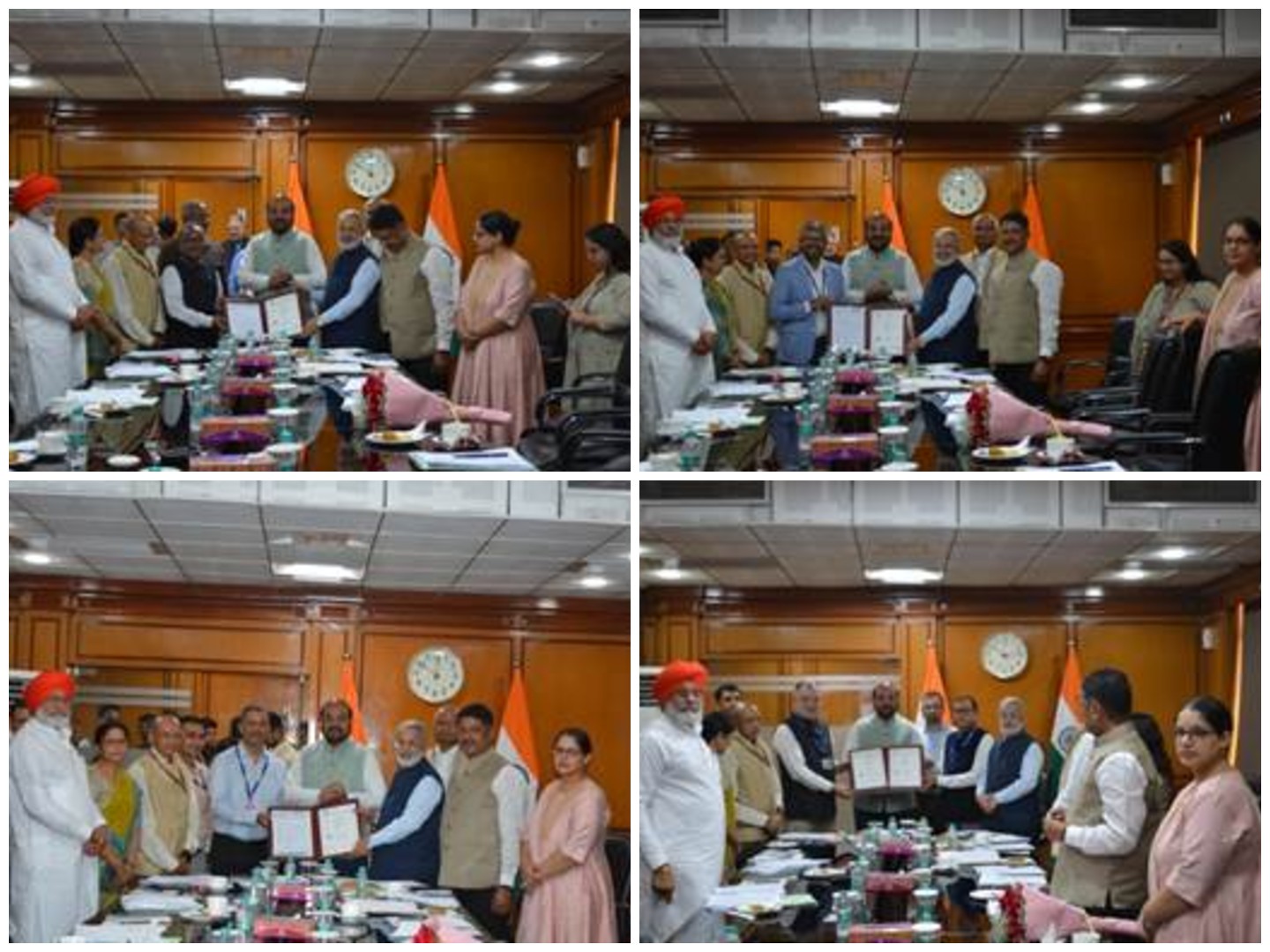
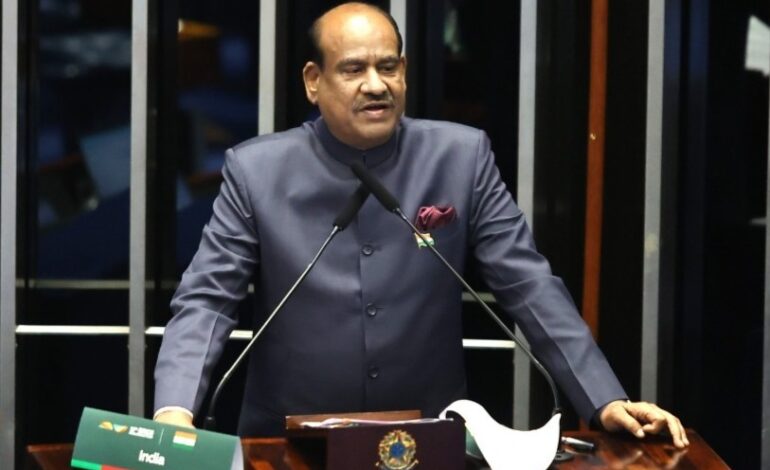
BVR Subrahmanyam, CEO of NITI Aayog, releases the fourth edition of “Trade Watch Quarterly” for Q4 of FY 2024–25 (January–March) in New Delhi on Monday.

New Delhi, October 7: NITI Aayog on Monday released the fourth edition of Trade Watch Quarterly, providing an in-depth review of India’s trade performance for Q4 FY 2024-25 (January–March 2025). The report, launched by BVR Subrahmanyam, CEO, NITI Aayog, offers detailed insights into merchandise and services trade, shifting global demand, and strategies for export diversification.
“The latest edition captures trends in India’s trade and underscores the need to diversify into high-demand global markets,” said Subrahmanyam at the launch event in New Delhi.
India’s Trade Holds Steady in Q4 FY25
According to the report, India’s total trade during the quarter stood at US $441 billion, up 2.2 percent year-on-year, reflecting resilience amid a volatile global environment. Merchandise exports saw a mild contraction, largely due to lower shipments of mineral fuels and organic chemicals, while electrical machinery, pharmaceuticals, and cereals recorded strong growth.
Imports rose slightly, driven by increased demand for nuclear reactors, electrical machinery, and inorganic chemicals. Region-wise, North America emerged as India’s fastest-growing export market, expanding 25 percent and accounting for a quarter of total exports. Exports to the EU, GCC, and ASEAN moderated during the period. On the import side, the UAE overtook Russia as India’s second-largest supplier—boosted by gold inflows under CEPA—while imports from China climbed on strong electronics demand.
Sector Spotlight: Leather and Footwear
A special feature in the report focuses on India’s leather and footwear industry, which employs around 4.4 million people and is a major export earner. Despite competitiveness in processed leather and niche apparel, India’s share in the US $296 billion global footwear market remains modest at 1.8 percent.
With worldwide demand shifting toward non-leather and sustainable products, the report highlights the need for stronger MSME support, greater R&D investment, and integration into green and design-driven value chains. These steps, it says, will help India capture emerging opportunities in eco-friendly and high-value footwear segments.
Policy Direction and Future Outlook
Subrahmanyam commended the Trade Watch team for its comprehensive analysis, noting that services exports, aerospace, and high-value manufacturing are anchoring India’s external sector resilience. He urged industry and policymakers to adapt quickly to changing global demand, diversify the export base, and enhance competitiveness in non-leather footwear and advanced manufacturing.
“India must stay alert to geopolitical shifts and position itself strategically in evolving value chains,” he added.
The publication, which forms part of NITI Aayog’s ongoing effort to provide data-driven insights on trade and industry performance, is available at niti.gov.in.