IICDEM 2026 Concludes with Adoption of Delhi Declaration on Electoral Integrity and Technology
New Delhi: The Election Commission of India on Friday concluded the three-day India International Conference on Democracy and Election Management (IICDEM) 2026 with the unanimous adoption of the Delhi Declaration
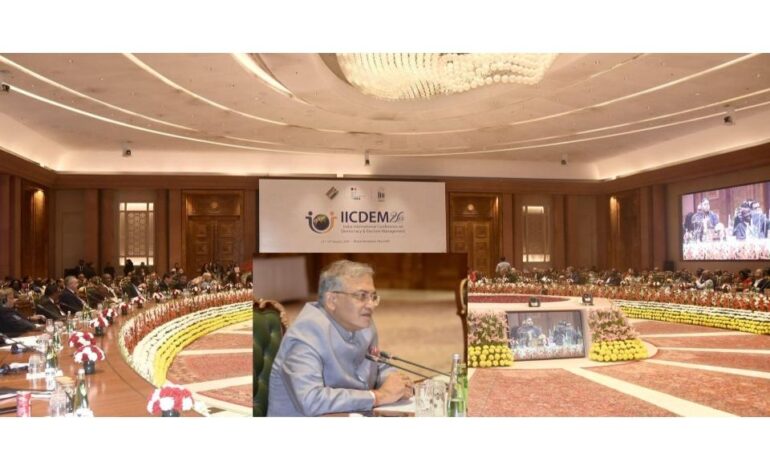
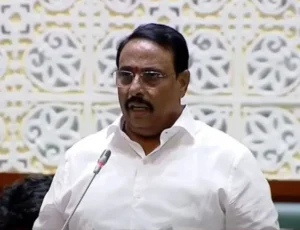
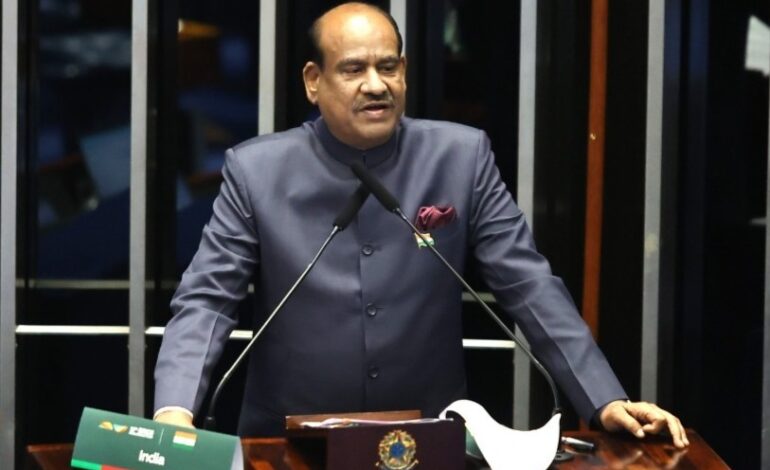
Chief Election Commissioner Gyanesh Kumar addresses the closing session of India International Conference on Democracy & Election Management (IICDEM-2026) held at Bharat Mandapam, New Delhi, on Friday, January 23, 2026.

New Delhi: The Election Commission of India on Friday concluded the three-day India International Conference on Democracy and Election Management (IICDEM) 2026 with the unanimous adoption of the Delhi Declaration 2026, outlining a shared global roadmap for strengthening democratic and electoral processes.
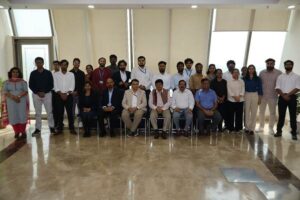
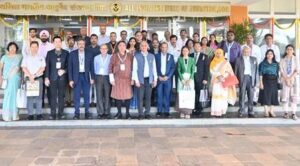
The conference, held at Bharat Mandapam here, brought together heads and senior officials of 42 election management bodies (EMBs), experts from over 70 national institutions, and senior election officials from across Indian states and Union territories.
Five Pillars of the Delhi Declaration
At the closing session, Chief Election Commissioner Gyanesh Kumar read out the Delhi Declaration, which was adopted unanimously by participating EMBs. The declaration commits election authorities to cooperation across five key pillars:
- purity of electoral rolls,
- conduct of elections,
- research and publications,
- use of technology, and
- training and capacity building.
Under the declaration, EMBs resolved to work collaboratively to improve transparency, efficiency and professionalism in electoral processes, while ensuring that technology supports public trust rather than replacing human oversight.
Global Cooperation and Knowledge Sharing
As part of the agreed framework, participating EMBs committed to the co-creation of an Encyclopaedia of Democracies of the World, comprising an atlas and detailed reports on electoral systems across countries. The effort will include seven thematic reports led by International IDEA and 36 theme-based studies coordinated by the India International Institute of Democracy and Election Management (IIIDEM).
The declaration also provides for co-development of digital platforms inspired by ECINET, India’s unified electoral digital platform, as well as expanded training and exchange programmes through IIIDEM to enhance professional standards in election administration globally.
Leadership Perspectives
In his keynote address, Gyanesh Kumar said the conference had sparked substantive discussions on evolving international electoral standards and noted that more than 40 bilateral meetings held during IICDEM had strengthened mutual understanding and cooperation among EMBs.
Election commissioner Sukhbir Singh Sandhu said the conference reflected the global electoral community’s maturity, openness and willingness to learn from one another. Election Commissioner Vivek Joshi highlighted the launch of ECINET during the conference as a demonstration of India’s measured and law-bound approach to adopting technology in election management.
Conference Highlights
IICDEM 2026, described as the first and largest conference of its kind, was inaugurated with a grand reception attended by nearly 1,000 participants, including international delegates from 42 EMBs and heads of missions from 27 countries. The conference featured leaders’ plenary sessions, thematic group discussions and expert deliberations on global best practices, electoral innovation and democratic resilience.
Participants agreed to periodically review progress on the Delhi Declaration’s commitments and proposed to reconvene in December 2026 at IIIDEM in New Delhi to assess implementation.
Officials said the adoption of the Delhi Declaration positions India as a convening platform for global dialogue on democracy and election management, reinforcing cooperation among election authorities at a time of increasing technological and institutional challenges to democratic processes.