IICA’s Meet the Legend programme examines PMLA–IBC interface
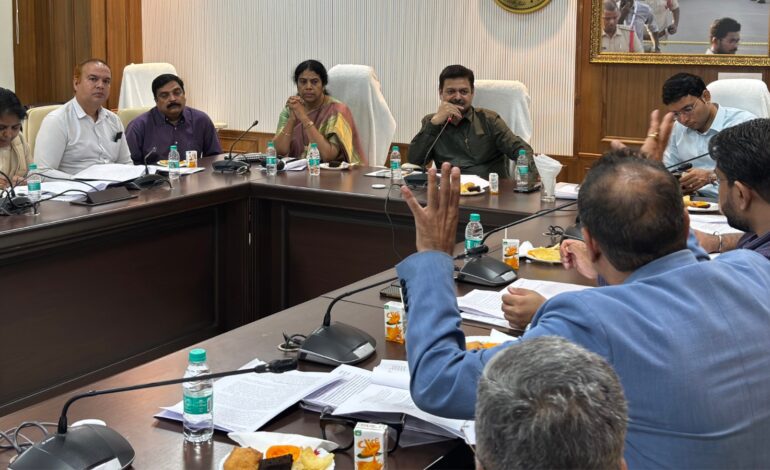
The session examined how insolvency proceedings interact with anti-money laundering enforcement, with focus on asset attachment, financial investigation, asset tracing and evolving judicial approaches.
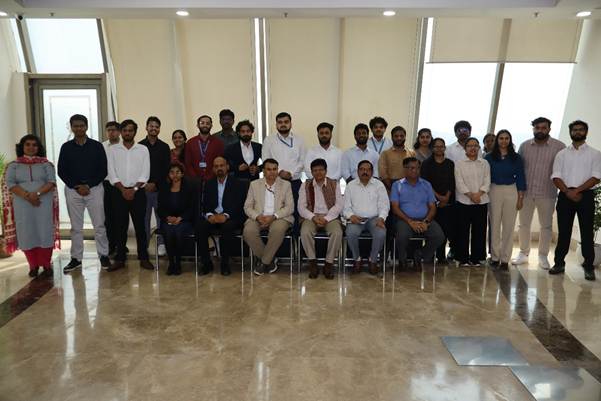
The session was delivered by Balesh Kumar, Member, Appellate Tribunal (PMLA, FEMA, PBPTA, NDPSA and SAFEMA), Government of India.

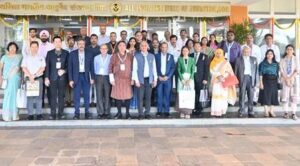
NEW DELHI: The Indian Institute of Corporate Affairs (IICA), Manesar, hosted a session on the “PMLA–IBC Interface: Emerging Bonhomie” under its ‘Meet the Legend’ programme, providing participants of the 8th Post Graduate Insolvency Programme (PGIP) with insights into the intersection of insolvency law and anti-money laundering enforcement.
The session was delivered by Balesh Kumar, Member, Appellate Tribunal (PMLA, FEMA, PBPTA, NDPSA and SAFEMA), Government of India.
Welcoming the dignitary, IICA Director General and CEO Gyaneshwar Kumar Singh highlighted the importance of strengthening the interface between the Insolvency and Bankruptcy Code (IBC), 2016 and the Prevention of Money Laundering Act (PMLA), 2002.
He particularly referred to Section 32A of the IBC, noting that while the provision has been precisely drafted, challenges remain in its harmonised implementation.
Understanding the money-laundering framework
Balesh Kumar provided an overview of the PMLA framework and explained the three broad stages of money laundering — placement, layering and integration.
He also discussed the relevance of hawala transactions in financial investigations and examined key provisions of the PMLA, including Sections 3, 4, 5, 8, 44 and 45.
The provisions were discussed in the context of their practical implications, with judicial precedents being used to illustrate how courts and tribunals have approached issues arising under the anti-money laundering framework.
When PMLA meets insolvency proceedings
A major focus of the session was the interface between PMLA enforcement and insolvency proceedings, particularly situations in which assets belonging to a corporate debtor undergoing insolvency resolution are attached under the anti-money laundering law.
The discussion examined the complexities that can arise when enforcement action under the PMLA intersects with the objectives and processes of the IBC.
The session also traced the evolving judicial approach towards reconciling the objectives of insolvency resolution with the requirements of anti-money laundering enforcement.
The discussion highlighted the importance of understanding how asset attachment, insolvency resolution and enforcement proceedings interact, particularly where the ownership, source or status of assets becomes subject to investigation.
Multidisciplinary understanding essential
The interaction emphasised that insolvency professionals dealing with complex corporate cases require an understanding extending beyond insolvency law alone.
Financial investigation, asset tracing, anti-money laundering enforcement and judicial developments increasingly form interconnected aspects of major insolvency proceedings.
The session provided PGIP participants with practical exposure to these intersections and demonstrated how developments in judicial interpretation can influence the application of the two legal frameworks.
IICA’s ‘Meet the Legend’ programme continues to provide PGIP participants opportunities to interact directly with experienced members of the judiciary, tribunals, regulators and the corporate ecosystem, offering perspectives on the practical application and evolution of laws governing India’s corporate and insolvency landscape.