IICA session examines how IBC is evolving with amendments and regulatory changes
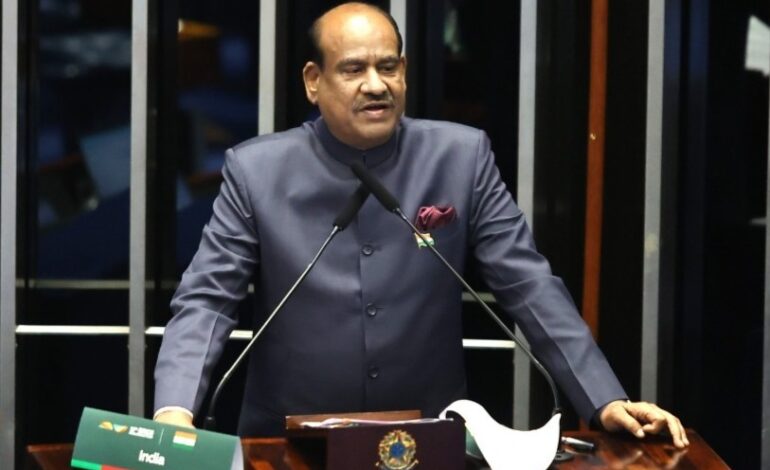
Former IBBI Chairperson M. S. Sahoo highlighted the need for insolvency regulations to respond to rapidly changing market realities, with subordinate legislation helping address emerging challenges.
A key observation from the session was that markets evolve much faster than litigation can keep pace with.

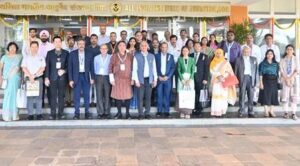
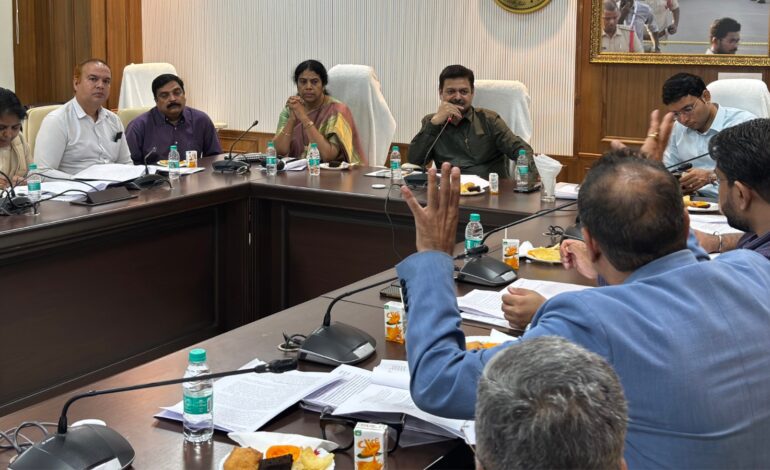
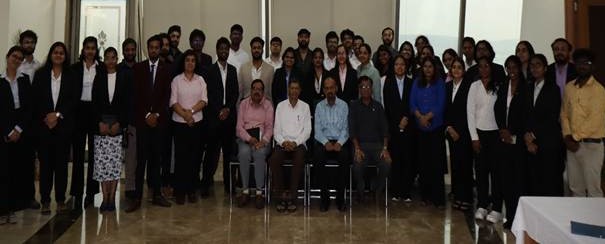
NEW DELHI: The Indian Institute of Corporate Affairs (IICA), Manesar, organised a session on “IBC as an Evolving Law Through the Amendments” under its “Meet the Legend” programme, bringing former Insolvency and Bankruptcy Board of India (IBBI) Chairperson Dr MS Sahoo together with participants to discuss the changing contours of insolvency law.
The session examined how the Insolvency and Bankruptcy Code (IBC) has evolved through successive amendments and regulatory developments, with particular attention to the need for economic laws to respond to changing market conditions.
IICA Director General and CEO Gyaneshwar Kumar Singh welcomed the participants and highlighted the value of learning directly from practitioners and thought leaders who have contributed to the development of India’s insolvency ecosystem.
Markets evolve faster than litigation
Dr Sahoo drew on his experience in the insolvency sector to explain the concept of experimentation in economic laws.
He emphasised that economic legislation cannot remain static because market conditions, business practices and emerging economic situations change continuously.
A key observation from the session was that markets evolve much faster than litigation can keep pace with. In this context, Dr Sahoo highlighted the role of subordinate legislation and regulatory mechanisms in enabling the insolvency framework to respond to emerging situations.
He explained that regulations can be framed both for implementing provisions of the IBC and for achieving the broader purposes and objectives of the Code.
This flexibility, he noted, enables the insolvency framework to respond more effectively to practical challenges without requiring every emerging issue to await changes in the parent legislation.
IBC as a dynamic economic law
The interaction presented the IBC not simply as a static statute but as an evolving economic law shaped by several forces, including market experience, judicial interpretation, regulatory interventions and legislative amendments.
For participants of the Post Graduate Insolvency Programme (PGIP), the session provided an opportunity to examine how these different elements interact in shaping the insolvency ecosystem.
The discussion also highlighted the relationship between primary legislation, subordinate legislation and changing market realities, and the importance of adapting the insolvency framework as new economic and legal challenges emerge.
The session formed part of IICA’s effort under the “Meet the Legend” programme to provide students and professionals with direct exposure to experienced practitioners and institutional leaders who have played a role in shaping India’s corporate and insolvency framework.