Earth Sciences Ministry frees 54815 sq ft space, generates ₹1.57 crore from scrap disposal under SCDPM 5.0
The Ministry of Earth Sciences conducted 20 cleanliness drives across 10 offices and institutes, while disposing of scrap worth ₹1.57 crore and closing 927 physical and e-files.
The ministry conducted 20 cleanliness drives across its 10 offices and institutes between December 2025 and August 2026, according to the Ministry of Earth Sciences.

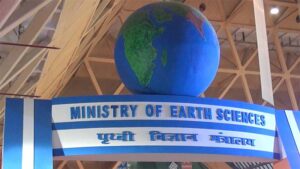
NEW DELHI: The Ministry of Earth Sciences (MoES) and its institutes have reported significant progress in the fifth edition of the Special Campaign for Disposal of Pending Matters (SCDPM 5.0), with initiatives focused on cleanliness, space optimisation, scrap disposal and faster grievance redressal.
The ministry conducted 20 cleanliness drives across its 10 offices and institutes between December 2025 and August 2026, according to the Ministry of Earth Sciences.
The campaign resulted in the freeing up of 54,815 sq ft of office space for productive use. Scrap and waste disposal activities also generated cumulative revenue of ₹1.57 crore for the exchequer.
As part of the documentation and administrative streamlining exercise, the ministry weeded out files and closed 750 physical files and 177 e-files, supporting the transition towards digital records.
Grievance redressal
The ministry also reported progress in addressing public grievances and references received from various authorities.
During the campaign, one Parliamentary Assurance, 17 references from the Prime Minister’s Office and 37 references from MPs, along with 304 public grievances, were addressed.
The ministry said all Inter-Ministerial Committee (IMC) references relating to Cabinet proposals and all Public Grievance Appeals were resolved, resulting in a 100% addressal rate for these categories.
The Ministry of Earth Sciences said it remains focused on institutionalising cleanliness and improving administrative efficiency across its offices and institutes under SCDPM 5.0.
The campaign also seeks to strengthen administrative transparency, optimise available resources and promote a clean, green and citizen-centric working environment.