Government strengthens framework to combat fake news and deepfakes across media platforms
Centre outlines safeguards against misinformation while reaffirming protection of creative freedom and free speech New Delhi, December 12: The Union government has expanded measures to counter the spread of fake
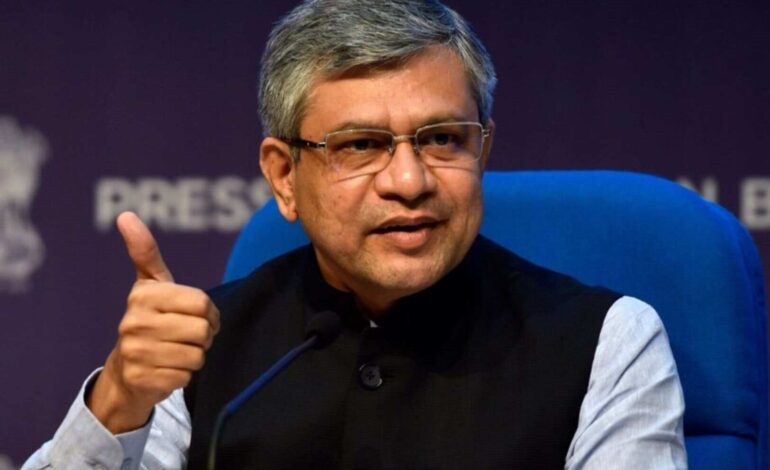
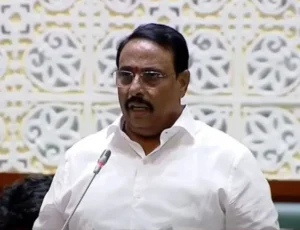
Union Minister for Information and Broadcasting Ashwini Vaishnaw

Centre outlines safeguards against misinformation while reaffirming protection of creative freedom and free speech
New Delhi, December 12: The Union government has expanded measures to counter the spread of fake news, misleading information and AI-generated deepfakes across media platforms, noting their potential to affect democratic processes and public order.
This was stated by Union Minister for Information and Broadcasting Ashwini Vaishnaw in the Rajya Sabha on Friday in response to questions asked by MP Mohammed Nadimul Haque.
While emphasising that free speech remains protected under Article 19(1) of the Constitution, the minister said a comprehensive statutory and institutional framework already exists to address harmful content in electronic, print and digital media.
For electronic media, TV channels are bound by the Programme Code under the Cable Television Networks (Regulation) Act, 1995, which prohibits content that is obscene, defamatory, deliberately false or misleading. A three-tier grievance redressal system — self-regulation by broadcasters, oversight by industry bodies, and a government mechanism — addresses violations through advisories, warnings, apology scrolls or temporary off-air directives.
In print media, the Press Council of India enforces the Norms of Journalistic Conduct, which restrict the publication of fake, defamatory or misleading material. The Council investigates complaints and can issue warnings, admonitions or censure after examining alleged breaches.
For digital media, the IT Rules 2021 lay down a Code of Ethics for publishers of news and current affairs. Platforms must prevent users from sharing misinformation or content that is patently false or misleading. The rules require each platform to appoint a grievance officer to address complaints within a specified timeframe and provide a three-tier redressal mechanism for adherence to the Code of Ethics. Under the IT Act, the government may issue directions under Section 69A to restrict access to content in the interest of national security, public order or to prevent incitement to cognisable offences.
The Press Information Bureau’s Fact Check Unit (FCU) continues to verify news related to the central government, cross-checking information with authorised departments and sharing verified updates on its official channels. The government said the FCU plays a key role in countering misinformation and strengthening public trust.
Vaishnaw said the government’s approach is to reinforce institutional safeguards while ensuring creative freedoms are protected, adding that addressing misinformation is essential for maintaining societal trust and safeguarding democratic processes.