NAMASTE Cards distributed to waste pickers in Delhi’s Najafgarh zone
More than 300 waste pickers received NAMASTE Cards at a New Delhi event, with Ayushman Cards also distributed as the government seeks to expand formal recognition, healthcare and social security
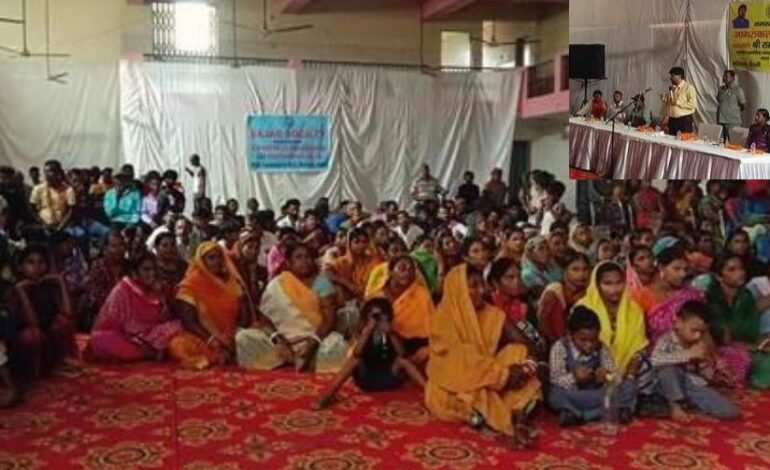
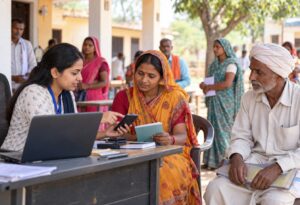
The programme was held at the MCD Community Hall in Matiala, where more than 300 waste pickers participated. Ayushman Cards were also distributed to beneficiaries, extending healthcare coverage to members of the workforce.

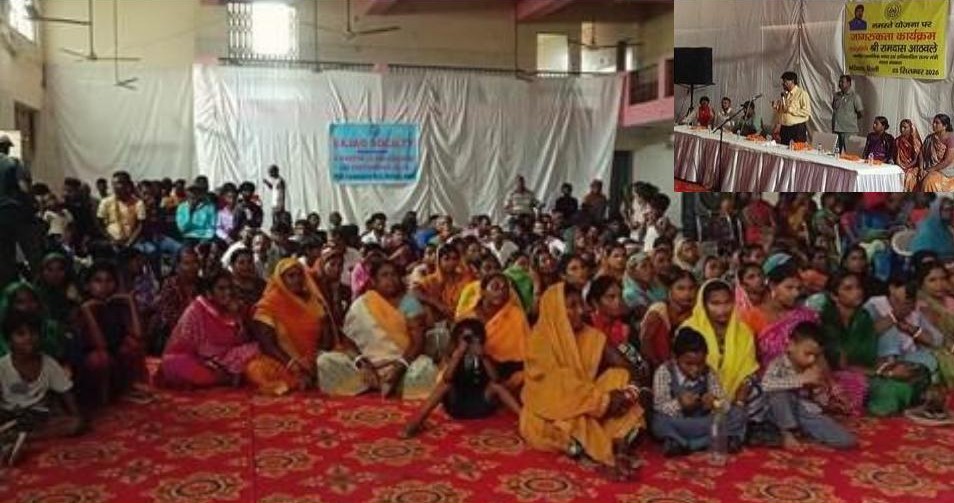
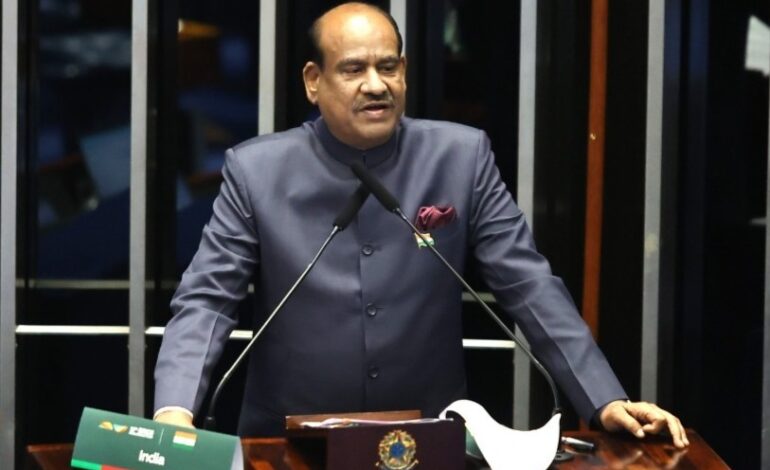
NEW DELHI: Union Minister of State for Social Justice and Empowerment Ramdas Athawale on Friday inaugurated the distribution of NAMASTE Cards to waste pickers in the Municipal Corporation of Delhi’s Najafgarh Zone, highlighting the government’s focus on improving the safety, dignity and welfare of sanitation workers.
The programme was held at the MCD Community Hall in Matiala, where more than 300 waste pickers participated. Ayushman Cards were also distributed to beneficiaries, extending healthcare coverage to members of the workforce.
Athawale praised the contribution of waste pickers to keeping cities clean and said their work was essential to sanitation and public health. He assured the workers of the government’s continued cooperation and support in improving their working conditions and access to welfare schemes.
The distribution of NAMASTE Cards is part of the National Action for Mechanised Sanitation Ecosystem (NAMASTE), a Central Sector Scheme of the Ministry of Social Justice and Empowerment aimed at ensuring the safety, dignity and socio-economic upliftment of sanitation workers, including sewer and septic tank workers and waste pickers.
The scheme provides for formal recognition of workers, occupational safety, healthcare and social security, skill development and access to livelihood opportunities. It also seeks to promote mechanisation of hazardous sanitation work and eliminate dangerous manual cleaning practices.
Waste pickers were incorporated as a target group under NAMASTE in 2024. According to the government, 3,78,547 waste pickers had been profiled and 2,52,163 validated through e-KYC by early 2026. About 1,31,864 had received personal protective equipment kits, while data of 1,24,835 workers had been processed for the generation of Ayushman Cards.
The initiative comes against the backdrop of continuing government efforts to shift sanitation work towards safer, mechanised systems. Recent government data has also highlighted the risks faced by workers involved in hazardous sewer and septic tank cleaning, reinforcing the need for occupational safety and social protection.
The government says NAMASTE seeks to move sanitation workers from informal and hazardous working conditions towards a system based on recognition, safety, healthcare, skills and sustainable livelihoods.