UN initiative discusses responsible AI use in agriculture at IMC 2026
The New Delhi meeting brought together researchers, policymakers and industry to advance farmer-focused AI solutions, common standards and digital tools for resilient agricultural supply chains.
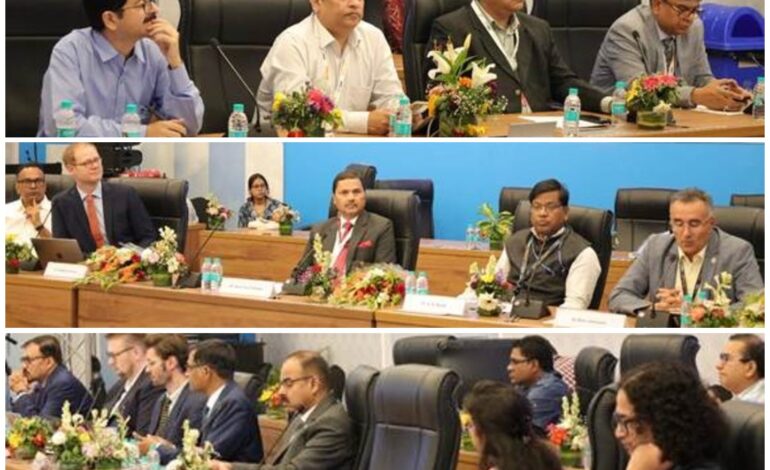
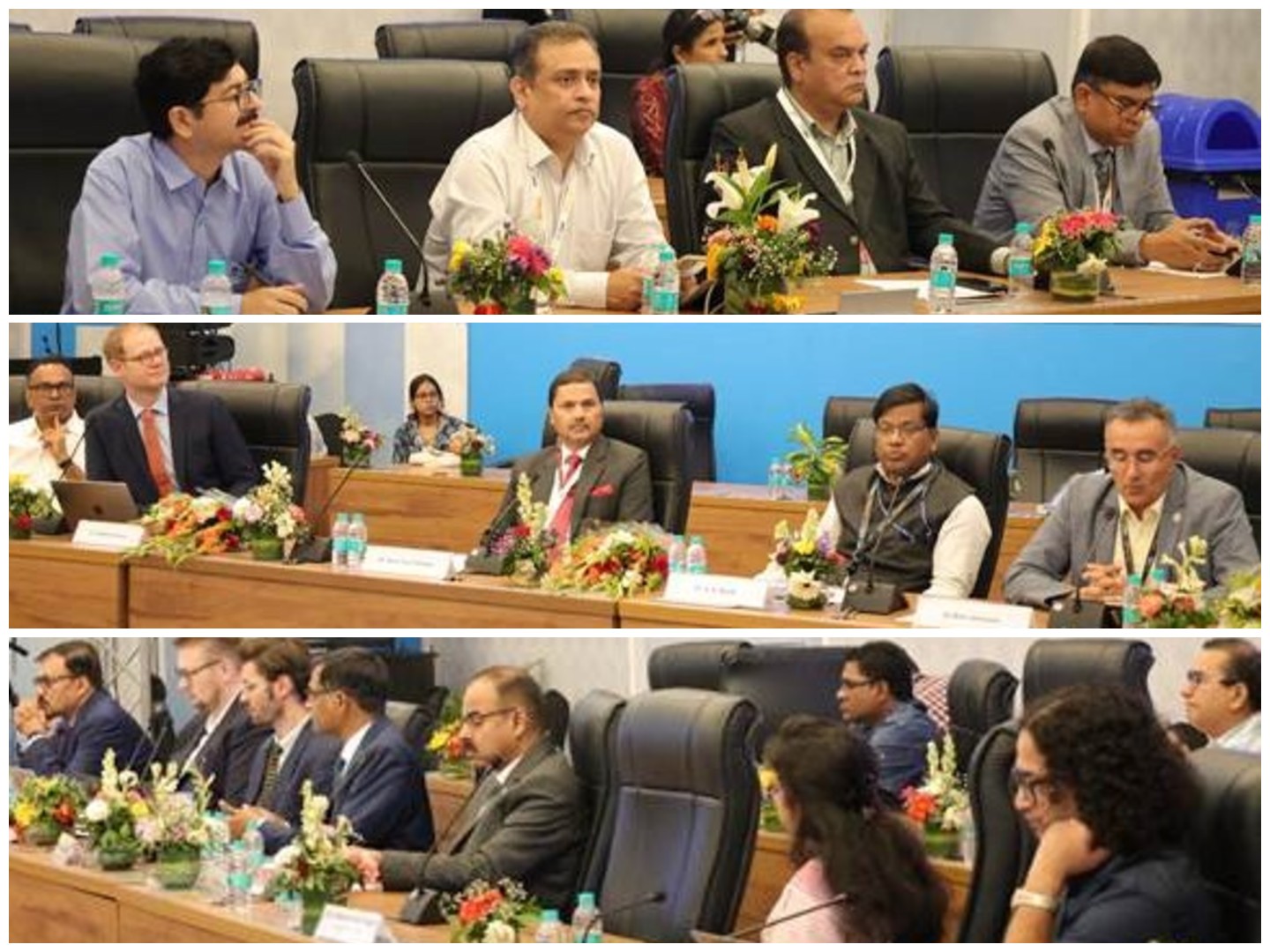
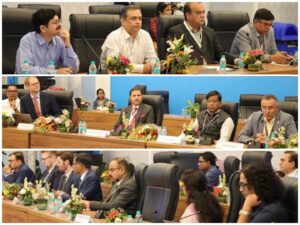
Around 70 delegates attended in person and 25 participated online, representing international organisations, government departments, research institutions, academia, industry and standards bodies.

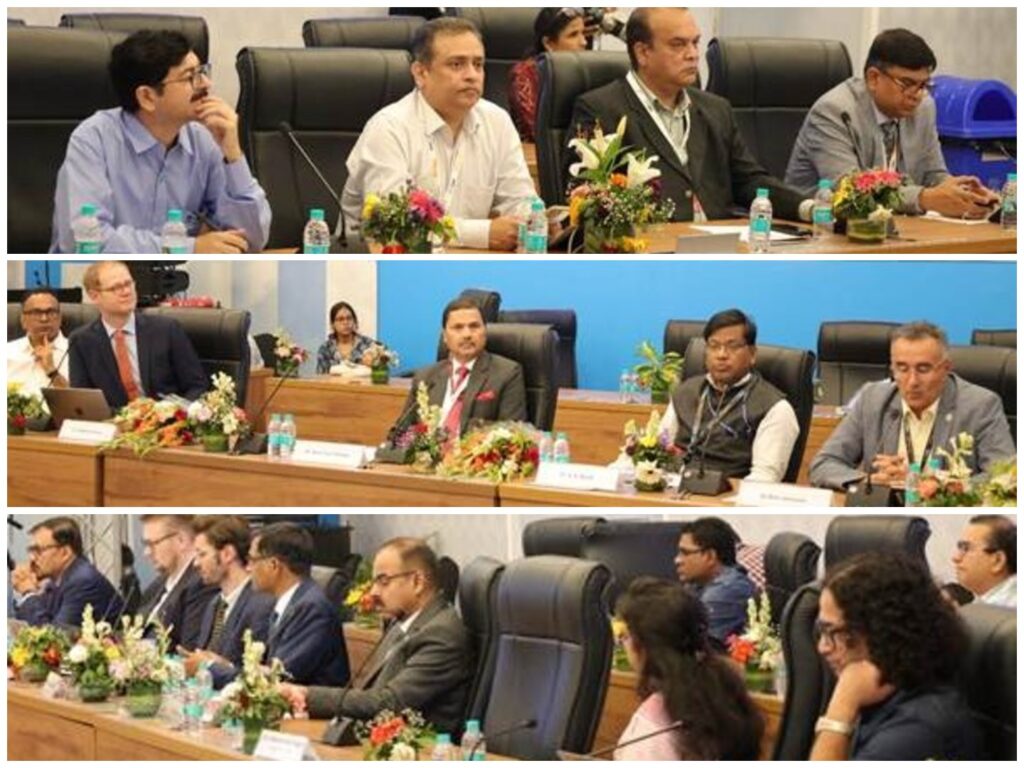
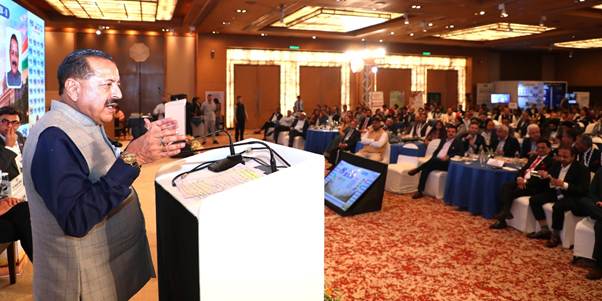
NEW DELHI: The second meeting of the UN Global Initiative on AI for Agri-Food Systems (GI-AI4FS) was held on Saturday alongside India Mobile Congress 2026, focusing on responsible applications of artificial intelligence and the Internet of Things in agriculture and food systems.
The Telecommunication Engineering Centre under the Department of Telecommunications jointly hosted the meeting with the Indian Council of Agricultural Research.
The initiative is coordinated by the International Telecommunication Union in collaboration with the Food and Agriculture Organization, International Fund for Agricultural Development and World Food Programme.
Around 70 delegates attended in person and 25 participated online, representing international organisations, government departments, research institutions, academia, industry and standards bodies.
Discussions examined how connected sensors, weather stations, drones, satellite systems and AI analytics could support precision agriculture, improve resource use, detect crop diseases early and help farmers make informed decisions. Participants also considered applications to strengthen traceability, reduce post-harvest losses and improve agricultural supply chains.
The meeting followed a two-day international hackathon on AI for Agri-Food Systems, held on October 8–9 at the ICAR campus in New Delhi. Jointly organised by TEC and ICAR, it brought together students, researchers, developers and innovators to address practical agricultural challenges.
Shortlisted teams presented their solutions at the meeting, which included recognition of winning innovations and an award ceremony for participating teams and contributors.
Delegates also discussed the initiative’s proposed governance and coordination structure, working group leadership and membership, terms of reference, and priority areas for initial work.
The meeting emphasised trustworthy, interoperable and farmer-centric AI solutions, alongside international cooperation on governance and standards to help translate research into practical applications.