PM Modi urges UPSC to assess public-service motivation, shorten exam cycles
At the commission’s centenary, the Prime Minister called for recruitment that tests foresight and complex problem-solving, preparing civil servants for AI, deepfakes and changing citizen expectations.
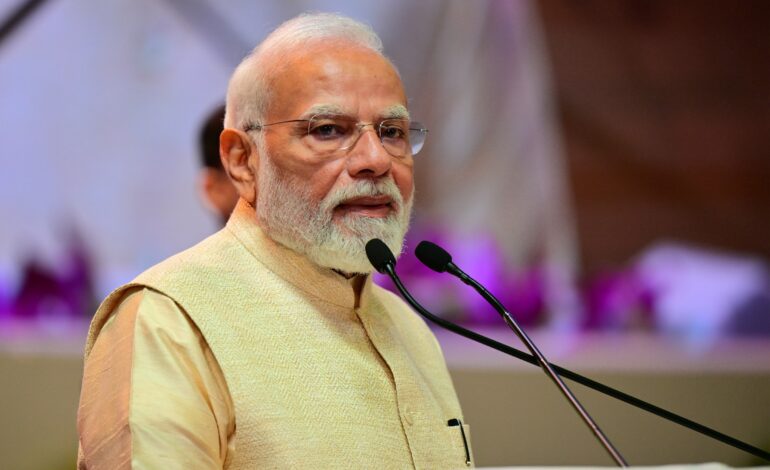
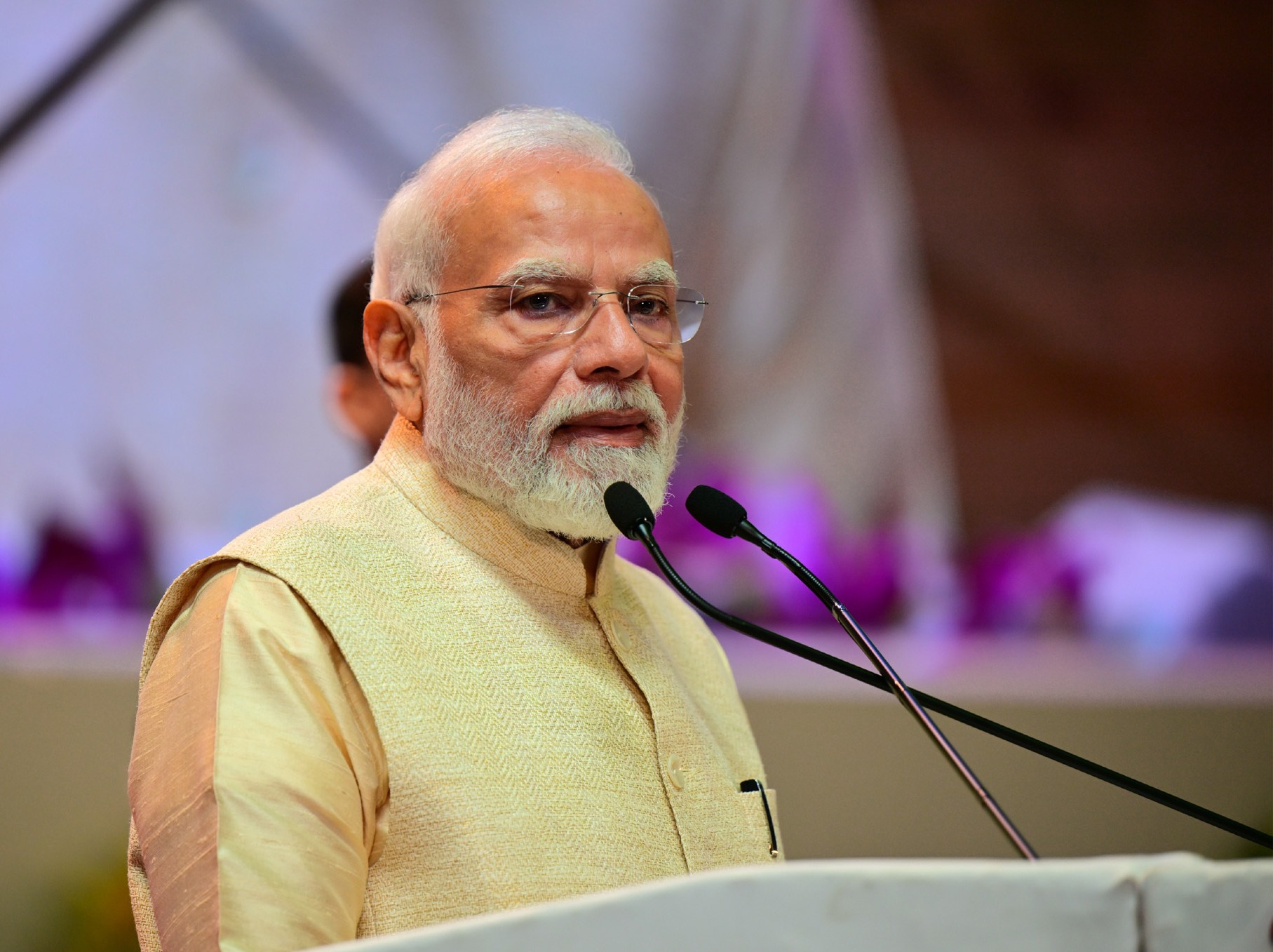
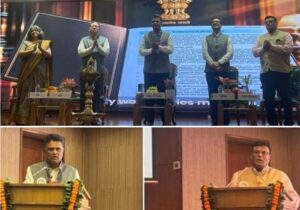
Prime Minister Narendra Modi addresses UPSC’s centenary celebrations at Bharat Mandapam in New Delhi on Thursday.

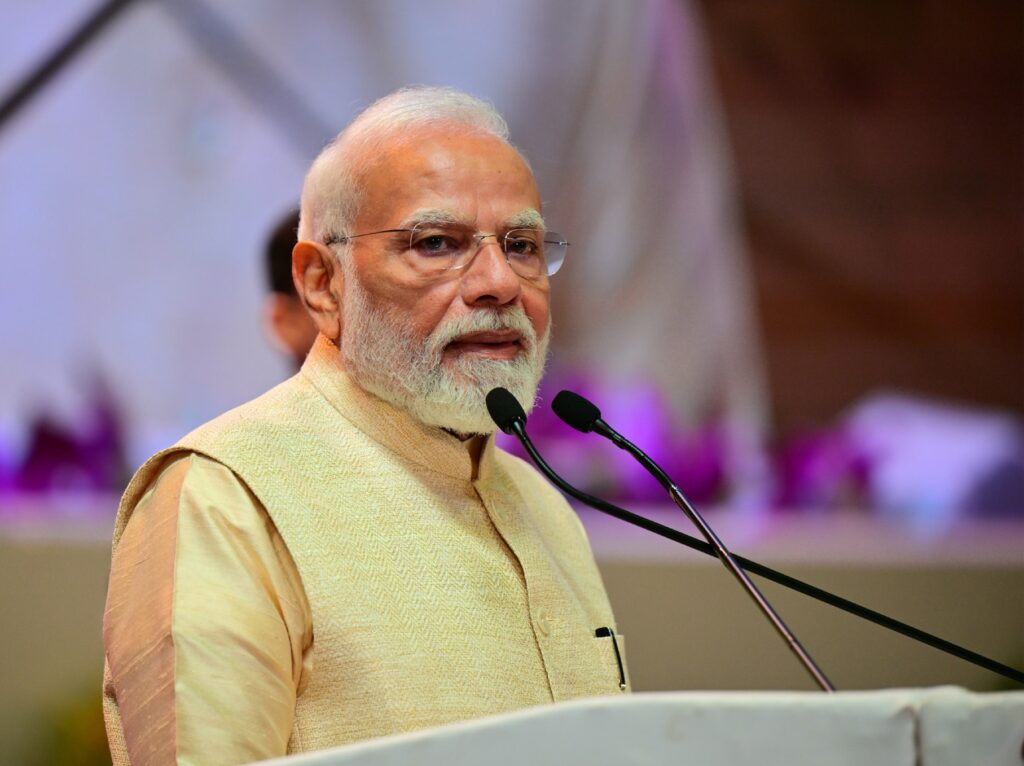
NEW DELHI: Prime Minister Narendra Modi on Thursday urged the Union Public Service Commission (UPSC) and state recruitment commissions to assess candidates’ motivation for public service alongside their knowledge, and shorten examination cycles without compromising standards.
Addressing UPSC’s centenary celebrations at Bharat Mandapam in New Delhi, Modi said recruitment processes must adapt to the country’s future administrative needs, according to a statement issued by the Prime Minister’s Office through PIB.
“We must bring youth into Public Services who are driven by Public Service, not Public Office,” he said, calling for selection processes guided by the principles of “Nation First” and “Citizen First”.
Modi said civil servants recruited today would help shape India’s development towards 2047. Increasing urbanisation, changing public aspirations and expectations of rapid, technology-enabled services would require new approaches to administration.
He identified information warfare, deepfakes, algorithmic bias and climate justice as emerging challenges, and urged recruitment agencies to give greater weight to foresight and complex problem-solving abilities.
The Prime Minister also called for greater certainty in examination timelines. Prolonged recruitment cycles, he said, impose coaching, accommodation and transport costs on candidates and their families. Reducing these delays would therefore support fairer access to opportunities.
He encouraged UPSC and state commissions to share best practices, study international standards and improve efficiency through technology. The iGOT platform under Mission Karmayogi could support their institutional capacity building, he added.
Emphasising citizen-centred governance, Modi said administrators should anticipate problems, develop innovative solutions and assess how laws affect people. He also suggested that trainee officers record their original reasons for joining the civil services as a reference for self-assessment throughout their careers.
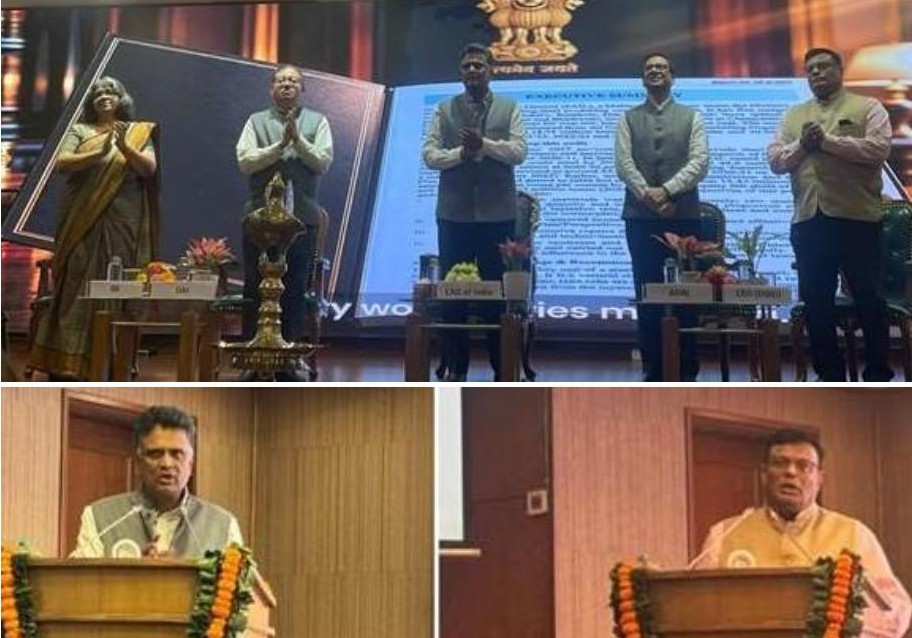
The centenary event marked the release of a commemorative postage stamp, a special coin and a compilation of 100 significant case laws.
As UPSC enters its second century, Modi said its independence, impartiality, commitment to merit, confidentiality and fair processes must remain central to its functioning.