Centre extends RELIEF insurance support for exporters facing West Asia disruptions
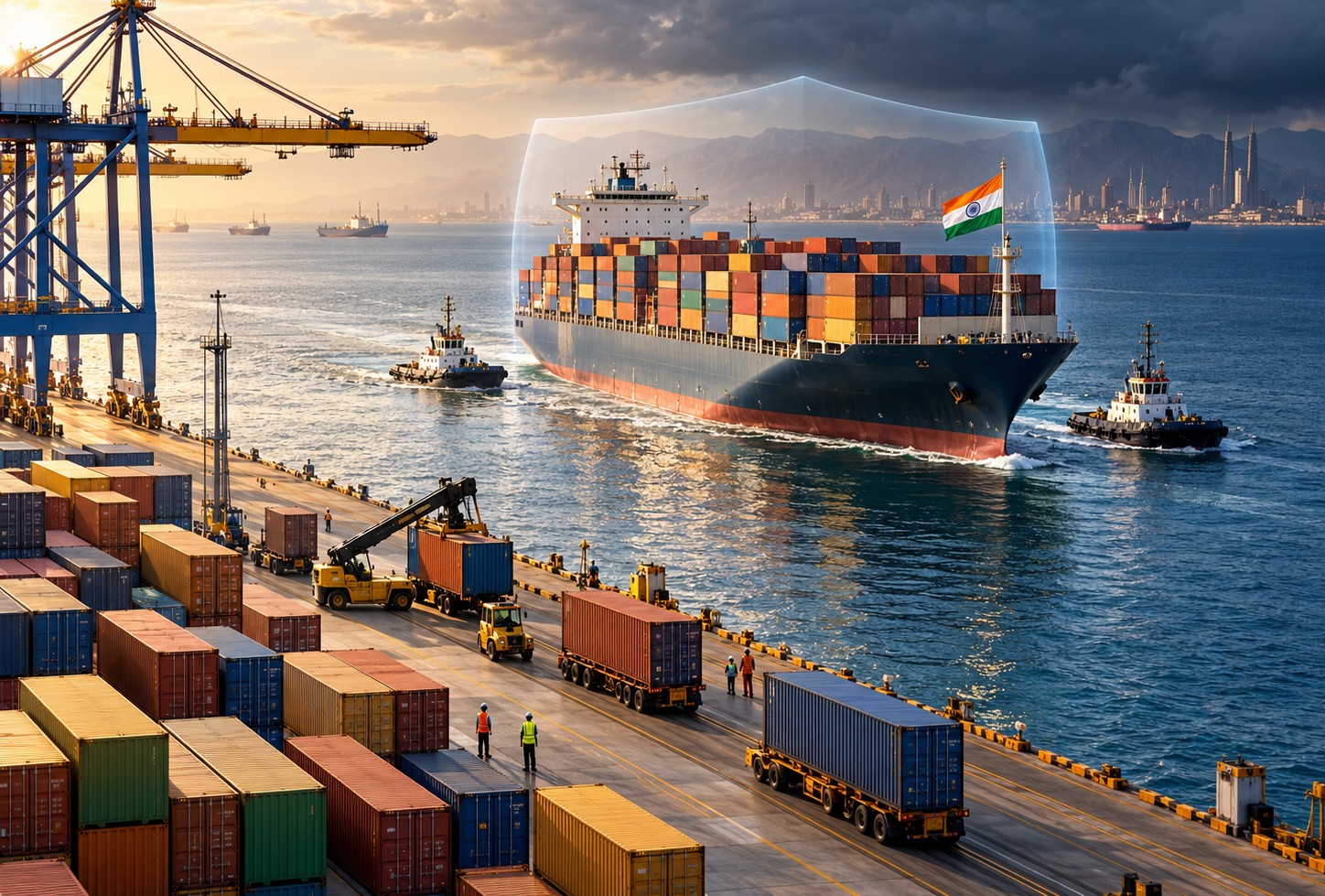
Eligible shipments receive 95% risk coverage under ECGC policies, with premiums capped at pre-disruption levels. Support covers full and partial container loads and reefers, excluding energy shipments.
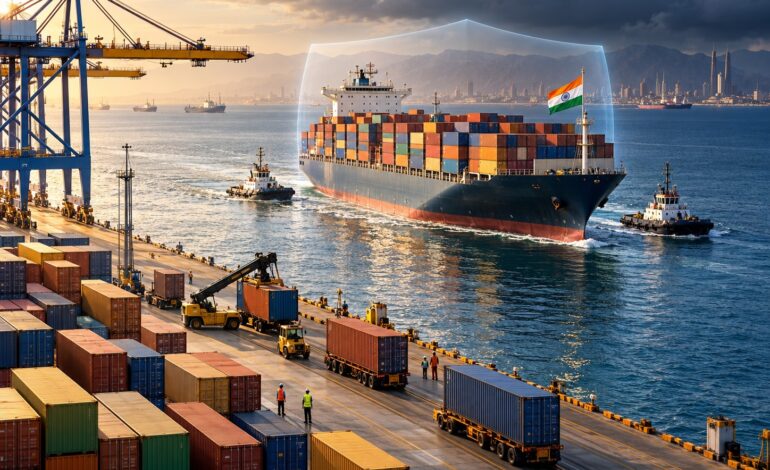
RELIEF, or Resilience & Logistics Intervention for Export Facilitation, operates under the Export Promotion Mission.

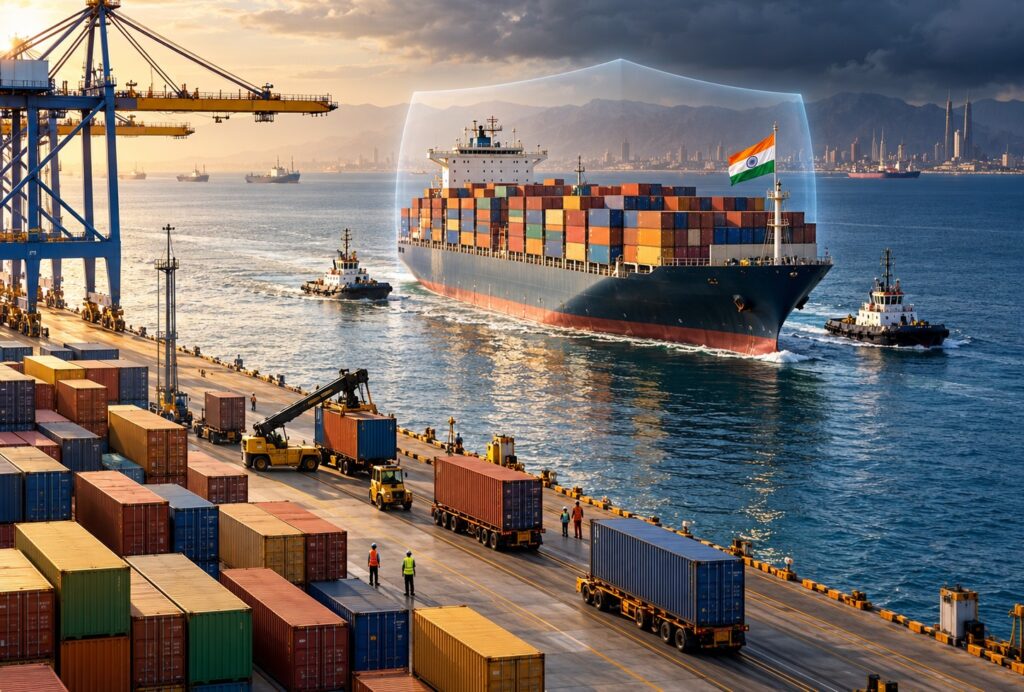
NEW DELHI: The Department of Commerce has extended the operational timelines under Component II of RELIEF, an export-support intervention aimed at helping Indian exporters facing continuing maritime logistics disruptions in West Asia.
The extension was notified on September 30 through Notification No. 37/2026-27, according to a government release issued through PIB on Friday. The release did not specify the revised deadline.
RELIEF, or Resilience & Logistics Intervention for Export Facilitation, operates under the Export Promotion Mission. Its second component encourages exporters to obtain ECGC insurance for upcoming shipments to specified regions, offering 95% risk coverage.
The support applies to standalone or whole-turnover policies obtained on or after March 16, 2026. Eligible cargo includes full container loads, less-than-container loads and refrigerated containers, excluding energy shipments.
For the eligible period, the component also ensures that insurance premiums paid by exporters do not rise above pre-disruption levels.
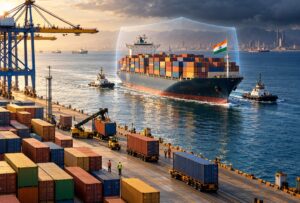
Launched on March 19, 2026, RELIEF seeks to address extraordinary freight increases, higher insurance premiums and war-related export risks arising from disruptions in the Gulf and wider West Asia maritime corridor.
The government said the extension aims to sustain trade flows and support exporters amid continuing geopolitical and logistics uncertainties.