IPC launches seven nitrosamine reference standards to strengthen drug quality testing
The new standards target potentially carcinogenic nitrosamine impurities that can enter medicines during manufacturing and storage, giving Indian laboratories stronger tools for testing, validation and regulatory compliance.
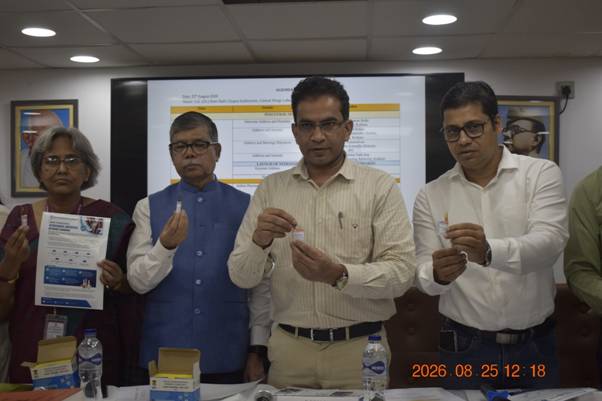
The standards were launched during an interactive meeting organised by IPC at the Central Drugs Laboratory (CDL) and Central Cosmetics Laboratory (CCL) in Kolkata.

NEW DELHI: The Indian Pharmacopoeia Commission (IPC) has launched seven Indian Pharmacopoeia Nitrosamine Impurities Reference Standards to strengthen the detection and quantification of potentially harmful impurities in pharmaceutical products.
The standards were launched during an interactive meeting organised by IPC at the Central Drugs Laboratory (CDL) and Central Cosmetics Laboratory (CCL) in Kolkata. The meeting, titled “IP 2026: Perspectives, Suggestions & Way Forward”, was held for the first time in Kolkata and brought together experts and stakeholders to discuss pharmacopoeial standards and drug quality.
The seven reference standards launched by IPC are N-Nitrosodimethylamine (NDMA), N-Nitrosodiethylamine (NDEA), N-Nitrosoethylisopropylamine (NEIPA), N-Nitrosodibutylamine (NDBA), N-Nitrosomethylphenylamine (NMPA), N-Nitrosodiisopropylamine (NDIPA), and N-Nitroso-N-methyl-4-aminobutyric acid (NMBA).
Nitrosamines are potent genotoxic and carcinogenic compounds that can arise unintentionally during pharmaceutical manufacturing, storage and packaging or through contamination from materials used in production. Controlling such impurities is particularly important for certain medicines used to treat conditions including hypertension, gastric disorders, diabetes and tuberculosis.
The newly launched reference standards are expected to support accurate detection and quantification of nitrosamine impurities, as well as pharmaceutical testing, method validation, quality assurance and regulatory compliance.
The initiative also seeks to strengthen India’s availability of critical reference materials and promote greater alignment with international quality standards.
Dr V. Kalaiselvan, Secretary-cum-Scientific Director of the Indian Pharmacopoeia Commission, said during the inaugural address that collaboration with CDL laboratories was crucial for ensuring the quality of medicines.
Dr Suparna Chatterjee, Professor and Head of Pharmacology at IPGMER Kolkata, and Dr Rakesh Kumar Rishi, Director of the Central Drugs Laboratory, were among the other dignitaries present.
The interactive meeting provided a platform for experts from regulatory authorities, laboratories and IPC to exchange views and suggestions on strengthening the Indian Pharmacopoeia and India’s drug quality ecosystem.