World Earth Day 2026: Sustainable Manufacturing Gains Momentum as India Pushes Green Industrial Growth
Industry leaders highlight role of circular economy, energy efficiency on World Earth Day 2026 As India accelerates its ambition to become a global manufacturing hub, sustainability is emerging as a
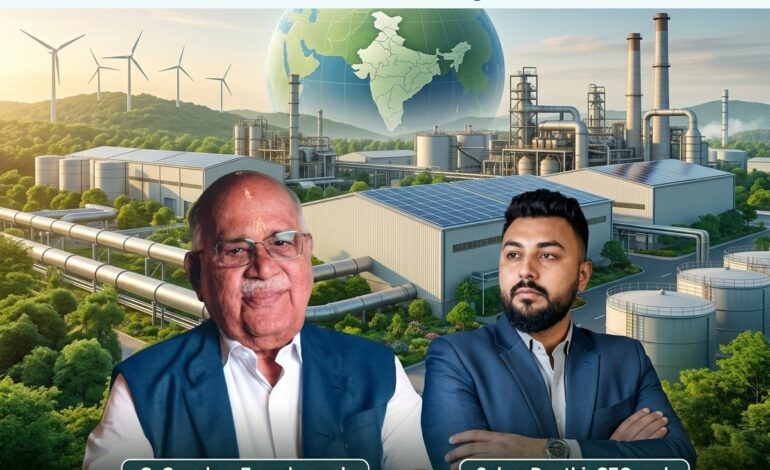
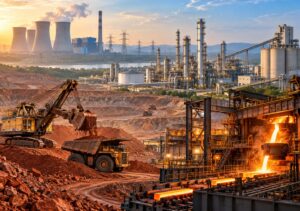
On the occasion of World Earth Day 2026, industry voices underscored the need to integrate sustainable practices into manufacturing, particularly in sectors such as metals, where energy intensity and resource use remain high.

Industry leaders highlight role of circular economy, energy efficiency on World Earth Day 2026
As India accelerates its ambition to become a global manufacturing hub, sustainability is emerging as a defining pillar of industrial growth, with sectors increasingly aligning production with environmental responsibility and resource efficiency.
On the occasion of World Earth Day 2026, industry voices underscored the need to integrate sustainable practices into manufacturing, particularly in sectors such as metals, where energy intensity and resource use remain high.
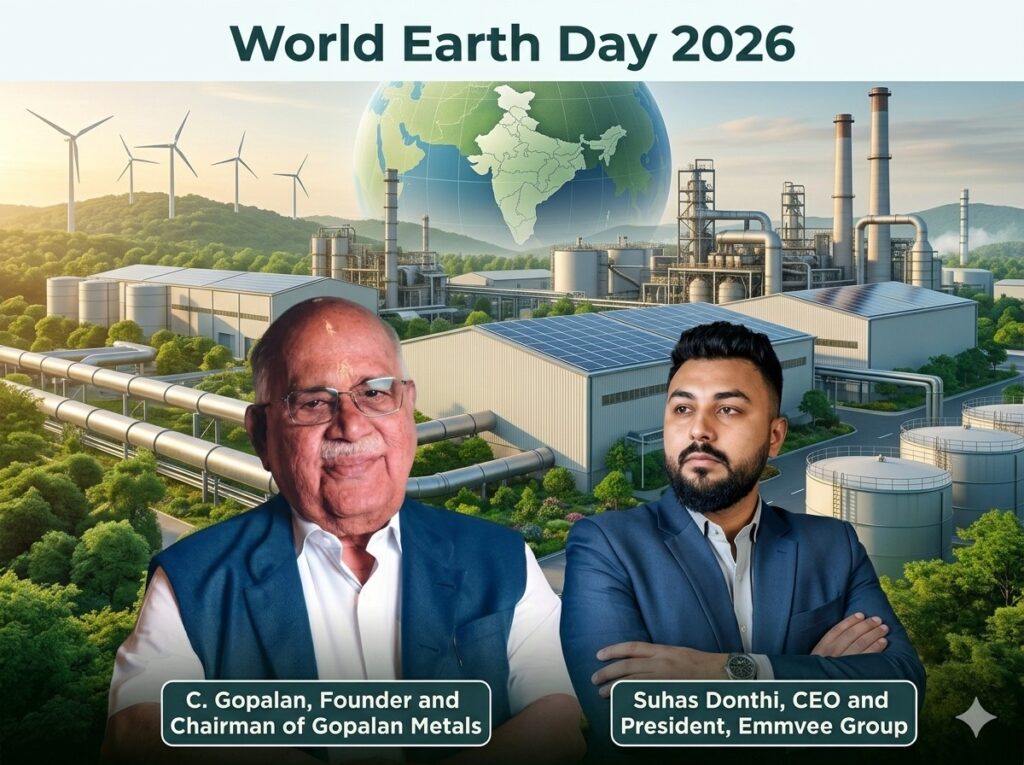
“India’s journey towards becoming a global manufacturing powerhouse must be anchored in sustainability,” said C. Gopalan, Founder and Chairman of Gopalan Metals. “Initiatives like ‘Make in India’ are not only about strengthening domestic capabilities but also about building a resilient and environmentally responsible ecosystem.”
He emphasised that materials like copper are central to this transition, given their 100% recyclability and critical role in enabling clean energy infrastructure and efficient power systems.
“With its ability to be recycled without loss of quality, copper supports circular economy practices while enabling energy-efficient applications across sectors,” Gopalan said, adding that advanced manufacturing processes are helping reduce material waste and optimise energy consumption.
The shift comes as India’s manufacturing ecosystem evolves towards cleaner production systems, supported by policy initiatives, technology adoption, and increasing industry investment in sustainable practices. Companies are focusing on improving energy efficiency, reducing emissions, and strengthening domestic supply chains to align with both economic and environmental priorities.
Gopalan noted that the company is expanding its presence in renewable energy and power distribution segments, delivering precision-engineered copper solutions designed to enhance energy transmission efficiency and support India’s clean energy goals.
Industry experts say this transition reflects a broader structural shift from conventional industrial growth to future-ready manufacturing, where sustainability, self-reliance and competitiveness are increasingly interconnected.
World Earth Day 2026 highlights the growing recognition that industrial progress must be balanced with environmental stewardship, as India positions itself for long-term, sustainable economic growth in a rapidly evolving global landscape.
Suhas Donthi, CEO and President, Emmvee Group: Adding to the growing industry perspective on sustainable manufacturing and clean energy transition on World Earth Day, Suhas Donthi, CEO and President, Emmvee Group, said India’s progress in reshaping its power sector has been both significant and encouraging.
“It is commendable to see that India has made significant progress in its commitment to climate goal by transforming the power sector. Today non-fossil sources form about half of total installed electricity generation capacity and solar is leading this transition. In fact, this thrust is showing no signs of slowing with initiatives like PM Surya Ghar: Muft Bijli Yojana (PMSGMBY), making every consumer a prosumer, which in turn is expected to generate substantial rooftop solar capacity and cut CO₂ emissions by approximately 720 million tonnes over 25 years,” he said.
He noted, however, that sustaining this momentum would require a more comprehensive and balanced approach across the energy ecosystem.
“But sustaining this transition over the long term will need a more comprehensive approach. It will require an equal thrust on building robust, end-to-end domestic solar PV manufacturing capability and a strong domestic market to absorb it. The favourable policy framework to ensure manufacturing and deepening of backward integration have laid the groundwork, what we need now is scaling up of power infrastructure to support the fast-growing demand of renewable energy power. This is the surest path for India to achieve its 500 GW non-fossil capacity goal by 2030 and staying firmly on course to net zero by 2070,” Donthi added.
His remarks reinforce the broader industry view that while policy push and capacity additions have accelerated India’s clean energy transition, the next phase will hinge on strengthening domestic manufacturing, grid infrastructure, and long-term demand alignment.