Women Representation in IAS Reaches Record 41%, Says Union Minister Jitendra Singh
Union Minister tells 2024 batch officer trainees they will shape India’s governance journey towards 2047
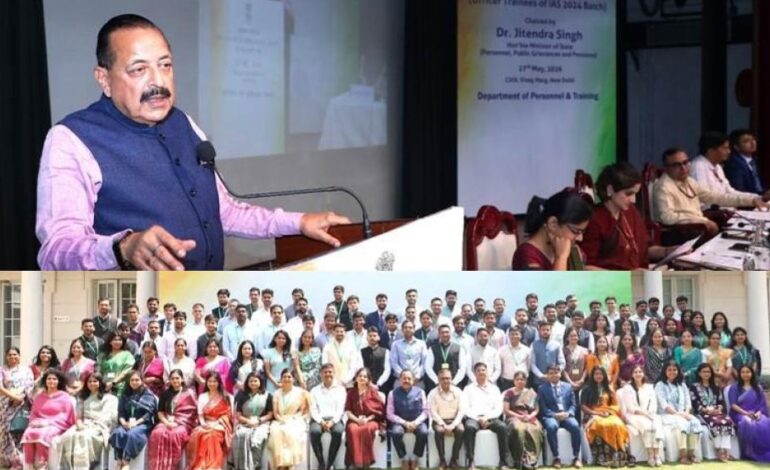
“2047 will belong to you,” Jitendra Singh told the trainees, describing the moment as both a privilege and a responsibility for the new generation of civil servants.

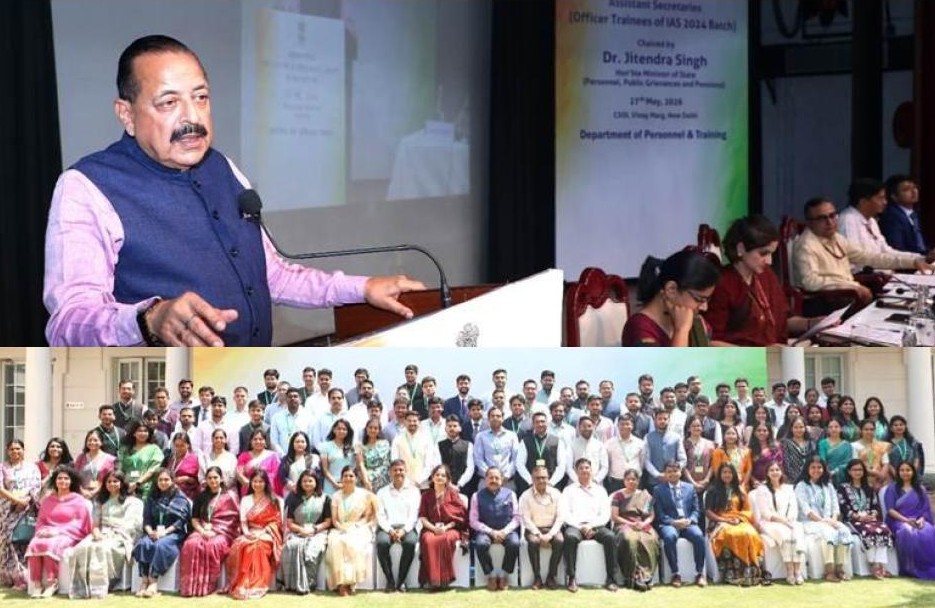
New Delhi: Union Minister Jitendra Singh on Wednesday said the changing character of India’s Civil Services reflects the wider democratisation of opportunity in the country, highlighting that women account for nearly 41 percent of the 2024 IAS batch — among the highest-ever representations in the history of the service.
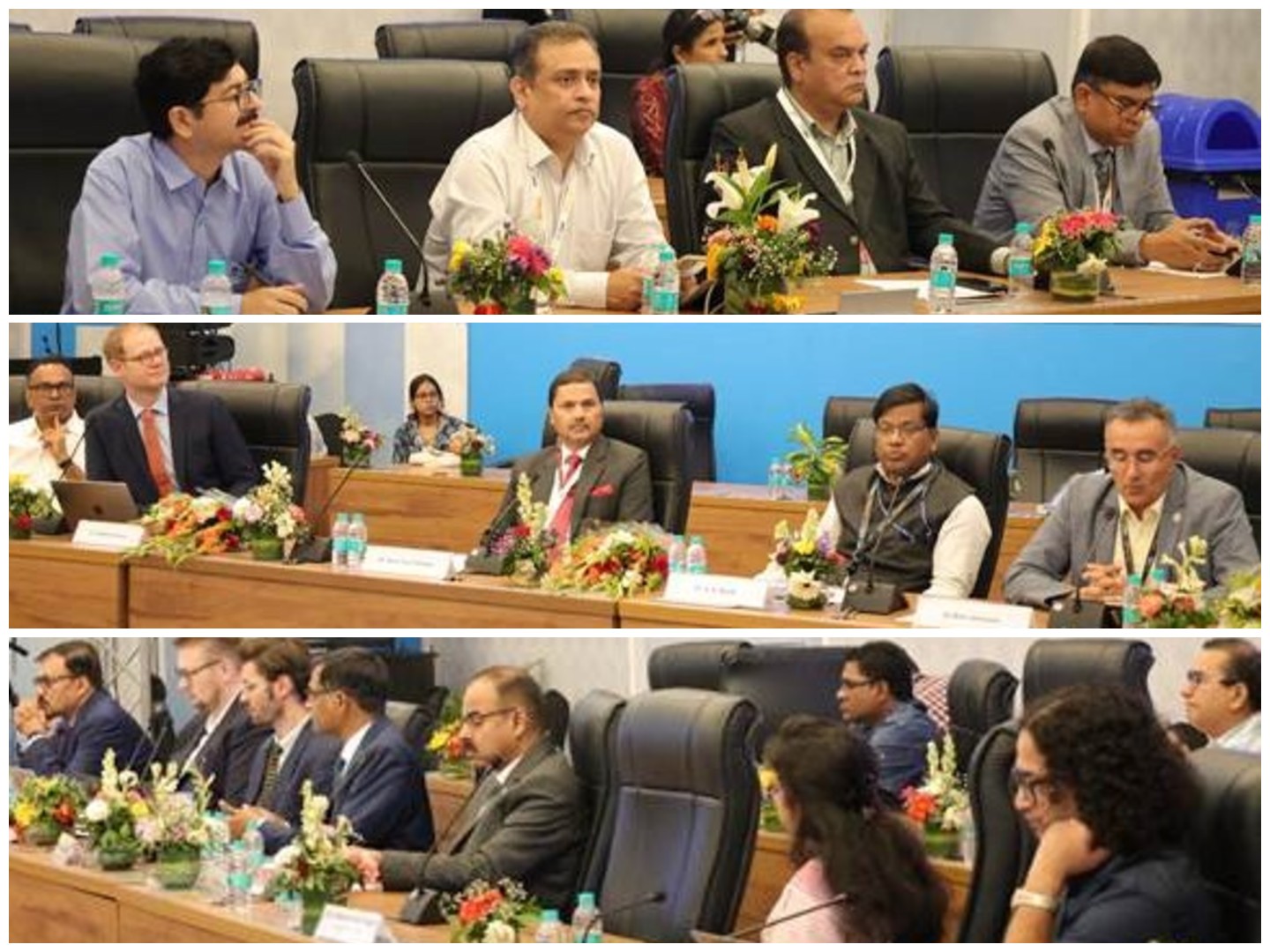
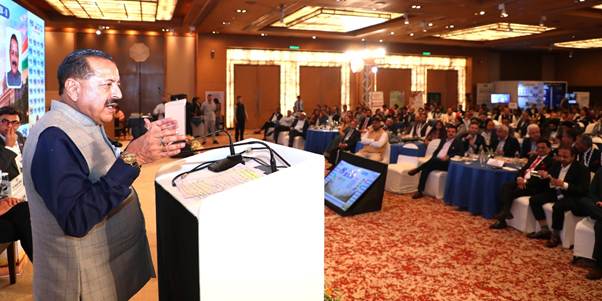
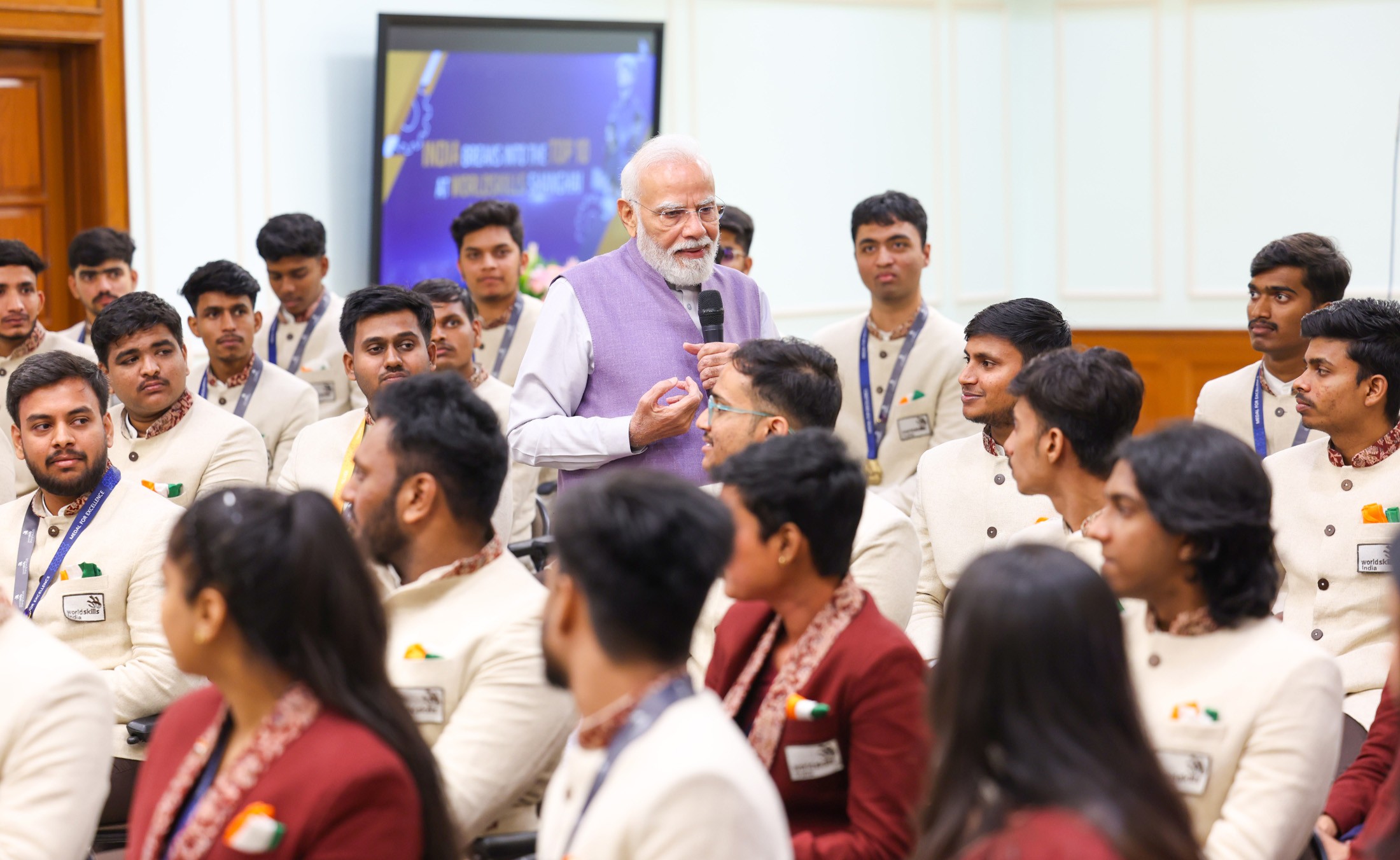
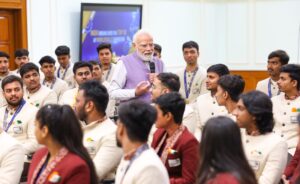
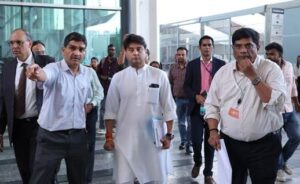
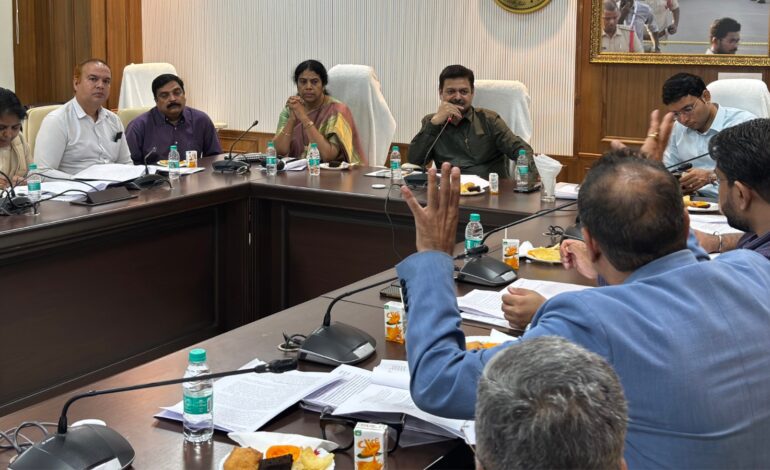
Interacting with IAS officer trainees of the 2024 batch under the Assistant Secretary Programme at the Civil Services Officers’ Institute in New Delhi, the minister said the officers entering service today are uniquely positioned to lead India’s governance transformation as the country approaches 100 years of Independence in 2047.
“2047 will belong to you,” Jitendra Singh told the trainees, describing the moment as both a privilege and a responsibility for the new generation of civil servants.
The interaction was part of the Assistant Secretary Programme under which 184 IAS officers of the 2024 batch have been attached to 49 ministries and departments of the Government of India for an eight-week exposure programme from May 4 to June 25, 2026. The initiative aims to provide first-hand understanding of policymaking, administrative coordination and governance at the Centre.
Jitendra Singh said the programme, introduced under Prime Minister Narendra Modi’s leadership, has significantly transformed the early administrative exposure available to young IAS officers and helped create a generation of officers who are more confident, policy-oriented and institutionally connected from the beginning of their careers.
Highlighting the increasing participation of women in civil services, the minister said the nearly 41 percent representation in the current batch reflects broader social changes underway in India, where access to education, professional opportunities and competitive examinations is becoming increasingly democratised.
He also pointed to changing regional trends in civil services selections, noting that states with historically lower representation are now producing larger numbers of successful candidates, while some traditionally dominant regions are witnessing a shift towards private-sector and global career opportunities.
According to the minister, 78 officers in the present batch come from engineering backgrounds, alongside candidates from medicine, law, management and humanities, reflecting the growing interdisciplinary nature of governance in a technology-driven era.
Jitendra Singh urged the officer trainees to continuously upgrade their skills in emerging areas such as Artificial Intelligence, digital governance, data analytics and public communication, stating that future administrators would need to combine technological competence with empathy, sensitivity and ethical public conduct.
He also advised the young officers to remain accessible to citizens, maintain neutrality and focus on meaningful public outcomes rather than visibility, describing India@2047 as a national mission that would largely be shaped by this generation of civil servants.