TCS study finds physical AI moving into mainstream manufacturing
The report says manufacturers are shifting from standalone automation to enterprise-wide AI ecosystems, with warehouse operations expected to see the biggest impact from intelligent systems.
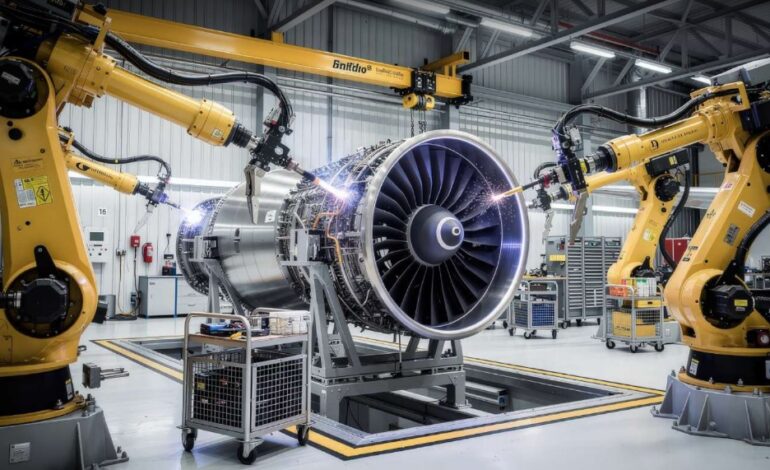
The Future-Ready Manufacturing: TCS Physical AI Readiness Report 2026, released by TCS, found that manufacturers are increasingly adopting physical AI ecosystems to improve operational efficiency while augmenting, rather than replacing, the workforce.

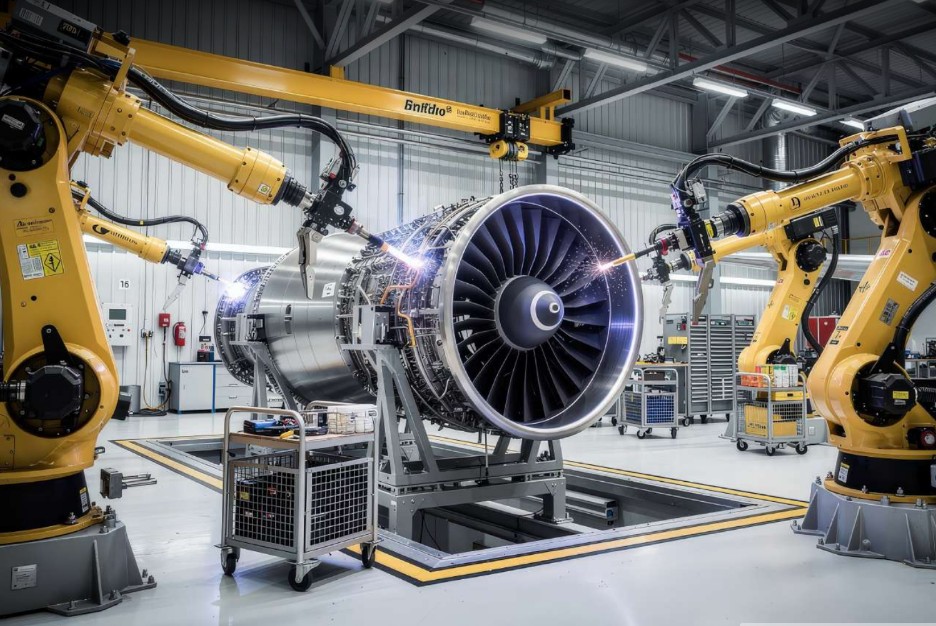
FARNBOROUGH/MUMBAI: Physical artificial intelligence (AI) is emerging as a mainstream technology in the manufacturing sector, with companies moving beyond isolated automation projects to enterprise-wide AI deployments, according to a new Tata Consultancy Services (TCS) study.
The Future-Ready Manufacturing: TCS Physical AI Readiness Report 2026, released by TCS, found that manufacturers are increasingly adopting physical AI ecosystems to improve operational efficiency while augmenting, rather than replacing, the workforce. The study says organisations are using intelligent systems to enhance safety, productivity and workforce redeployment under a Human + AI operating model.
The report is based on a survey of 300 CXOs and vice presidents from manufacturing companies across North America and Europe, covering sectors including automotive, electronics, industrial equipment, process industries, and aerospace and defence.
According to the findings, none of the surveyed organisations plans to reduce investment in physical AI, while 26% intend to increase spending, signalling long-term commitment to AI-led transformation. Warehouse operations are expected to witness the greatest impact, with 77% of respondents anticipating significant or transformational changes, followed by assembly and manufacturing operations (75%) and logistics and material movement (72%).
TCS Physical AI Readiness Report 2026
Physical AI is becoming mainstream as manufacturers move from automation to intelligent industrial ecosystems
Enterprise Physical AI Journey
Key Findings
| Area | Finding |
|---|---|
| Investment | No surveyed company plans to reduce Physical AI investment. |
| Business Priority | Warehouse automation leads enterprise AI adoption. |
| Workforce | Human + AI model focuses on safer, more productive workplaces. |
| Technology | Legacy systems, infrastructure and workforce skills remain major barriers. |
| Governance | Many organisations still lack formal AI accountability and regulatory readiness. |
The study also found that 42% of manufacturers expect physical AI to significantly augment the workforce by improving safety and supporting employees working in hazardous, repetitive or complex industrial environments. However, 68% of organisations remain in experimental or non-deployment stages, with legacy system integration, data infrastructure and workforce skills identified as key challenges to enterprise-scale implementation.
Governance also emerged as an area requiring attention, with 44% of respondents reporting unclear or no formal accountability structure for physical AI failures, while 40% said they were unprepared for emerging regulatory requirements.
Anupam Singhal, president of Manufacturing at TCS, said physical AI is taking intelligence beyond digital systems to the factory floor, enabling machines to sense, adapt and act in real time. He said manufacturers that successfully scale the technology will shape the next phase of industrial transformation.
The report also highlights TCS’ collaboration with Google Cloud through the TCS Physical AI Gemini Experience Center in Troy, Michigan, which enables manufacturers to explore, test and scale physical AI applications for safety, quality and operational efficiency. The company said its Physical AI Blueprint integrates robotics, advanced sensing, edge intelligence and cloud orchestration to help enterprises build scalable and governed AI ecosystems.
What is Physical AI?
Physical AI refers to artificial intelligence embedded in machines, robots and industrial systems that can perceive their surroundings, make decisions and perform actions in the real world. Unlike generative AI, which primarily creates text, images or code, Physical AI powers autonomous robots, warehouse systems, factory equipment and industrial automation.