LBSNAA, DoLR Host National Workshop to Prepare Collectors for NAKSHA Rollout
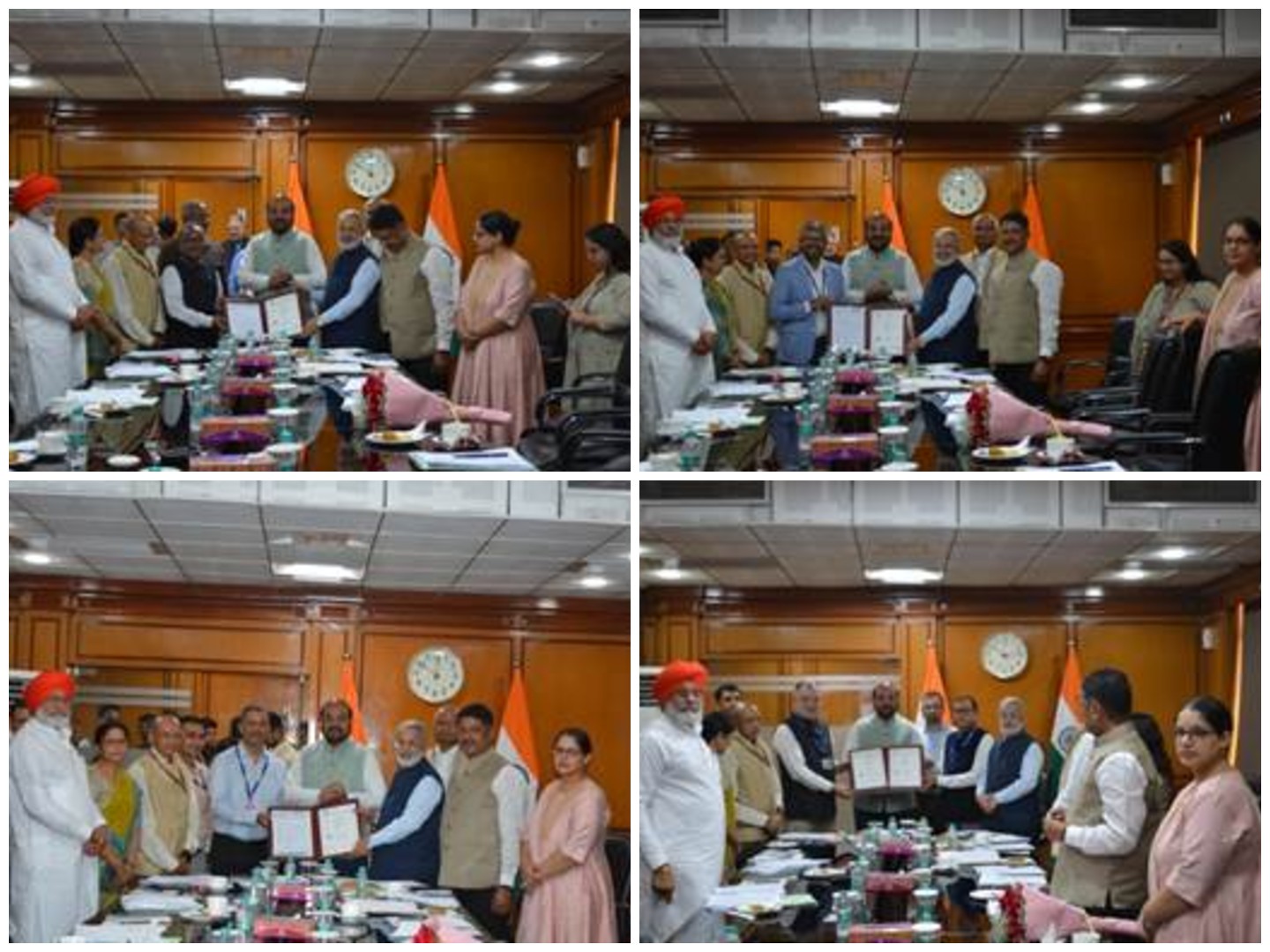
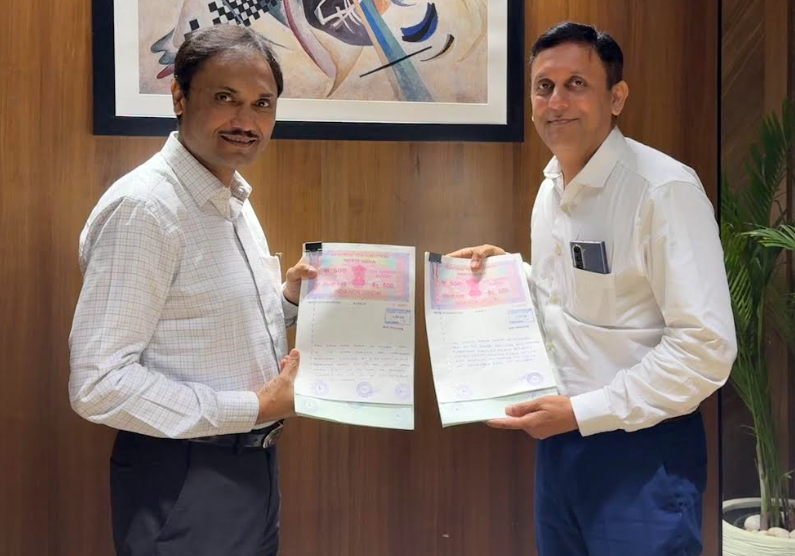
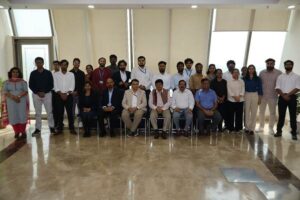
Mussoorie, October 27: The Department of Land Resources (DoLR), in collaboration with the Lal Bahadur Shastri National Academy of Administration (LBSNAA), has organised a two-day national workshop on NAKSHA —
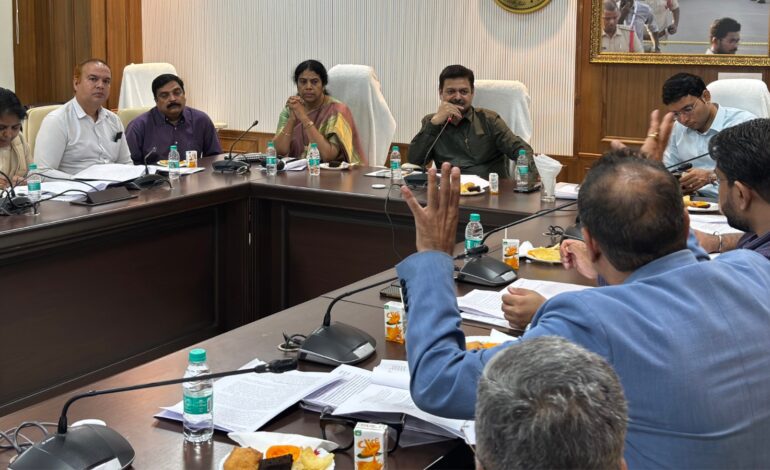
Designed to familiarise district-level administrators with NAKSHA’s end-to-end workflow, the workshop covers modern GIS survey techniques, digital data acquisition, and integration of legal and governance processes.

Mussoorie, October 27: The Department of Land Resources (DoLR), in collaboration with the Lal Bahadur Shastri National Academy of Administration (LBSNAA), has organised a two-day national workshop on NAKSHA — a flagship initiative to transform urban land records through geospatial technology.
The programme, titled “Training-cum-Workshop on NAKSHA”, will be held on October 27–28 at LBSNAA’s BN Yugandhar Centre for Rural Studies (BNYCRS). It aims to build the administrative and technical readiness of District Collectors for the nationwide pilot rollout of NAKSHA — the National Geospatial Knowledge-based Land Survey of Urban Habitations — across 28 states and three union territories.
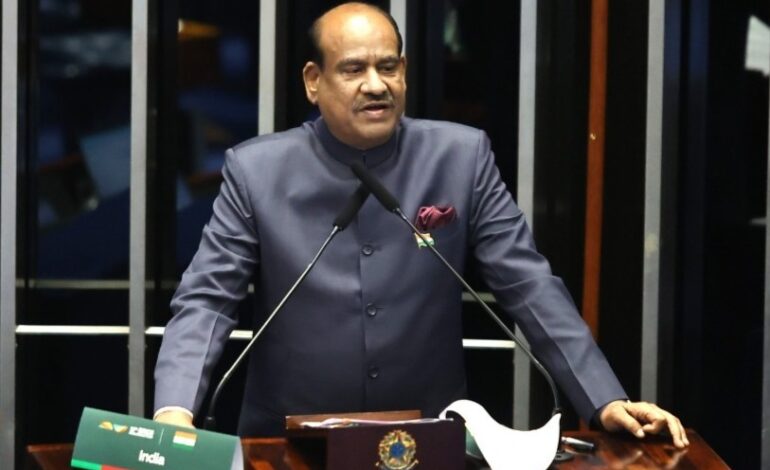
Dr Bagadi Gautham, Centre Director, BNYCRS, will deliver the inaugural address, followed by a keynote by Manoj Joshi, Secretary, Department of Land Resources. The sessions will include a programme overview by Kunal Satyarthi, Joint Secretary, DoLR, and detailed technical presentations by SK Sinha, Additional Surveyor General of India. A live demo of the NAKSHA Web-GIS portal will be presented by MPSEDC.
Senior officials from Gujarat, Andhra Pradesh, Karnataka, Kerala, Assam, and Madhya Pradesh will share implementation experiences and best practices from their respective states. The workshop will also include sessions on administrative and legal frameworks by NK Sudhanshu, DG of YASHADA, and S. Chockalingam, CEO of Maharashtra, culminating in a ground-truthing demonstration by the Survey of India.
Designed to familiarise district-level administrators with NAKSHA’s end-to-end workflow, the workshop covers modern GIS survey techniques, digital data acquisition, and integration of legal and governance processes.
According to the DoLR, NAKSHA is expected to revolutionise urban land management by enabling accurate, transparent, and real-time land records through geospatial mapping and interoperable digital systems — a key step toward efficient urban governance and property rights modernization.