Highways to Viksit Bharat: How India Built a New Road Network in 12 Years
National highway network expands 61%, expressways reshape connectivity, logistics and economic growth
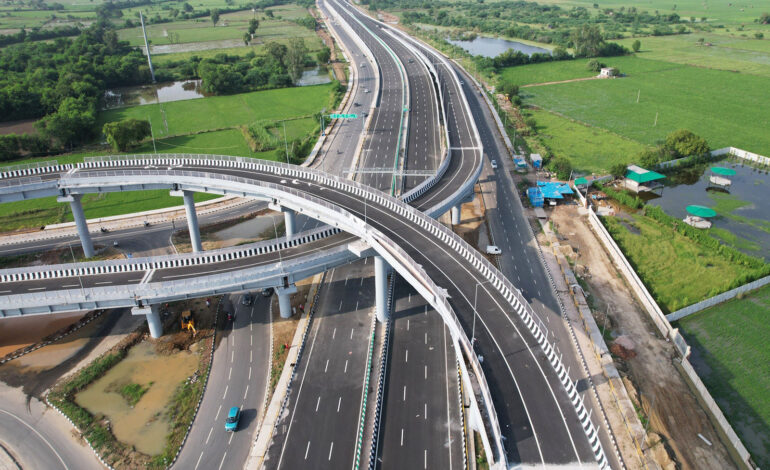
As India moves towards the vision of Viksit Bharat, the expanding highway network is expected to remain a critical driver of economic growth, investment, employment generation and improved quality of life for millions of citizens.

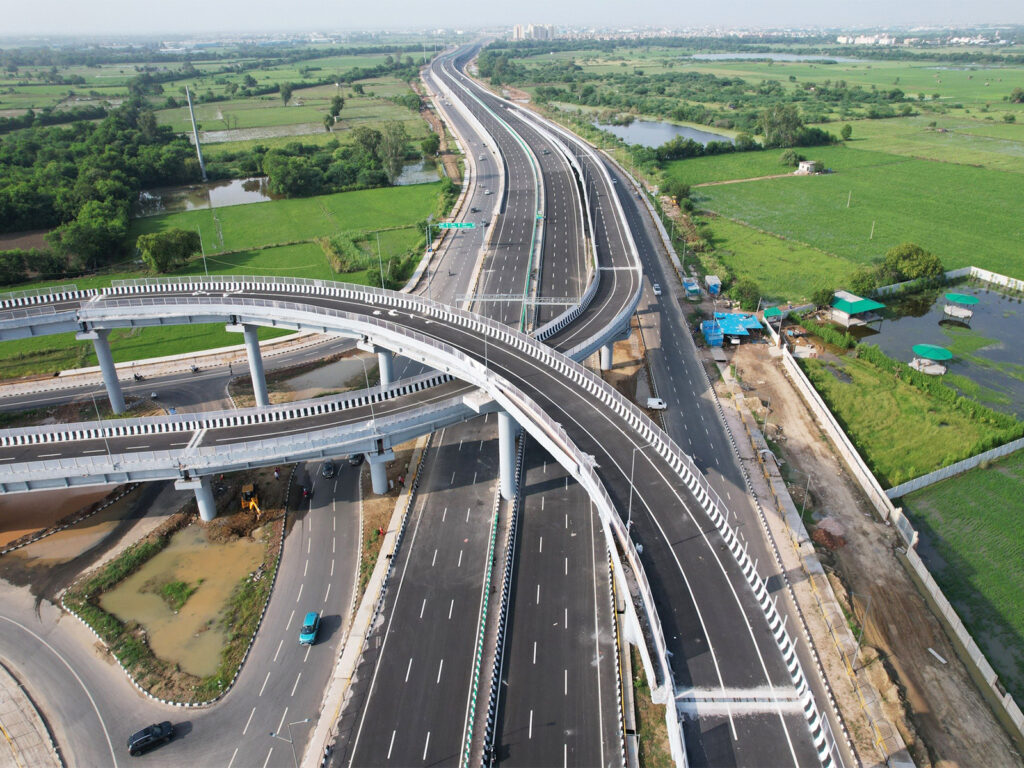
New Delhi: India has undergone one of the most significant infrastructure transformations in its history over the past twelve years, with rapid expansion of national highways, record construction speeds and the development of world-class expressways that are reshaping connectivity across the country.
According to the Ministry of Road Transport and Highways, the country’s national highway network has grown from approximately 91,287 kilometres in 2014 to more than 1,46,572 kilometres in FY 2025-26, representing an increase of nearly 61 percent.
The transformation has been driven by a combination of policy reforms, large-scale investments and flagship initiatives such as Bharatmala Pariyojana, which was conceived to improve freight and passenger movement while enhancing connectivity between economic centres, ports, border regions and remote areas.
Bharatmala: Backbone of Integrated Connectivity
Approved in 2017, Bharatmala Pariyojana envisages the development of 34,800 kilometres of national highway corridors with an estimated investment of ₹5.35 lakh crore.
As of March 2026, projects covering 26,425 kilometres had been awarded, while 22,590 kilometres had already been constructed. The programme focuses on economic corridors, feeder routes, border roads, coastal roads, port connectivity projects and expressways, significantly reducing logistics costs and improving access to underserved regions.
Construction Pace Reaches Record Levels
India’s highway construction speed has nearly tripled over the past decade.
From an average construction rate of about 11.6 kilometres per day in 2013-14, the pace has increased to nearly 34 kilometres per day in 2025.
The ministry attributes the acceleration to streamlined approvals, technological innovation, improved project execution and enhanced institutional capacity. Faster project completion has strengthened connectivity and improved supply chain efficiency across sectors.
Delhi–Mumbai Expressway: A New Economic Corridor
Among the most ambitious projects is the Delhi–Mumbai Expressway, a 1,386-kilometre access-controlled corridor being developed at an estimated cost of around ₹1 lakh crore.
Connecting Delhi, Haryana, Rajasthan, Madhya Pradesh, Gujarat and Maharashtra, the expressway is expected to transform long-distance travel, reduce logistics costs and create new opportunities for industrial growth and investment.
Several sections have already been inaugurated, including stretches in Rajasthan and Gujarat, bringing the project closer to full operationalisation.
India’s Highway Transformation
Powering the Journey Towards Viksit Bharat
1,46,572 km
National Highway Network (2026)
61%
Growth Since 2014
34 km/day
Construction Pace in 2025
22,590 km
Bharatmala Roads Completed
Major Expressways Transforming India
Delhi–Mumbai Expressway
Length: 1,386 km
Investment: ₹1 lakh crore
States: Delhi, Haryana, Rajasthan, Madhya Pradesh, Gujarat, Maharashtra
India’s longest access-controlled expressway.
Delhi–Meerut Expressway
Length: 82 km
Investment: ₹8,346 crore
Region: National Capital Region
Reduces travel time and improves regional mobility.
Dwarka Expressway
Length: 29 km
Investment: ₹9,000 crore
Connects: Delhi & Gurugram
Major urban mobility corridor with modern interchanges.
Bengaluru–Mysuru Expressway
Length: 118 km
Investment: ₹8,480 crore
Impact: Travel time cut from 3 hrs to 75 mins
Boosts tourism, trade and logistics in southern India.
Delhi–Dehradun Economic Corridor
Length: 213 km
Investment: ₹12,000 crore
Impact: Travel time reduced from 6 hrs to 2.5 hrs
Features one of Asia’s longest elevated wildlife corridors.
Bharatmala Pariyojana
Planned: 34,800 km
Awarded: 26,425 km
Completed: 22,590 km
India’s flagship highway connectivity programme.
India’s Highway Growth Journey
2014
91,287 km
2026
1,46,572 km
+61%
Expansion in National Highway Network
Transforming Urban and Regional Mobility
The Delhi–Meerut Expressway has emerged as a model urban-regional connectivity project, significantly reducing travel time between Delhi and Meerut while supporting economic activity across the National Capital Region.
Similarly, the Dwarka Expressway has enhanced connectivity between Delhi and Gurugram through advanced engineering features, multi-level interchanges and modern traffic management systems.
In southern India, the Bengaluru–Mysuru Expressway has reduced travel time between the two cities from nearly three hours to about 75 minutes, boosting tourism, trade and regional economic development.
Sustainability Meets Infrastructure
The Delhi–Dehradun Economic Corridor demonstrates how infrastructure development can be aligned with environmental conservation.
The 213-kilometre corridor has reduced travel time between Delhi and Dehradun from over six hours to around 2.5 hours. The project incorporates one of Asia’s longest elevated wildlife corridors and a major tunnel section designed to minimise ecological impact while improving mobility.
Building the Foundation of Viksit Bharat
The ministry says the transformation of India’s road and highway sector reflects a broader vision of infrastructure-led development and nation-building.
Improved highways and expressways have strengthened connectivity between states, facilitated faster movement of goods and services, enhanced access to markets and reduced logistics costs. They have also helped bridge regional disparities by connecting remote areas with economic growth centres.
As India moves towards the vision of Viksit Bharat, the expanding highway network is expected to remain a critical driver of economic growth, investment, employment generation and improved quality of life for millions of citizens.