Amit Shah Reviews Yamuna Rejuvenation Plan, Calls for Integrated Action by Delhi, Haryana, UP
129 sewage treatment plants operational; 59 more to be built by 2027 as Centre pushes for time-bound river clean-up
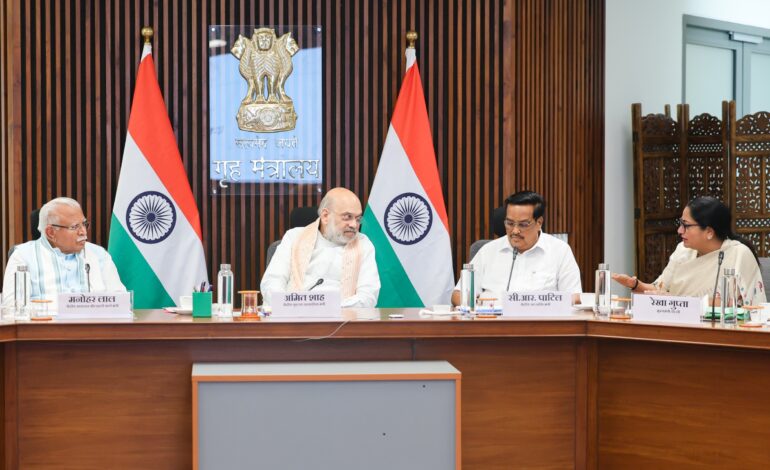
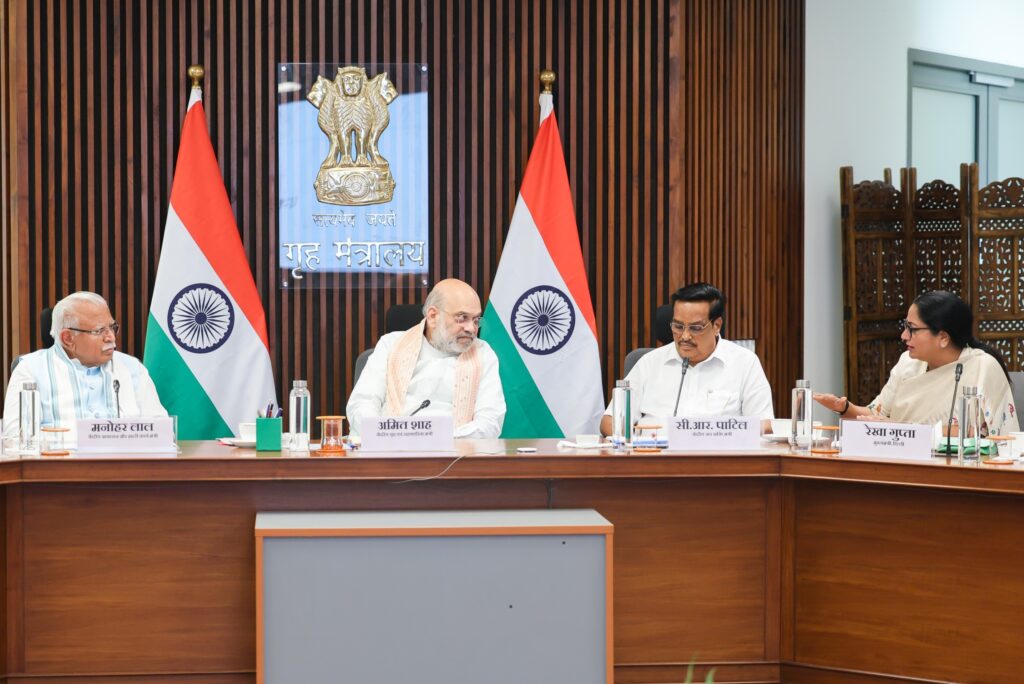
Union home minister Amit Shah chairs a high-level review meeting on the Yamuna rejuvenation project in New Delhi on Monday, with Union ministers, Delhi government representatives and senior officials from Delhi, Haryana and Uttar Pradesh in attendance.

New Delhi: Union home minister Amit Shah on Monday directed the governments of Delhi, Haryana and Uttar Pradesh to work through an integrated action plan for the rejuvenation of the Yamuna river, stressing that cleaning the river is a national commitment under the leadership of Prime Minister Narendra Modi.
Chairing a high-level review meeting on the Yamuna rejuvenation project, Shah said the three states and all concerned ministries must work in a coordinated manner rather than pursuing fragmented efforts. He called for a team-based approach to ensure measurable improvements in the river’s water quality and ecological health.
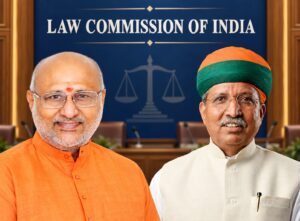
The meeting was attended by Union housing and urban affairs minister Manohar Lal, Union jal shakti minister CR Patil, Delhi lieutenant governor Taranjit Singh Sandhu, Delhi chief minister Rekha Gupta and senior officials from the Centre and the three states.
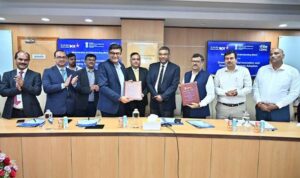
Shah said Delhi, Haryana and Uttar Pradesh must jointly ensure the prescribed ecological flow in the Yamuna to support river restoration efforts. He also announced that the Municipal Corporation of Delhi and the National Dairy Development Board (NDDB) will sign a memorandum of understanding to prevent dairy waste from entering the river.
Under the proposed arrangement, dung from dairies and gaushalas will be transported directly to biogas and manure plants, while waste generated along the Yamuna banks will be managed scientifically.
Reviewing the progress of desilting operations, the home minister said 97 per cent of the targeted 28.57 lakh metric tonnes of silt had already been removed from drains flowing into the Yamuna. The remaining work is expected to be completed by June 15. He directed officials to ensure that the extracted silt is utilised in manufacturing and construction projects so that it is not washed back into the river during the monsoon.
Shah said 129 sewage treatment plants (STPs) have already been established across Delhi, Haryana and Uttar Pradesh and that another 59 STPs will be constructed by the end of 2027 to strengthen wastewater treatment infrastructure.
He directed authorities to maintain continuous monitoring of key pollution indicators, including Biochemical Oxygen Demand (BOD), Chemical Oxygen Demand (COD) and Total Suspended Solids (TSS), at sewage treatment plants, industrial units and all drains discharging into the river.
The home minister emphasised that industrial common effluent treatment plants (CETPs) and dairy waste treatment facilities should be designed with future requirements in mind to ensure long-term sustainability.
Calling for strict implementation timelines, Shah instructed officials to prepare detailed action plans for all Yamuna rejuvenation projects and establish mechanisms for their long-term maintenance. He also directed that the progress of the river restoration programme be reviewed every 20 days to ensure accountability and timely execution.
The Yamuna rejuvenation initiative is aimed at improving water quality, reducing pollution and restoring the ecological health of the river, which serves as a critical water source for millions of people across northern India.