WHO, Ayush Ministry Hold Technical Meeting to Integrate Ayush Systems into Global Health Standards
New Delhi, December 23: The World Health Organization and the Ministry of Ayush have taken a significant step towards global integration of traditional healthcare systems by holding a two-day Technical

The technical sessions were chaired by Kavita Garg, joint secretary, ministry of ayush, who is leading India’s work on developing national health intervention codes for Ayurveda, Siddha and Unani.

New Delhi, December 23: The World Health Organization and the Ministry of Ayush have taken a significant step towards global integration of traditional healthcare systems by holding a two-day Technical Project Meeting on Traditional Medicine intervention code set development in New Delhi.
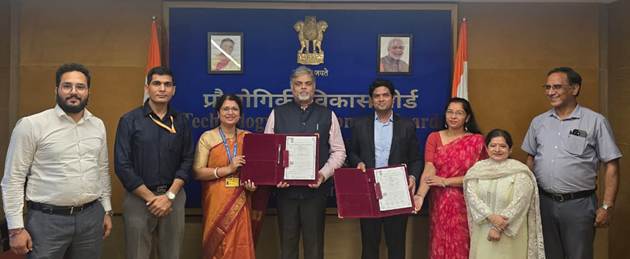
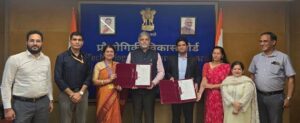
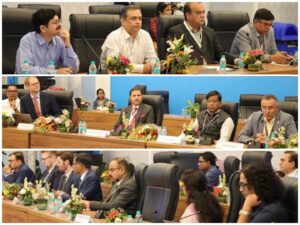
The meeting, held at Hotel Imperial on December 20–21, focused on developing a dedicated Traditional Medicine module within the International Classification of Health Interventions (ICHI). The initiative is anchored in the Memorandum of Understanding and Donor Agreement signed between the ministry of ayush and WHO on May 24, 2025, under which India is providing both financial and technical support to integrate Ayurveda, Siddha and Unani systems into global healthcare classifications.
The initiative aligns with the vision articulated by Prime Minister Narendra Modi, who has repeatedly stressed that standardisation is essential for Ayush systems to reach people worldwide in a scientific and credible manner. A globally accepted intervention framework, officials said, would help traditional systems gain wider recognition and support WHO’s goal of inclusive, safe and evidence-based healthcare.
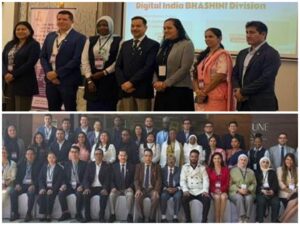
The technical sessions were chaired by Kavita Garg, joint secretary, ministry of ayush, who is leading India’s work on developing national health intervention codes for Ayurveda, Siddha and Unani. Experts contributing to the process included Rabinarayan Acharya, director general of the Central Council for Research in Ayurvedic Sciences, NJ Muthukumar, director general of the Central Council for Research in Siddha, and Zaheer Ahmad, director general of the Central Council for Research in Unani Medicine.
The meeting saw participation from all six WHO regions—AFRO, AMRO, EMRO, EURO, SEARO and WPRO—bringing a wide global perspective to the classification exercise. Senior officials from WHO headquarters in Geneva, including Robert Jakob, Nenad Kostanjsek and Stéphane Espinosa, along with Pradeep Dua, led the technical discussions. They were joined by representatives from the WHO Global Traditional Medicine Centre and the WHO SEARO office in Delhi.
Member states such as Bhutan, Brazil, India, Iran, Malaysia, Nepal, Mauritius, South Africa, Sri Lanka, the Philippines, the UK and the US participated in the deliberations to share country experiences and align intervention descriptions for traditional medicine practices.
Officials said integrating traditional medicine into ICHI is crucial as intervention coding provides a common global language for documenting, reporting and analysing healthcare procedures. Standardised codes will enable better assessment of the usage and outcomes of traditional treatments, support clinical research and policymaking, and facilitate the inclusion of these systems in national health information frameworks worldwide.
The project will be implemented by WHO under defined timelines and a scientific methodology, with the aim of scaling up traditional medicine interventions within global and national healthcare systems in a structured and evidence-based manner.