12 Years of Technology-Led Transformation Have Laid Foundation for Viksit Bharat 2047: Jitendra Singh
The Union Minister says India has transitioned from technology follower to technology leader through reforms, innovation and scientific advancement
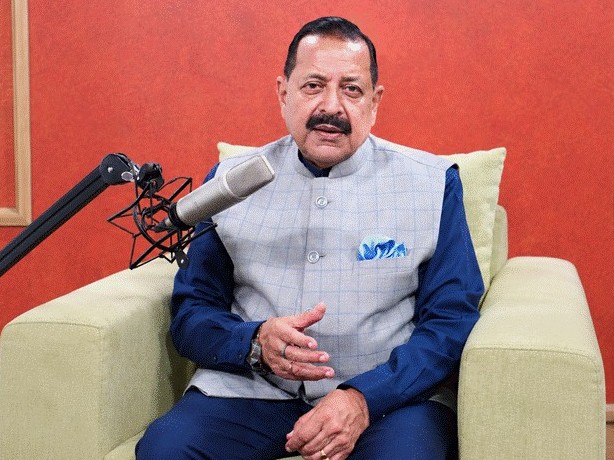
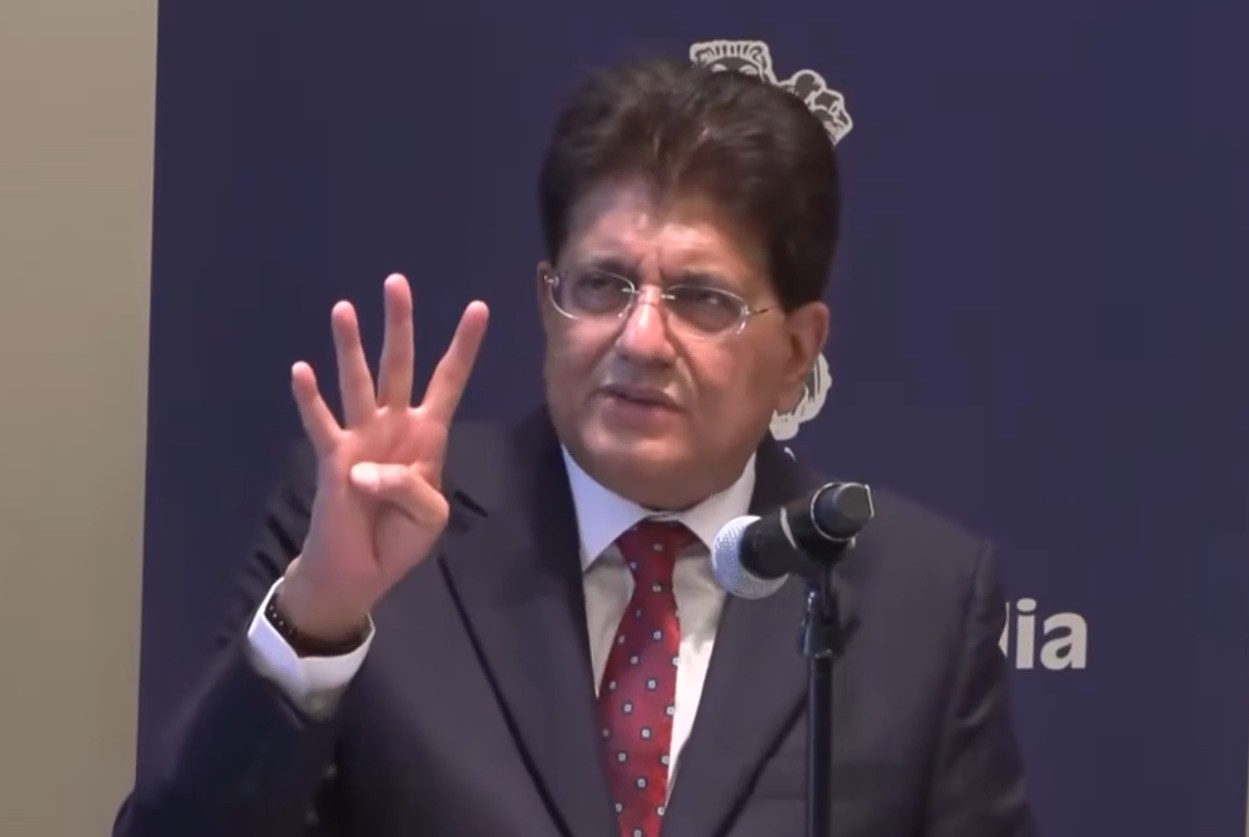
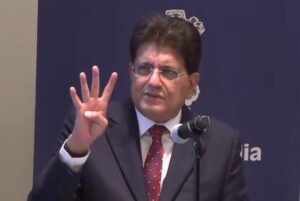
Union minister of state for science and technology Jitendra Singh speaks during a Doordarshan News podcast, highlighting India's technological transformation and the role of innovation, research and emerging technologies in achieving the vision of Viksit Bharat 2047.

New Delhi: The technological transformation witnessed over the last 12 years has laid the foundation for India’s journey towards becoming a developed nation by 2047, Union Minister of State (independent charge) for Science and Technology Dr Jitendra Singh said on Sunday.
Speaking during a podcast with Doordarshan News, the minister said India has undergone a fundamental shift in its scientific and technological capabilities under the leadership of Prime Minister Narendra Modi, evolving from a technology adopter to a technology innovator and global contributor.
“The last twelve years have witnessed India’s transition from a technology follower to a technology leader. The scientific capabilities, innovation ecosystem and technological infrastructure created during this period have laid the foundation for Viksit Bharat @2047,” he said.
According to the minister, science and technology have been brought to the centre of national policymaking, with increased private-sector participation, support for innovation-driven entrepreneurship and a focus on translating scientific advancements into public benefit. This approach, he said, has helped create a technology ecosystem that supports economic growth, strategic capability and efficient service delivery.
Highlighting achievements in frontier technologies, Jitendra Singh said India has made significant progress in sectors including space, nuclear energy, quantum technologies, biotechnology, artificial intelligence and clean energy. These advances, he noted, are collectively shaping the scientific foundation required for a developed India.
The minister pointed to the rapid expansion of India’s space sector following policy reforms that opened the industry to private participation. He said the number of space startups has grown from single digits to more than 400, while the country’s space economy, currently valued at around $9 billion, is expected to witness substantial growth in the coming years. Space technologies are increasingly supporting communications, governance, disaster management, agriculture and national security, he added.
On the energy front, Jitendra Singh described the advancement of the Prototype Fast Breeder Reactor as a major milestone in India’s long-term energy strategy, strengthening the country’s pathway towards energy security and self-reliance. He also highlighted recent reforms aimed at encouraging private-sector participation in the nuclear sector.
The minister said India is making rapid progress under the National Quantum Mission and has already achieved nearly half of its target of establishing a 2,000-kilometre quantum communication network. He noted that quantum technologies will play a critical role in secure communications, defence preparedness and next-generation digital infrastructure.
Discussing biotechnology, he said the BioE3 Policy is expected to drive a biotechnology-led industrial transformation through advances in genetics, bio-manufacturing, genome sequencing, rare disease treatment and indigenous drug development.
Jitendra Singh also underscored the growing importance of artificial intelligence, describing it as a transformative force across governance, healthcare, agriculture, scientific research and public services. He said the IndiaAI Mission is creating a strong foundation for future leadership in advanced digital technologies through investments in computing infrastructure, innovation and emerging applications.
The minister said India’s innovation ecosystem has expanded significantly over the last decade, reflected in rising patent filings, stronger global innovation rankings, growth in scientific publications and the country’s emergence as one of the world’s leading startup destinations. India is increasingly being recognised as a source of original innovation and solutions to global challenges, he added.
Looking ahead, Jitendra Singh identified sectors such as the blue economy, deep ocean resources, Himalayan bio-resources, advanced biotechnology and next-generation manufacturing as future engines of growth. He said the scientific confidence and innovation ecosystem built over the past 12 years have positioned India to emerge as a leading knowledge economy and realise the vision of Viksit Bharat by 2047.