Nano-Gold Embedded Thin Films Open New Possibilities for Self-Powered Wearable Electronics
Indian researchers develop ultrathin flexible film capable of converting tiny temperature fluctuations into electrical signals
The breakthrough addresses growing global demand for lightweight, flexible and low-power materials capable of harvesting ambient thermal energy for autonomous electronic systems.

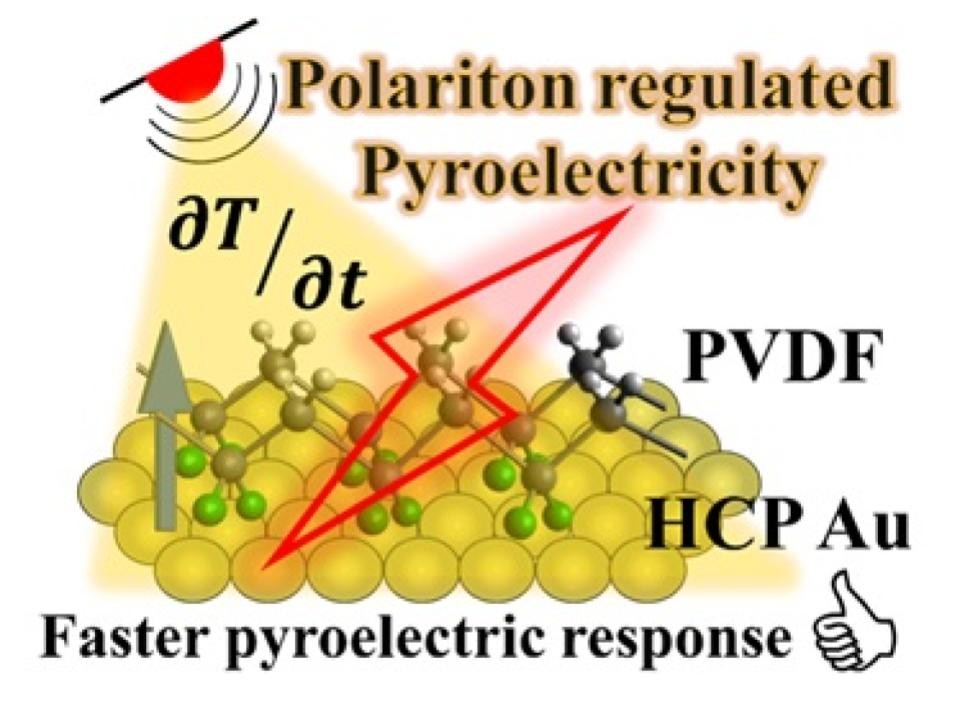
New Delhi: Scientists from the Institute of Nano Science and Technology (INST), Mohali, have developed an ultrathin flexible film embedded with nano-gold particles that can efficiently convert tiny temperature fluctuations into electrical signals, paving the way for next-generation self-powered sensors, wearable electronics and smart healthcare devices.
The breakthrough addresses growing global demand for lightweight, flexible and low-power materials capable of harvesting ambient thermal energy for autonomous electronic systems.
The research team, led by Prof. Dipankar Mandal along with collaborator Sudip Naskar, engineered ultrathin films using polyvinylidene fluoride (PVDF), a widely used ferroelectric polymer known for its flexibility and sensing capabilities.
By embedding minute hexagonal nano-gold particles into films thinner than 100 nanometres, the researchers achieved a highly ordered polar structure within the PVDF matrix, significantly enhancing the material’s pyroelectric performance — the ability to generate electricity from temperature changes.
According to the researchers, the integration of nano-gold particles improves dipole ordering, broadband optical absorption and thermal-to-electrical energy conversion efficiency through cooperative plasmon-dipole-electron interactions.
The newly developed hybrid thin film demonstrated efficient pyroelectric energy conversion within a narrow ambient temperature range of 294 to 301 Kelvin, making it particularly suitable for wearable devices, thermal sensors and low-grade heat harvesting applications.
Researchers said the innovation could support future development of smart photodetectors, flexible healthcare electronics, environmental monitoring systems and energy-efficient autonomous devices.
The findings have been published in the international journal Advanced Functional Materials. Researchers noted that unlike many earlier pyroelectric systems that relied on thicker or less controlled hybrid materials, the new ultrathin design offers improved flexibility, responsiveness and suitability for compact electronic applications.
The work was carried out at INST, an autonomous institute under the Department of Science and Technology, Government of India.