Seafood Exporters Meet 2026 Charts Roadmap to Scale Value-Added Exports
Centre pushes diversification, compliance and high-seas potential to achieve ₹1 lakh crore target New Delhi: The Department of Fisheries organised the Seafood Exporters Meet 2026 in New Delhi, with a
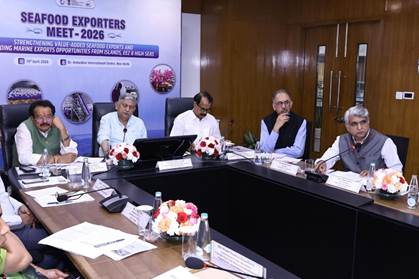
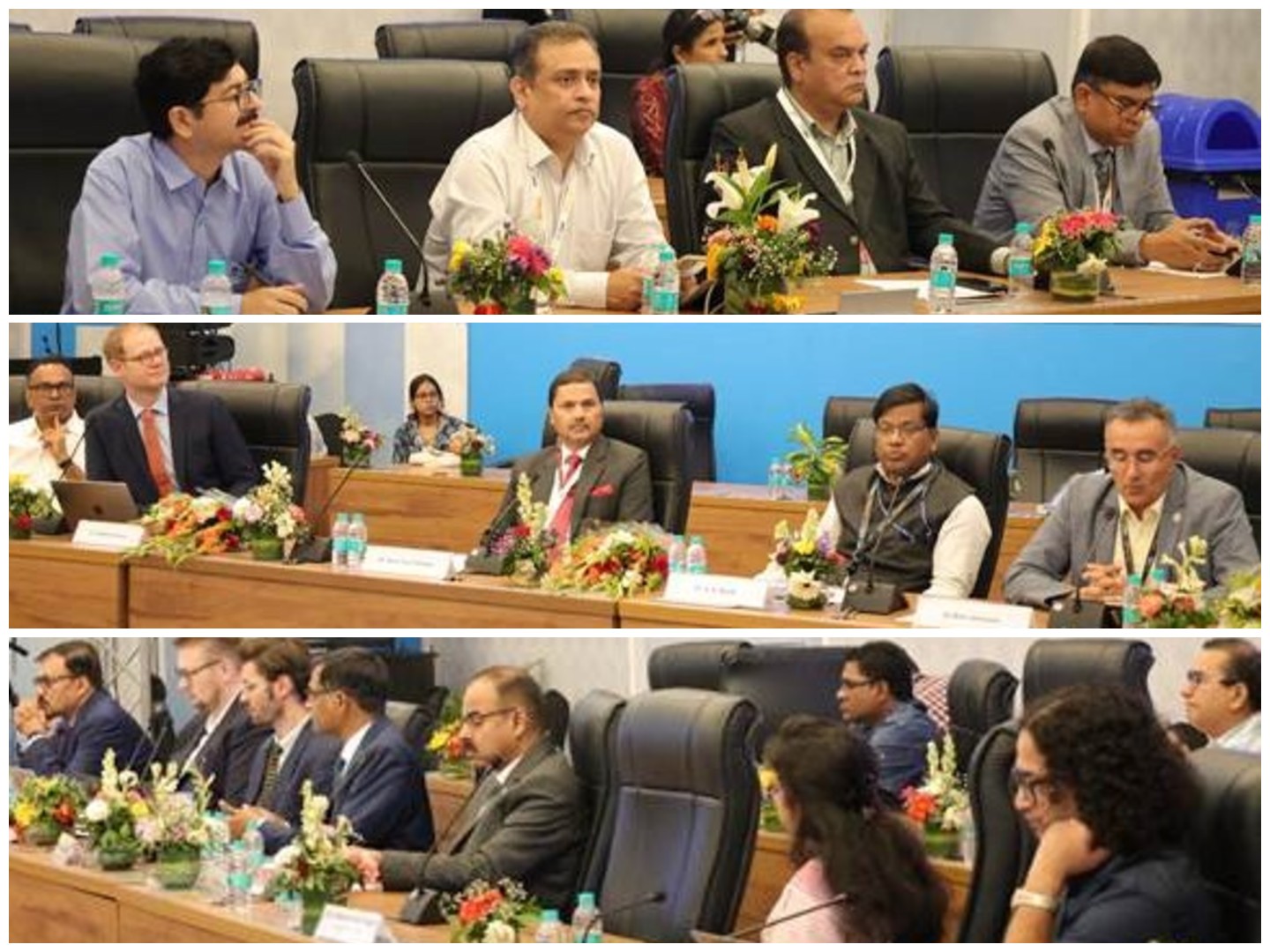
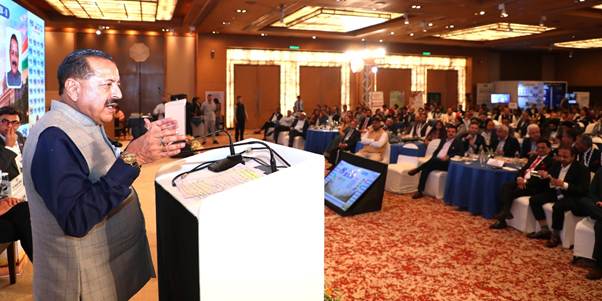
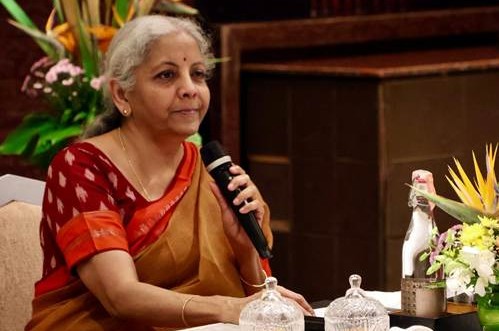
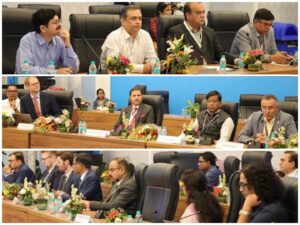
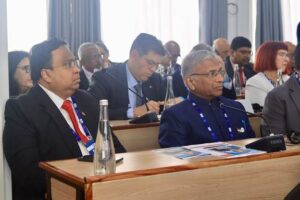
The meeting, chaired by Union Minister for Fisheries, Animal Husbandry & Dairying Rajiv Ranjan Singh, brought together policymakers, exporters and industry stakeholders to deliberate on strategies for strengthening the marine export ecosystem and addressing key challenges such as market access and pricing pressures.

Centre pushes diversification, compliance and high-seas potential to achieve ₹1 lakh crore target
New Delhi: The Department of Fisheries organised the Seafood Exporters Meet 2026 in New Delhi, with a focus on expanding India’s global seafood market presence through value addition, diversification and improved compliance frameworks.
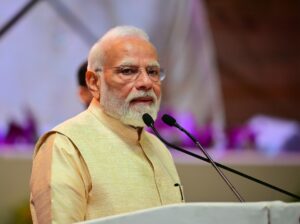
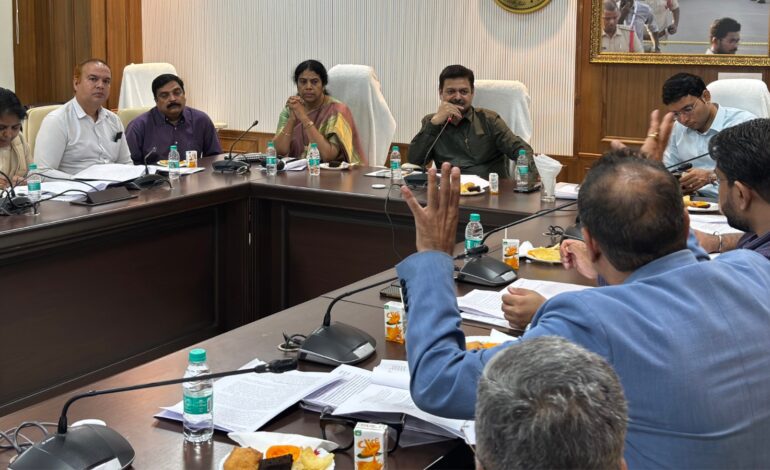
The meeting, chaired by Union Minister for Fisheries, Animal Husbandry & Dairying Rajiv Ranjan Singh, brought together policymakers, exporters and industry stakeholders to deliberate on strategies for strengthening the marine export ecosystem and addressing key challenges such as market access and pricing pressures.
The minister highlighted that India’s seafood exports have shown robust growth despite global uncertainties, driven largely by non-US markets. He stressed the need for product and market diversification, strict adherence to regulatory standards, including antibiotic compliance, and the strengthening of traceability systems.
Emphasising the untapped potential of India’s Exclusive Economic Zone (EEZ) and high seas, he called for enhanced focus on high-value species such as tuna, along with improved onboard handling, cold-chain infrastructure, packaging and value addition to minimise post-harvest losses.
The government is operationalising EEZ rules through access passes, with priority for cooperative societies to ensure inclusive growth. Exporters were also encouraged to adopt an open-market approach and work towards achieving the ₹1 lakh crore export target, with institutional support from agencies such as NABARD, NCDC and the Export Inspection Council.
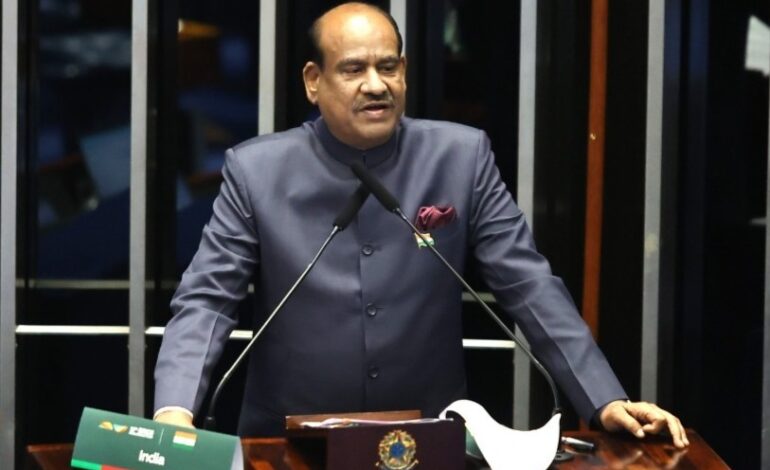
George Kurian, minister of state, underscored the importance of compliance, certifications and logistics strengthening to sustain export growth, while Abhilaksh Likhi, secretary, Department of Fisheries, highlighted ongoing efforts to diversify markets in coordination with MPEDA, EIC and the Department of Commerce.
He noted that diplomatic engagement with nearly 40 countries has opened new opportunities, particularly for value-added segments such as ready-to-eat and ready-to-cook seafood products.
Industry stakeholders flagged challenges including tariff and non-tariff barriers, high compliance costs, gaps in processing capacity and cold-chain infrastructure, and the need for stronger traceability and quality assurance systems.
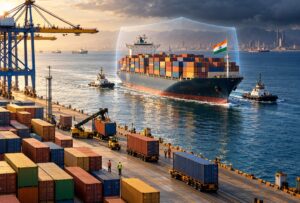
According to official data, India’s seafood exports have grown at an average annual rate of 7 percent over the past decade, rising from ₹30,213 crore in 2013-14 to ₹62,408 crore in 2024-25, with shrimp exports accounting for a major share.
The government is promoting diversification of the export basket and strengthening the value chain under the Pradhan Mantri Matsya Sampada Yojana, with investments in infrastructure, cold-chain networks, modern fishing harbours and capacity building to enhance global competitiveness.