Trucks-on-Trains Drives Strategic Shift from Road to Rail on Dedicated Freight Corridor
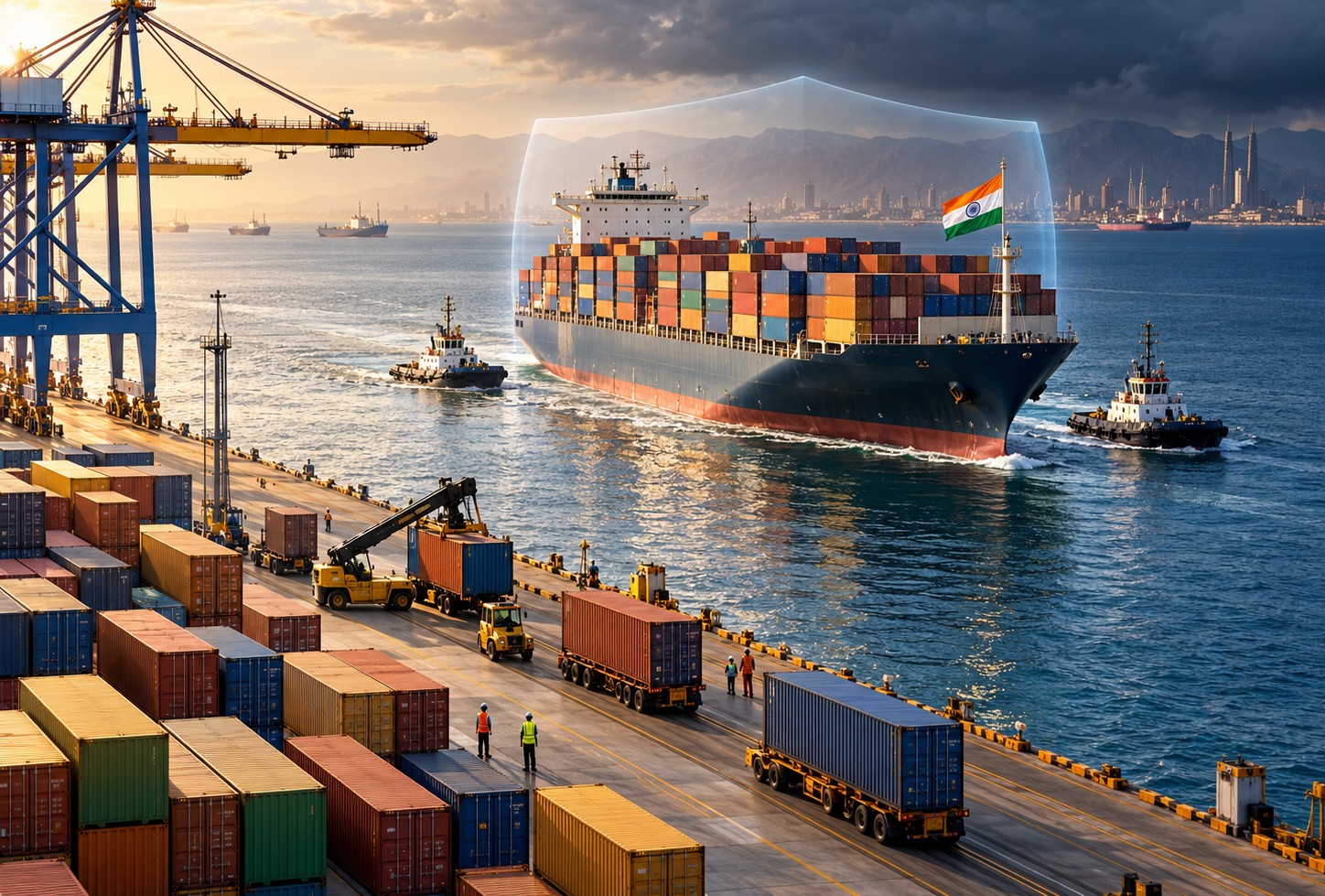
PALANPUR–REWARI: Indian Railways has operationalised the Trucks-on-Trains service on the Western Dedicated Freight Corridor, positioning it as a key instrument in India’s push towards efficient, cleaner and cost-effective multimodal logistics.
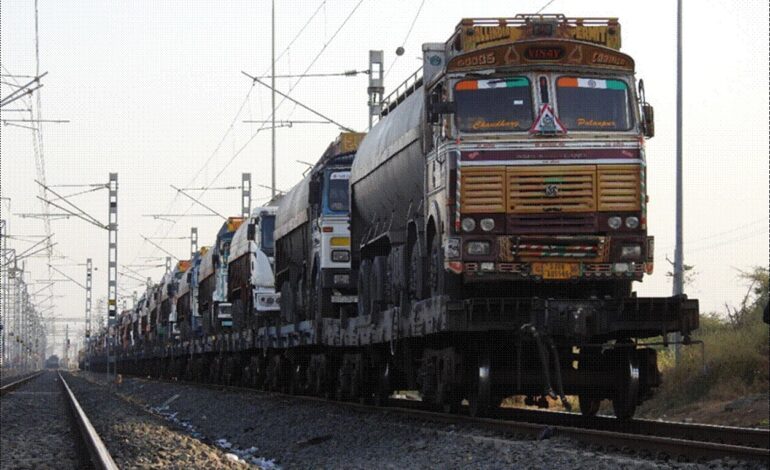
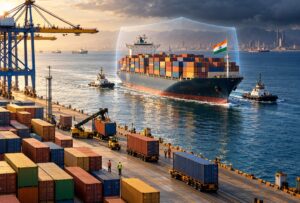
Trucks-on-Trains in action on the Western Dedicated Freight Corridor, with loaded road vehicles transported on flat wagons to shift long-haul freight from highways to electrified rail, reducing transit time, congestion and emissions.

PALANPUR–REWARI: Indian Railways has operationalised the Trucks-on-Trains service on the Western Dedicated Freight Corridor, positioning it as a key instrument in India’s push towards efficient, cleaner and cost-effective multimodal logistics. The service enables loaded trucks to be carried on specially designed flat wagons for the long-haul segment, combining road flexibility with the speed, reliability and energy efficiency of electrified rail infrastructure.
Currently operating between New Palanpur and New Rewari, the Trucks-on-Trains service covers about 636 km and has reduced end-to-end transit time from nearly 30 hours by road to around 12 hours. Trucks undertake only first- and last-mile road movement, while the core journey shifts to rail, insulating freight from highway congestion, toll delays and weather-related disruptions.
Indian Railways introduced the service as part of its long-term freight transformation strategy anchored by the Dedicated Freight Corridor network. Pricing is structured on transparent weight slabs, with freight charges starting at ₹25,543 per wagon for trucks up to 25 tonnes and rising to ₹32,000 for trucks weighing 45–58 tonnes. Empty trucks are carried at ₹21,894 per wagon. Milk tankers are exempted from GST, giving a boost to time-sensitive dairy logistics. Open Indent booking has been available since January 2024.
Operational data for FY 2025 (April–December) indicates strong traction. The service handled 545 rakes, moved over 3 lakh tonnes of freight and generated revenue of ₹36.95 crore. New Palanpur accounted for 273 rakes, more than 2 lakh tonnes of freight and ₹20.18 crore in revenue, while New Rewari handled 272 rakes, around 1 lakh tonnes and ₹16.76 crore. Major users include Gujarat Cooperative Milk Marketing Federation and other logistics service providers in dairy and FMCG segments. The relaunch of the service under a memorandum of understanding with GCMMF in June 2023 helped stabilise regular volumes.
Railway officials see the initiative as a decisive modal shift from road to rail for long-haul freight. Each train replaces dozens of trucks on highways, easing congestion, lowering accident risks and cutting diesel consumption. Transporters also benefit from bypassing highway tolls, improving cost predictability for long-distance movements.
Environmental gains are central to the model. The fully electrified Dedicated Freight Corridor significantly reduces emissions of carbon dioxide, nitrogen oxides and particulate matter. On the Palanpur–Rewari stretch alone, shifting trucking to rail removes an estimated 48,875 trucks from highways for the core journey, saves about 88.81 lakh litres of diesel and avoids roughly 23.09 crore kg of CO₂ emissions. Reduced heavy truck traffic also curbs road dust pollution and lowers road maintenance costs.
The service offers higher resilience during adverse weather, particularly in northern India where fog often disrupts road transport. Dedicated freight corridors, equipped with advanced signalling and controlled right-of-way, ensure more reliable schedules. Shorter continuous driving hours for truck drivers improve safety and working conditions.
Since inception, Trucks-on-Trains has completed over 1,955 trips, moved more than one million tonnes of freight and generated cumulative revenue exceeding ₹131 crore. Indian Railways plans to scale up the service through new Flat Multipurpose wagon designs, additional origin–destination points and expanded terminal infrastructure across the DFC network.
Officials say the model supports perishable and agricultural supply chains by enabling faster, predictable movement from production centres to distant markets. As part of Dedicated Freight Corridor Corporation of India Limited’s broader multimodal vision, Trucks-on-Trains is positioned as a structural shift in India’s freight transport system, aligning economic efficiency with environmental responsibility.