India Assumes Chair of Global IT Security Standards Body CCDB
Leadership role under Common Criteria Recognition Arrangement strengthens India’s position in global cybersecurity governance
The appointment marks a significant milestone for India in the global cybersecurity and IT security standards ecosystem, reflecting the country’s expanding influence in international digital governance and secure technology frameworks.

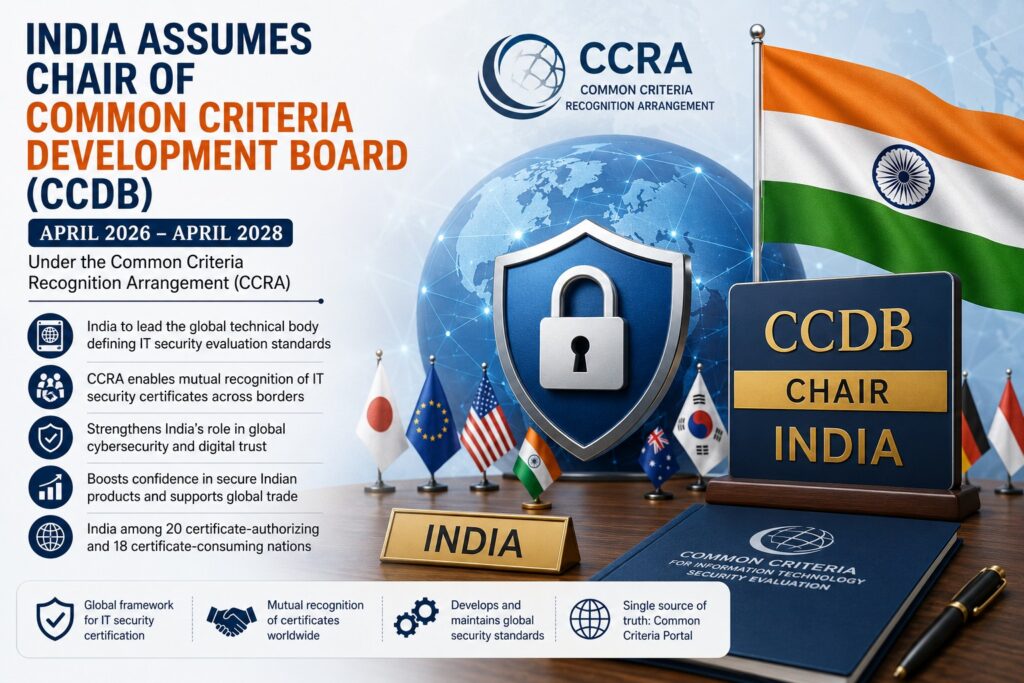
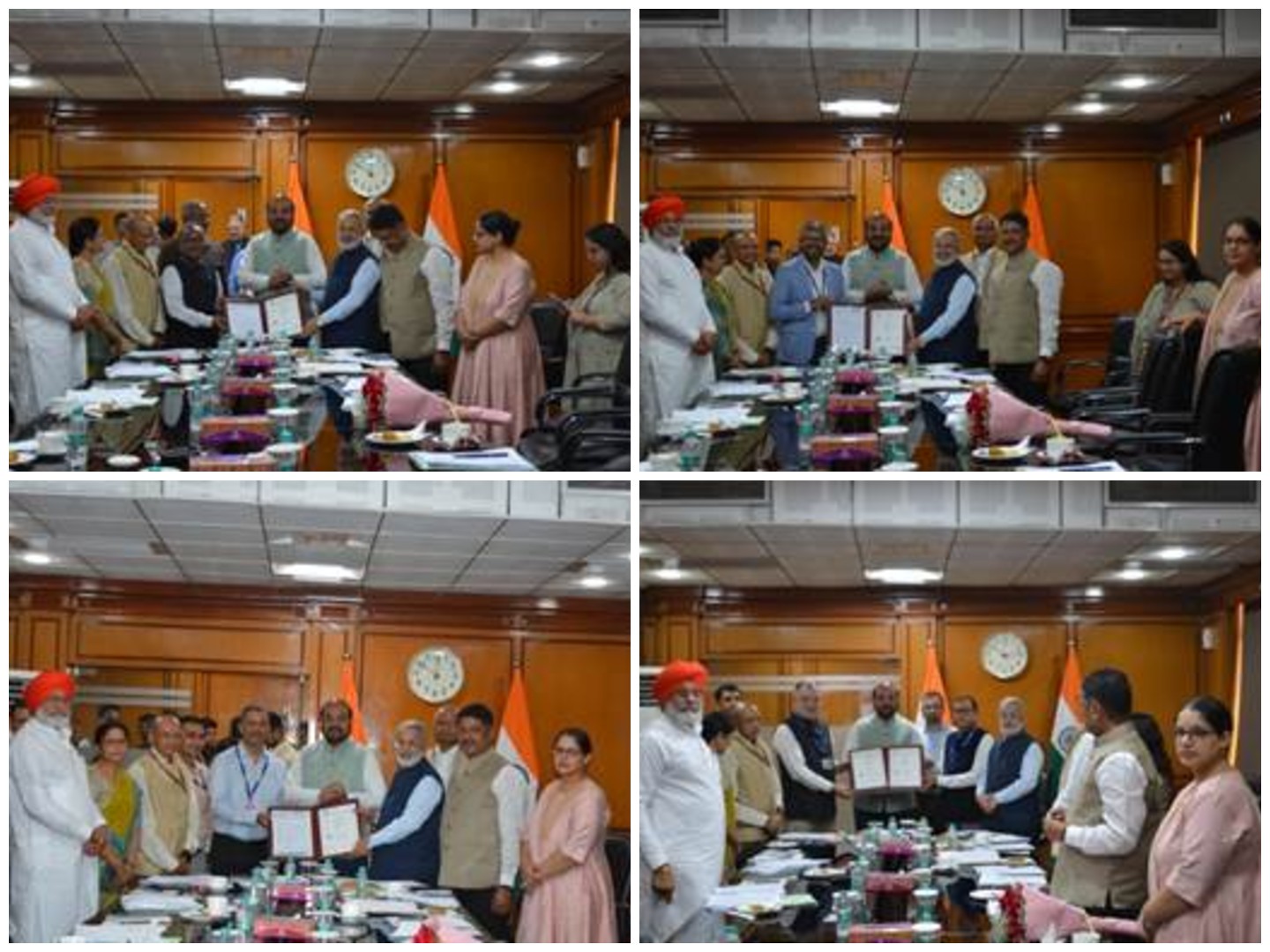
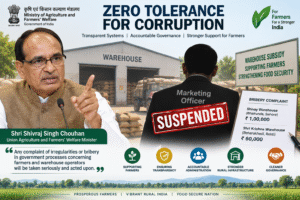
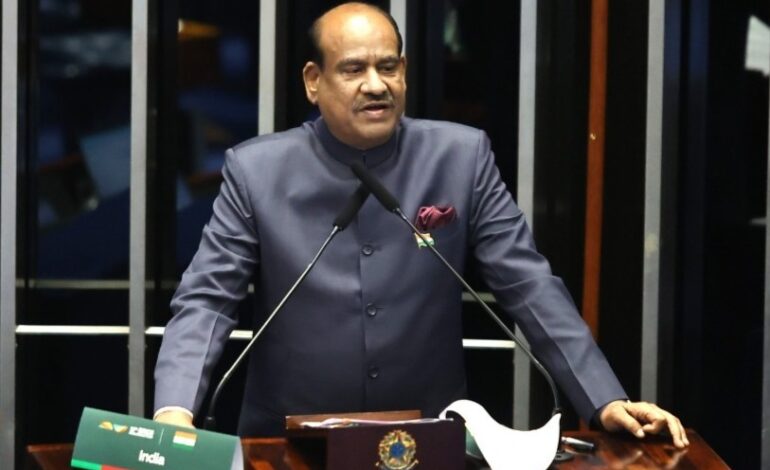
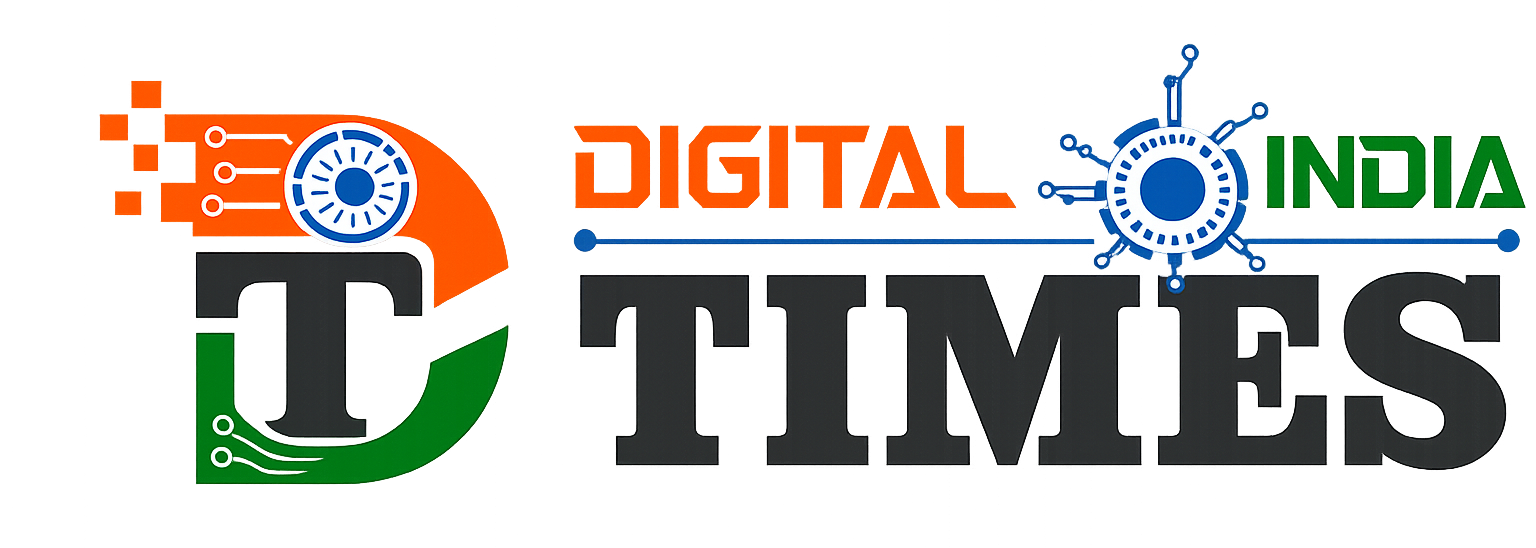
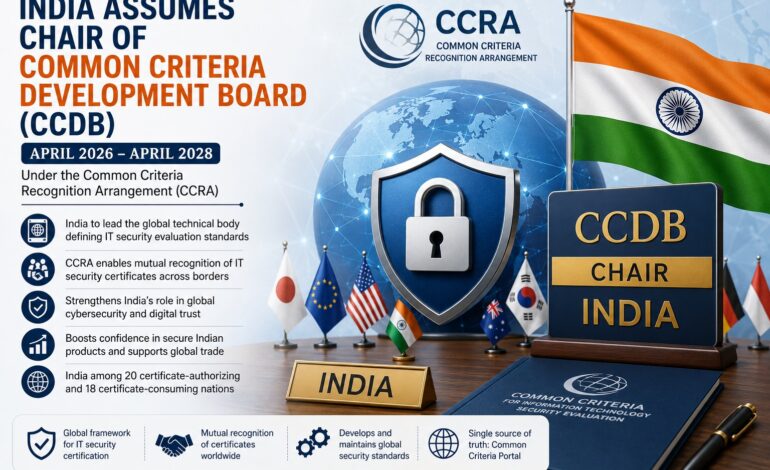
New Delhi: India has assumed the Chair of the Common Criteria Development Board (CCDB), the technical standards body under the Common Criteria Recognition Arrangement (CCRA), for the term April 2026 to April 2028.
The nomination was confirmed during the first quarter meeting of the CCRA held in Tokyo from April 14 to 16, 2026.
The appointment marks a significant milestone for India in the global cybersecurity and IT security standards ecosystem, reflecting the country’s expanding influence in international digital governance and secure technology frameworks.
What Is the CCRA?
The Common Criteria Recognition Arrangement is an international treaty framework that enables mutual recognition of IT security certificates issued by member countries.
It provides the global foundation for evaluating and certifying the security of IT products such as:
- operating systems
- networking equipment
- encryption devices
- cybersecurity software
- secure hardware platforms
Under the arrangement, products certified in one member country are accepted across other participating nations without requiring re-certification, thereby facilitating international trade in secure digital products.
The CCRA currently includes:
- 20 certificate-authorising nations
- 18 certificate-consuming nations
Together, these countries maintain the Common Criteria Portal, regarded as the authoritative global repository for certified secure IT products.
CCDB: The Technical Core of Global IT Security Standards
While several committees under the CCRA deal with governance and policy matters, the Common Criteria Development Board functions as the technical backbone of the arrangement.
The CCDB is responsible for:
- managing the international work programme for Common Criteria (CC)
- overseeing the Common Methodology for Information Technology Security Evaluation (CEM)
- defining technical evaluation standards
- updating security methodologies for emerging technologies
- ensuring consistency in global IT product certification frameworks
In practical terms, the board helps determine how secure IT products are evaluated internationally.
India’s leadership of the CCDB therefore places the country in a position to influence the future direction of global cybersecurity certification standards at a time when AI systems, cloud infrastructure, semiconductor security and digital public infrastructure are becoming strategically critical.
India’s Expanding Role in Global Cybersecurity Governance
India became a member of the CCRA on September 16, 2013, as a Certificate Authorizing Nation.
The country participates through the ministry of electronics and information technology (MeitY) and the STQC Directorate, which functions as India’s official certification body for IT security evaluations.
Over the past decade, India’s digital infrastructure expansion — including Digital Public Infrastructure (DPI), UPI, Aadhaar, semiconductor ambitions and AI initiatives — has significantly increased the strategic importance of cybersecurity and trusted technology certification.
India’s assumption of the CCDB chairmanship is therefore being viewed not merely as a ceremonial appointment but as recognition of the country’s growing technical capabilities and institutional maturity in cybersecurity standards development.
Strategic Implications for India
The chairmanship comes at a time when nations worldwide are intensifying efforts to secure:
- critical digital infrastructure
- government technology systems
- cloud platforms
- AI ecosystems
- connected devices
- telecommunications networks
As cyber threats become increasingly sophisticated and geopolitically sensitive, control over security standards and certification methodologies has emerged as an important strategic domain.
India’s leadership role may help:
- strengthen domestic cybersecurity capabilities
- boost trust in Indian secure technology products
- support Indian IT and electronics exports
- enhance India’s influence in international digital governance
- align emerging technologies with India’s security priorities
The position may also support India’s ambitions to become a trusted global manufacturing and technology hub under initiatives such as Digital India, Make in India and semiconductor mission programmes.
Beyond Certification: The Geopolitics of Trusted Technology
The appointment also reflects a broader geopolitical shift in global technology governance.
Countries are increasingly focusing on:
- supply-chain security
- sovereign digital infrastructure
- trusted hardware ecosystems
- secure software certification
- AI governance frameworks
In this environment, international security certification standards are no longer viewed as purely technical mechanisms. They are becoming instruments of strategic trust and digital sovereignty.
India’s stewardship of the CCDB over the next two years places it at the centre of discussions shaping how future technologies are evaluated, trusted and deployed globally.
For India, the chairmanship represents not only a technical achievement but also an assertion of its growing role in shaping the architecture of the global digital order.