PM Modi embarks on four-day Central Asia visit, says India seeks deeper strategic ties
Prime Minister Narendra Modi has embarked on a four-day visit to Uzbekistan and Kyrgyzstan, with deeper cooperation in trade, digital connectivity, defence and energy on the agenda.
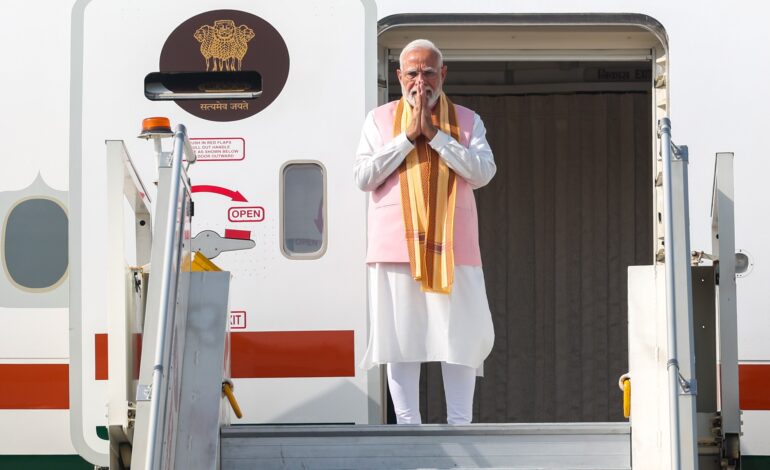
PM emplanes for Uzbekistan from New Delhi on the first leg of his, two-nation visit to Uzbekistan and Kyrgyzstan on August 29, 2026.

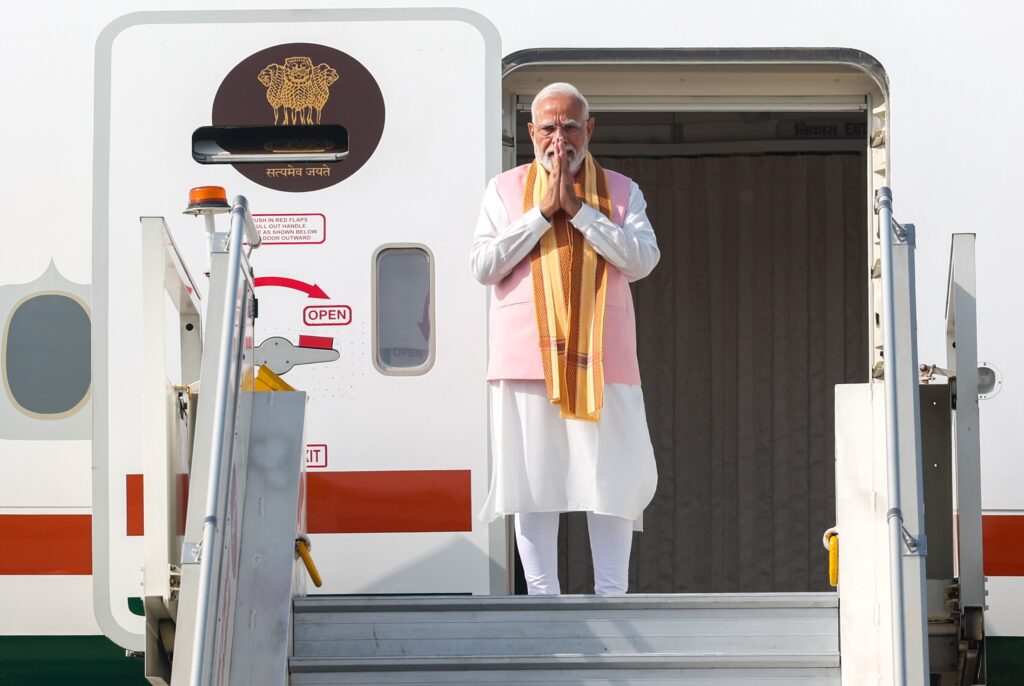
NEW DELHI: Prime Minister Narendra Modi on Saturday embarked on a four-day visit to Uzbekistan and the Kyrgyz Republic, with strengthening India’s strategic partnerships in Central Asia, expanding economic and technological cooperation and advancing regional security expected to be key themes of his engagements.
In a departure statement issued before leaving for the two countries, Modi said he was travelling from August 29 to September 1, 2026, beginning with a State Visit to Uzbekistan at the invitation of President Shavkat Mirziyoyev.
The Prime Minister said India-Uzbekistan relations had made “significant advancement” in recent years and that his discussions with Mirziyoyev would focus on further deepening cooperation in trade and investment, digital connectivity, defence and energy.
He will also discuss the two countries’ development visions – Viksit Bharat and Yangi Uzbekistan – as New Delhi and Tashkent seek to broaden their strategic partnership.
From Tashkent to Bishkek
Modi’s Uzbekistan visit will be followed by his travel to Bishkek, at the invitation of Kyrgyz President Sadyr Zhaparov, to participate in the 26th Summit of the Shanghai Cooperation Organisation (SCO).
The summit has added significance for India and other member states as the SCO marks 25 years of its existence.
India has been a member of the organisation since 2017. Modi said India would seek to advance its regional vision through the three interconnected themes of security, connectivity and opportunity.
He is also expected to engage with other SCO leaders on regional challenges, particularly terrorism, separatism and extremism.
“These continue to threaten peace and stability in our neighbourhood and beyond,” Modi said in his departure statement.
Cultural diplomacy alongside strategic engagement
The Prime Minister’s itinerary also includes engagements highlighting India’s historical and cultural links with Central Asia.
In Tashkent, he will visit the Shastri Memorial and the Mahatma Gandhi Centre at Tashkent State University of Oriental Studies, describing the visits as a tribute to the close cultural and people-to-people ties between India and Uzbekistan.
In Bishkek, Modi will attend the opening ceremony of the 6th World Nomad Games, an event showcasing the living cultural and sporting traditions of Central Asia.
A broader Central Asia push
The four-day visit brings together India’s economic, strategic, security and cultural priorities in Central Asia.
While the Uzbekistan leg is focused substantially on strengthening a bilateral strategic partnership, the Kyrgyzstan leg places India in a wider multilateral setting through the SCO, alongside an opportunity to engage directly with Central Asian leaders.
Modi said he was confident that the visit would strengthen India’s strategic partnerships in Central Asia, deepen the country’s civilisational connect with the region and advance the shared pursuit of peace, stability and prosperity.
The PM’s visit marks another high-level push by New Delhi to position Central Asia as an important component of India’s broader strategic and economic engagement with the wider Eurasian region.