No Reason for Panic Over May Heat; Follow Advisories, Take Simple Precautions: Dr Jitendra Singh
IMD outlook indicates regional heatwave patterns, government stresses awareness and preparedness
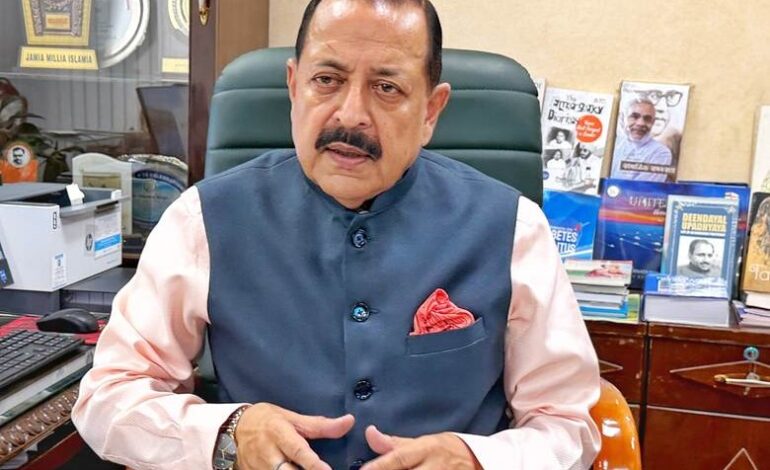
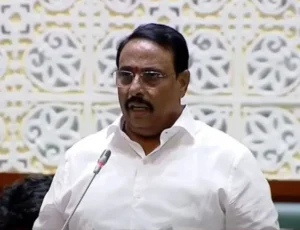
Union minister Dr Jitendra Singh briefs the media about the heatwave conditions expected during May 2026 in New Delhi on Saturday.

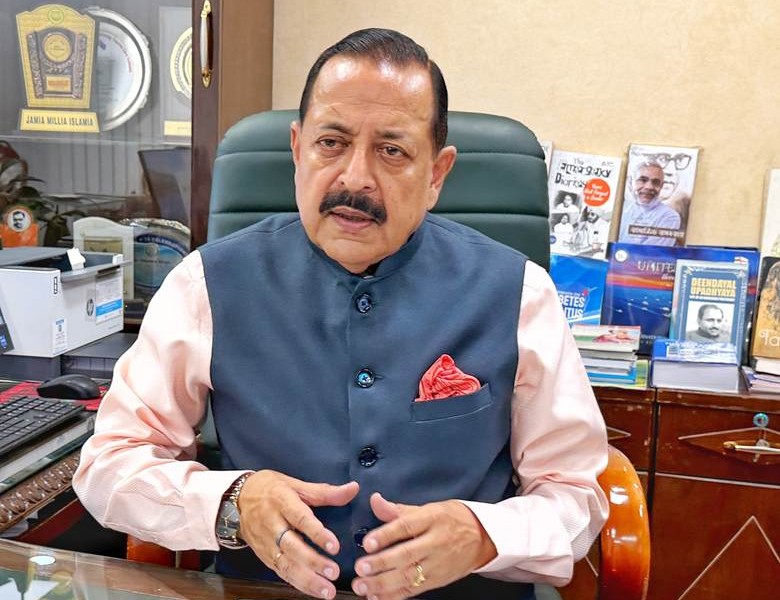
New Delhi: The Centre has urged citizens not to panic over the heat conditions expected during May, emphasising that the situation can be effectively managed through awareness and simple precautions.
Union minister Jitendra Singh said that while some regions may experience above-normal temperatures and heatwave conditions, these are not uniform across the country and should not trigger unwarranted concern.
Briefing the media here on Saturday, the minister noted that the advisory is based on the latest outlook issued by the India Meteorological Department. The forecast indicates above-normal maximum temperatures over southern peninsular regions, parts of the northeast and northwest, while large parts of the country are likely to experience normal to below-normal temperatures during several phases of the month.
Heatwave conditions are expected in select regions including the Himalayan foothills, parts of the east coast such as Odisha, coastal Andhra Pradesh and adjoining Tamil Nadu, as well as Gujarat and Maharashtra. These areas may see an increase of two to four heatwave days above normal levels.
The extended-range forecast suggests relatively higher temperatures during the second week (May 8–14) and fourth week (May 22–28), potentially impacting parts of northwest, central and western India along with the east coast. In contrast, the first and third weeks are likely to see moderation in temperatures due to rainfall and cloud cover driven by western disturbances and thunderstorms.
The minister pointed out that higher nighttime temperatures could add to discomfort, particularly in urban and coastal regions, while hot and humid conditions are expected along the east coast and parts of western India.
On the global climate front, prevailing ENSO-neutral conditions may transition toward El Niño during the southwest monsoon season, which could influence broader weather patterns.
The government, he said, is fully prepared to manage heat-related conditions, with coordinated efforts underway at state and district levels to ensure adequate drinking water supply, cooling arrangements and uninterrupted power. Special attention is being given to vulnerable groups, including infants, the elderly and outdoor workers.
For the agriculture sector, prevailing conditions remain favourable for harvesting late Rabi crops in northern and northwestern regions. However, localized heat stress may affect certain summer crops such as rice, maize and pulses in southern and northeastern parts of the country. Farmers have been advised to plan field activities during cooler hours, maintain light and frequent irrigation, and take measures to protect livestock.
Issuing a public advisory, Singh urged citizens to stay hydrated, avoid prolonged exposure during peak heat hours, and monitor official updates. He emphasised that India’s forecasting systems have significantly improved, enabling timely alerts and better preparedness.
Updated weather information and advisories are available through official platforms including IMD’s website and mobile applications, ensuring citizens have access to real-time guidance during the summer season.