National Health Summit Highlights Best Practices, Calls for Data-Driven Reforms under NHM
17th Common Review Mission findings guide next phase of inclusive and resilient healthcare system strengthening
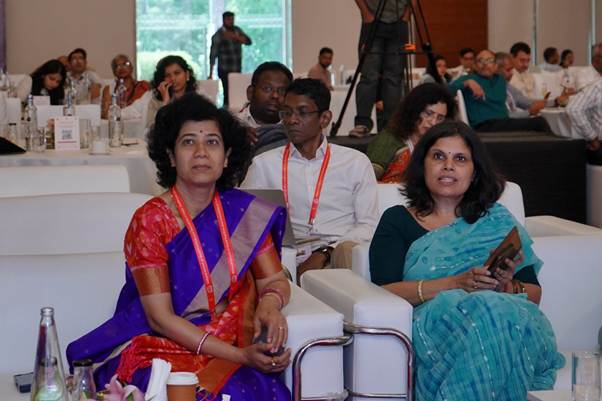
The deliberations highlighted significant progress in operationalising Ayushman Arogya Mandirs, expanding comprehensive primary healthcare services, and accelerating digital health adoption.

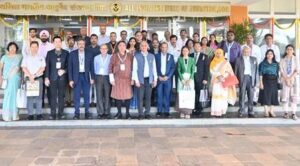
New Delhi: The national summit on “Innovation and Inclusivity: Best Practices Shaping India’s Health Future” concluded with a strong focus on evidence-based reforms, digital health expansion, and strengthening primary healthcare systems under the National Health Mission (NHM).
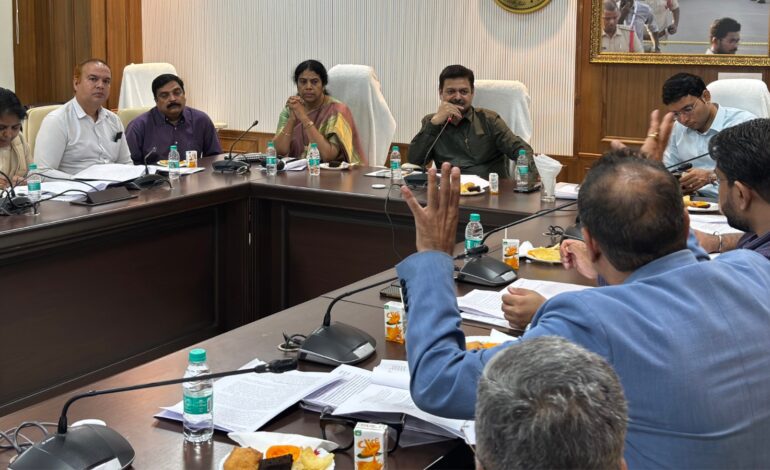
The two-day summit brought together stakeholders from across states and Union Territories to deliberate on findings from the 17th Common Review Mission (CRM), a key mechanism for independent assessment of health system performance.
The deliberations highlighted significant progress in operationalising Ayushman Arogya Mandirs, expanding comprehensive primary healthcare services, and accelerating digital health adoption. Improvements were also noted in maternal and child health services, management of non-communicable diseases, and teleconsultation-based access to care.
At the same time, discussions identified critical gaps requiring attention, including optimal deployment of human resources, ensuring availability of essential drugs and diagnostics, and improving healthcare outreach in remote and underserved regions. Strengthening data quality and leveraging digital platforms for real-time monitoring emerged as key priorities.
In her closing remarks, Aradhna Patnaik, Additional Secretary and Mission Director, NHM, emphasized aligning ongoing interventions with Sustainable Development Goals (SDGs) 2030 targets. She underlined that digital transformation must remain inclusive, ensuring accessibility for vulnerable populations while strengthening frontline health worker capacity.
The summit also showcased innovative and replicable best practices from across states. These included Gujarat’s audit-driven TB control model, Tamil Nadu’s integrated approach to student mental health, Kerala’s antibiotic stewardship under a One Health framework, and Assam’s maternal and child health initiative. Other notable interventions ranged from malaria control in Chhattisgarh to geriatric care services in Odisha and supply chain strengthening in Jammu & Kashmir.
The ministry underscored the importance of scaling such models with contextual adaptation, while fostering inter-state collaboration and continuous learning.
The summit concluded with a reaffirmation of the government’s commitment to cooperative federalism and system-wide transformation, positioning the Common Review Mission as a critical tool for accountability, policy refinement, and building a resilient, inclusive, and future-ready public health system.