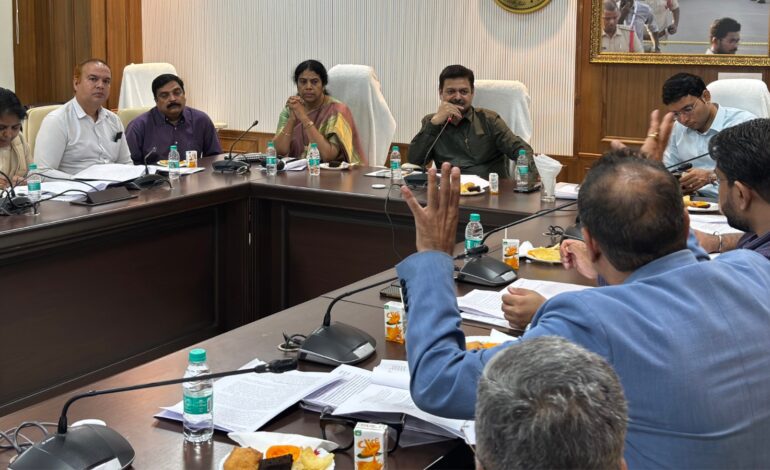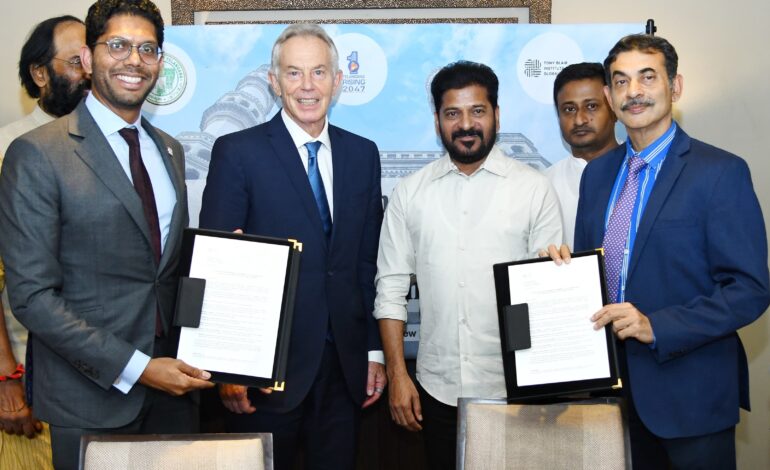
Government moves to tighten action on exam paper leaks amid growing pressure over NEET controversy
The Prime Minister said the Union Cabinet will consider stricter measures against examination malpractices, including fast-track courts, while also sharing a personal message wishing Sonam a speedy recovery.
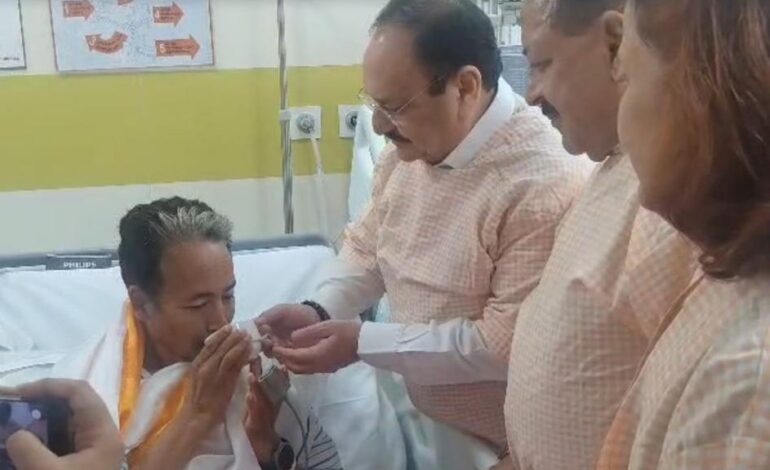
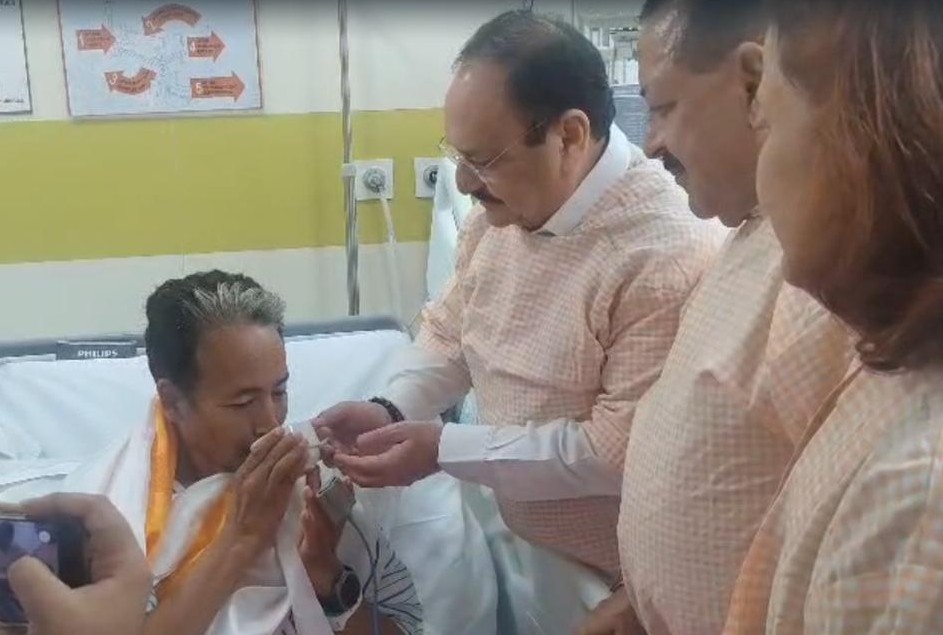
Union Ministers J.P. Nadda and Jitendra Singh, along with senior government officials, meet activist Sonam Wangchuk at the hospital as he ends his hunger strike.

NEW DELHI: The Centre has stepped up its response to the controversy over examination paper leaks, announcing tougher legal measures while initiating administrative changes and outreach efforts amid mounting protests over alleged irregularities in the National Eligibility cum Entrance Test (NEET).
Prime Minister Narendra Modi said the Union Cabinet would consider stricter measures against examination paper leaks, including a proposal to establish fast-track courts for speedy disposal of such cases. In a video message posted on social media, he said paper leaks cause immense hardship to lakhs of students and reiterated the government’s commitment to taking stringent action against those responsible.
The announcement comes at a time when the government is facing sustained pressure from student groups and civil society organisations seeking greater accountability for the handling of examination irregularities. Protesters have also demanded action against officials responsible for lapses in the examination process.
In a significant administrative move, the Centre transferred Higher Education Secretary Vineet Joshi to the Ministry of Panchayati Raj. Naresh Pal Gangwar has been appointed Secretary, Department of Higher Education, while T.K. Anil Kumar has been named Secretary, Department of School Education and Literacy.
The Delhi High Court has also designated a special court at the Rouse Avenue Court Complex to hear criminal cases related to examination paper leaks and other unfair practices in public examinations, complementing the Centre’s proposal to establish fast-track judicial mechanisms.
Government sources indicated that cases relating to paper leaks under the National Testing Agency (NTA) will continue to be dealt with under the Public Examinations (Prevention of Unfair Means) Act, 2024, and that states may be advised to establish similar fast-track courts in consultation with their respective High Courts.
The developments coincided with activist Sonam Wangchuk ending his hunger strike after discussions with Union Ministers. According to those associated with the talks, the government assured that cases against non-violent student protesters would be reviewed and that compensation for families of students who died by suicide would be considered. Discussions between the Centre and representatives of the protesters are expected to continue.
The Opposition, however, maintained its criticism of the government’s handling of the issue, arguing that institutional accountability must accompany legal and administrative reforms.
The Union Cabinet is expected to consider the proposed measures later today, with further details likely to emerge after the meeting.