Centre Weighs Delimitation Reset: Lok Sabha Strength May Rise to 816, States Set for 50% Seat Expansion
New Delhi: The Centre is considering a significant overhaul of India’s electoral architecture through a proposed delimitation exercise that could increase the strength of the Lok Sabha from the current
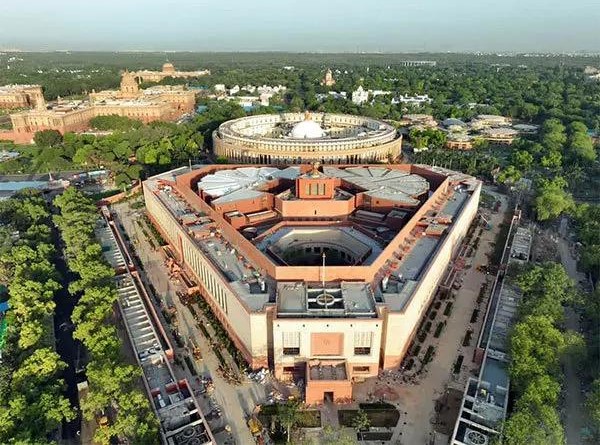
The reconfigured Lok Sabha is expected to come into effect from the 2029 general elections, following necessary constitutional amendments to raise the existing cap on parliamentary strength.

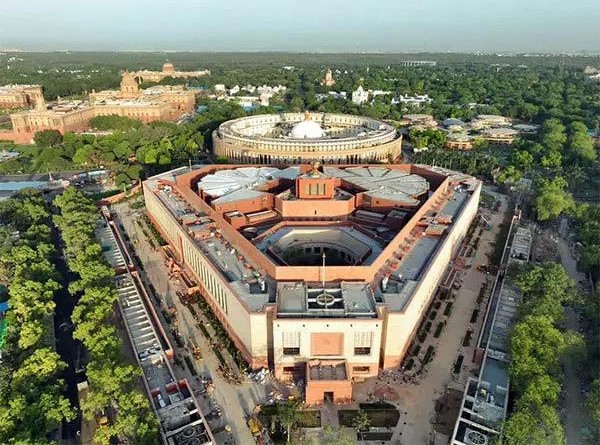
New Delhi: The Centre is considering a significant overhaul of India’s electoral architecture through a proposed delimitation exercise that could increase the strength of the Lok Sabha from the current 543 seats to as many as 816.
India currently has a total of 4,123 assembly constituencies (MLAs) across its 28 states and three Union Territories with legislatures, and this number is expected to increase by nearly 50%, taking the total strength to well over 6,000 under the proposed delimitation exercise.
The proposal, currently under discussion, is aimed at facilitating the implementation of the women’s reservation framework while addressing concerns around population-based representation. Sources indicate that nearly one-third of the expanded seats—around 273—could be reserved for women.
The reconfigured Lok Sabha is expected to come into effect from the 2029 general elections, following necessary constitutional amendments to raise the existing cap on parliamentary strength.
Seat Expansion Across States
Under the proposed model, the number of seats across states could increase by nearly 50%, while broadly maintaining the current proportional share of each state—an approach aimed at addressing concerns of imbalance between regions.
At current population ratios, major states are expected to see a sharp rise in representation:
- Uttar Pradesh: from 403 to around 520 seats
- Maharashtra: from 288 to around 360 seats
- West Bengal: from 294 to around 350 seats
- Telangana: from 119 to around 176
- Andhra Pradesh: from 175 to around 260
State legislative assemblies could also witness a corresponding increase in seats, with large states like Uttar Pradesh potentially crossing 600 assembly constituencies from the current 403.
Telangana is expected to see a substantial rise in representation under the proposed framework. Assembly constituencies in the state could increase from the current 119 to around 176, while Lok Sabha seats may go up from 17 to about 20.
This marks a significant jump beyond earlier projections under the Andhra Pradesh Reorganisation Act, which had pegged Telangana’s assembly strength at 153 seats post-delimitation.
Neighbouring Andhra Pradesh is also likely to see a sharp rise, with assembly segments projected to cross 260, reflecting the broader national trend of constituency expansion.
Decoupling from Census Timeline
The government is also exploring the option of delinking the implementation of women’s reservation from the next Census and delimitation cycle, enabling faster rollout of the quota through an interim seat expansion based on Census 2011 data.
This approach is seen as a workaround to delays in conducting the next Census, which is a prerequisite under the current constitutional framework for delimitation.
Constitutional and Political Implications
Implementing the proposal will require amendments to key constitutional provisions, including Article 81 (Lok Sabha strength) and Article 170 (state assemblies).
The move is also expected to revive the long-standing political debate over delimitation, particularly concerns from southern states about potential loss of relative influence if representation is strictly linked to population growth.
The delimitation exercise—last used to alter seat distribution based on the 1971 Census—has been frozen for decades and is scheduled to resume after 2026.
Towards a New Electoral Map
If implemented, the proposal would mark the most significant expansion of India’s parliamentary structure since Independence, reshaping both national and state-level political representation.
The government is currently engaging with political parties to build consensus on the roadmap, with further clarity expected in the coming months.