PM Modi Highlights Inclusive Innovation, Divyang Sahara Yojana in Post-Budget Webinar
New Delhi: Prime minister Narendra Modi on Tuesday emphasised inclusive innovation and greater public participation in policy implementation during a post-budget webinar, highlighting the government’s proposed Divyang Sahara Yojana aimed
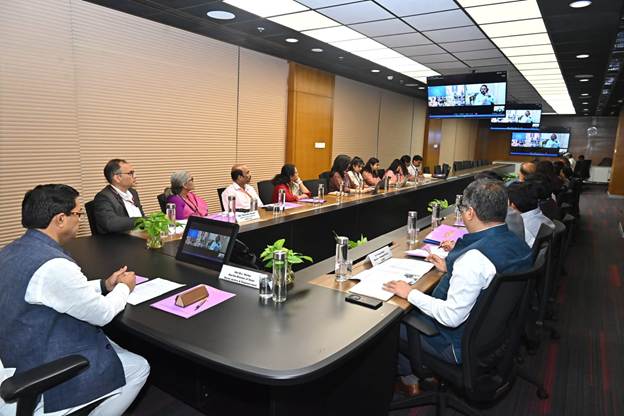
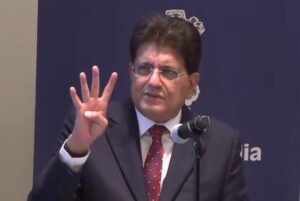
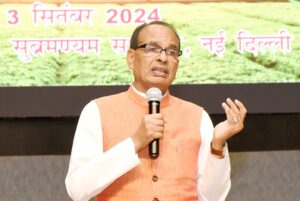
Addressing the webinar, Modi said the growing participation in post-budget consultations reflects the spirit of jan bhagidari and underlined that the aspirations and ideas of India’s youth are a key driver of the country’s progress toward an innovation-led economy.

New Delhi: Prime minister Narendra Modi on Tuesday emphasised inclusive innovation and greater public participation in policy implementation during a post-budget webinar, highlighting the government’s proposed Divyang Sahara Yojana aimed at expanding access to assistive technologies for persons with disabilities.
Addressing the webinar, Modi said the growing participation in post-budget consultations reflects the spirit of jan bhagidari and underlined that the aspirations and ideas of India’s youth are a key driver of the country’s progress toward an innovation-led economy. He stressed the need to continuously modernise the education system and incorporate ideas emerging from discussions involving stakeholders, experts and beneficiaries.
Minister of State for Social Justice and Empowerment BL Verma said the government has moved beyond a welfare approach toward enabling persons with disabilities to become active partners in nation-building. He noted that the proposed Divyang Sahara Yojana seeks to strengthen the manufacturing, innovation and distribution ecosystem for assistive technologies while improving timely access to quality devices.
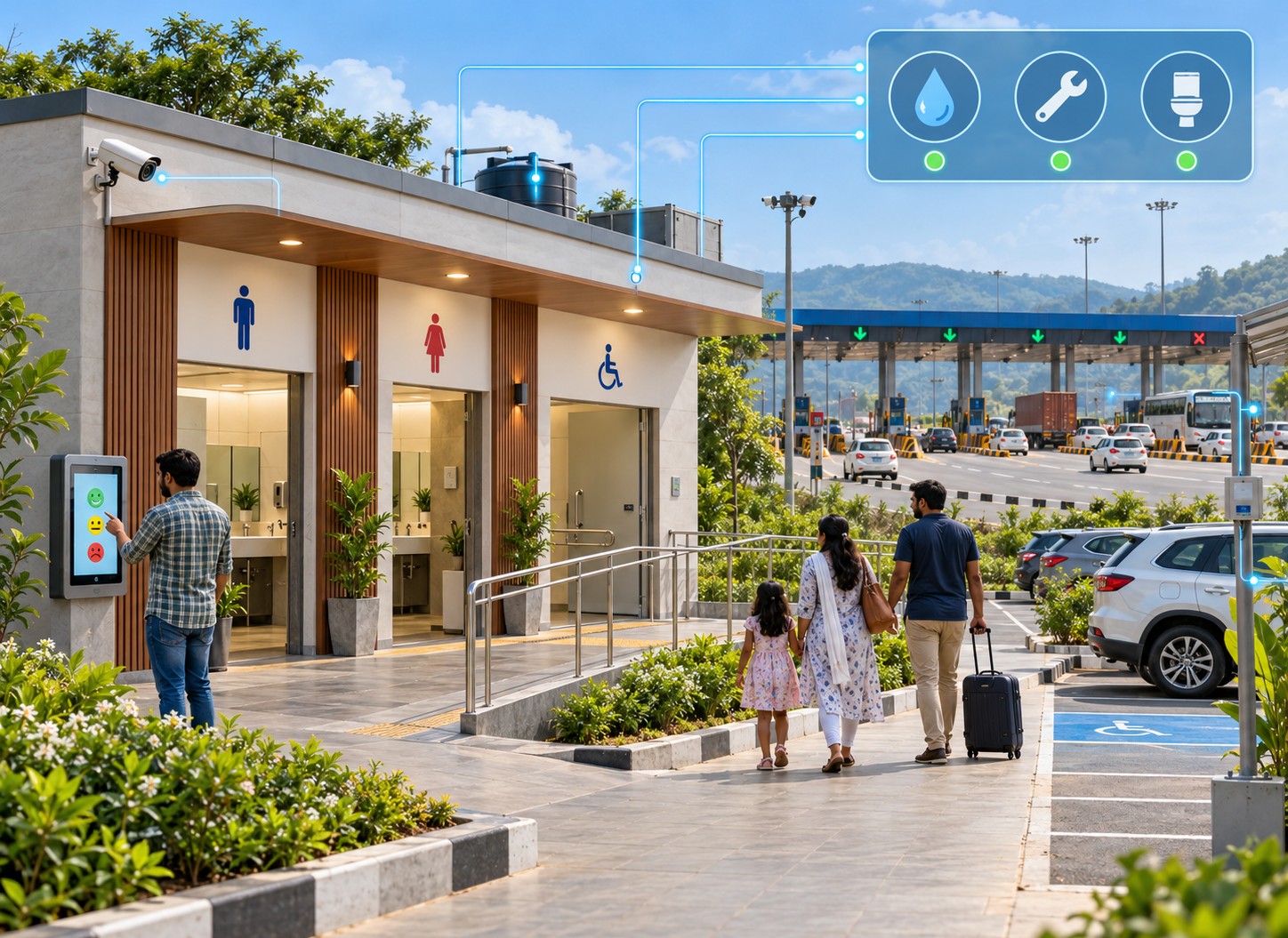
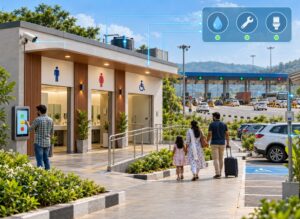
During the webinar, experts outlined a four-pillar framework—aspiration, availability, affordability and awareness—to expand access to assistive technologies through collaboration among government, startups, academia and investors. Participants also stressed the need for accessible infrastructure such as ramps, signage and barrier-free public spaces alongside the distribution of assistive devices.
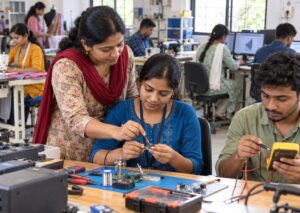
The initiative aims to expand access to advanced assistive technologies such as motorised wheelchairs, e-scooters, myoelectric hands and advanced orthotic systems that can enhance mobility, independence and employability for persons with disabilities.
The programme also proposes expanding Pradhan Mantri Divyasha-Vayoshri Kendras as assistive technology service hubs and establishing assistive technology marts where beneficiaries can test and select devices suited to their needs. It further seeks to strengthen domestic research and manufacturing through the Artificial Limbs Manufacturing Corporation of India, including a proposed R&D centre at the Andhra Pradesh MedTech Zone in Visakhapatnam.
NITI Aayog member VK Paul, summarising the discussions, highlighted the importance of technology partnerships, research and development, artificial intelligence integration and expanded service networks to advance the initiative and promote inclusive growth.