India, Germany deepen environmental cooperation at 4th Indo-German Environment Forum
India and Germany have agreed to deepen cooperation on climate action, wetlands, biodiversity and circular economy, with both sides highlighting technology, knowledge and institutional capacity.
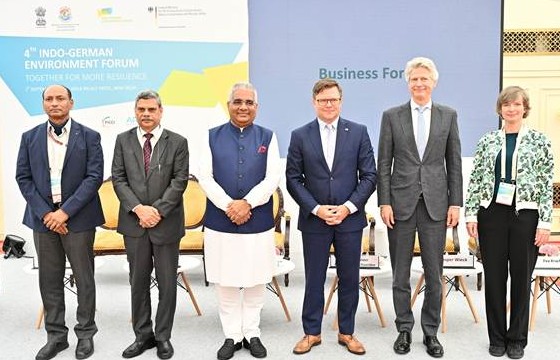
The IGEF is the highest-level bilateral forum between India and Germany on environmental policy and has been held since 2008.

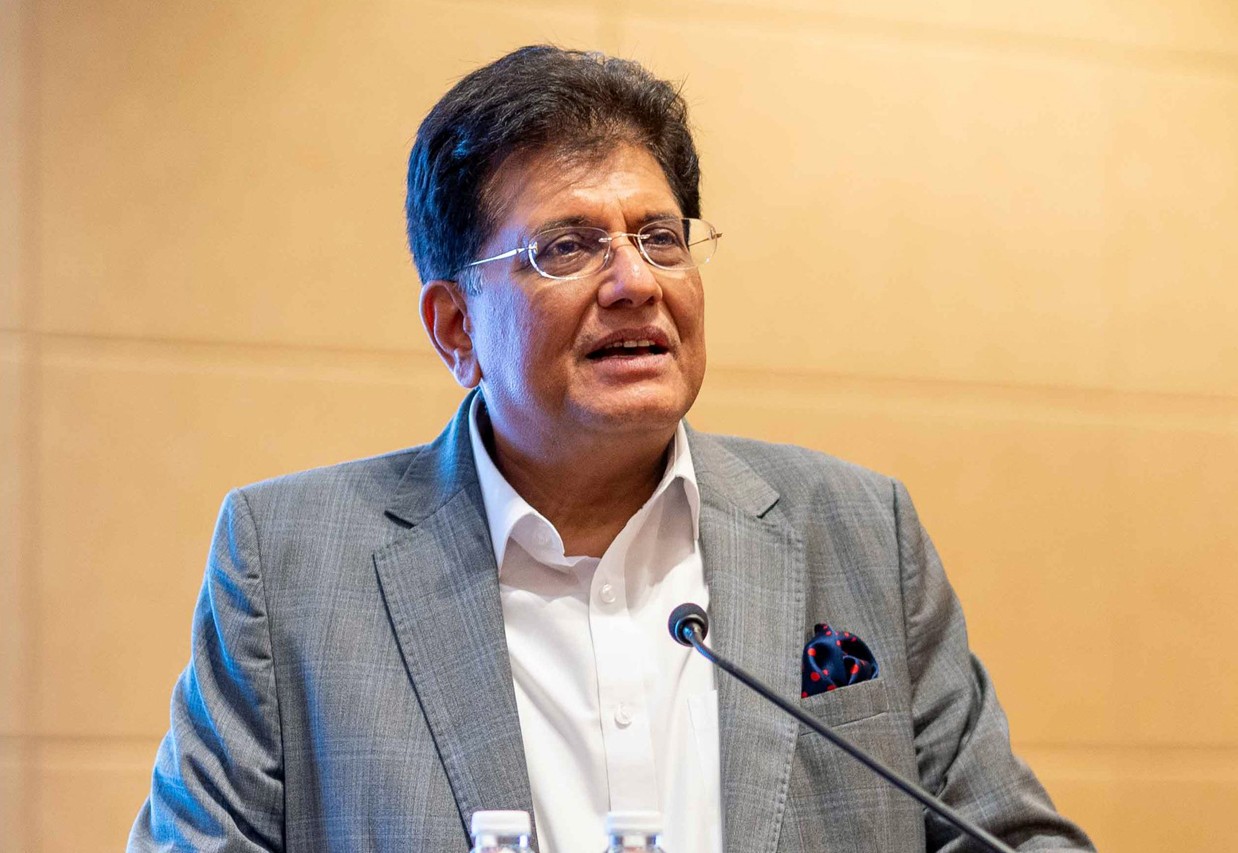
NEW DELHI: India and Germany have agreed to strengthen cooperation on climate resilience, biodiversity conservation, circular economy and sustainable technologies, as environment ministers Bhupender Yadav and Carsten Schneider co-chaired the 4th Indo-German Environment Forum (IGEF) in New Delhi.
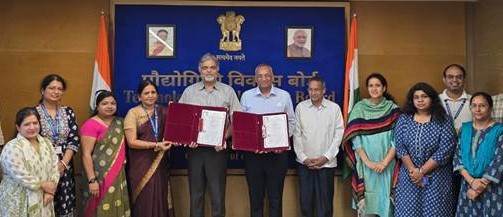
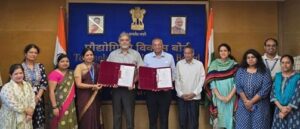
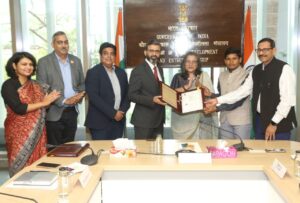
The two countries also signed a Joint Declaration of Intent (JDI) on the conservation and wise use of wetlands of international importance, providing a framework for scientific cooperation, knowledge sharing, restoration and greater community participation.
The IGEF is the highest-level bilateral forum between India and Germany on environmental policy and has been held since 2008. The latest edition was jointly organised by India’s Ministry of Environment, Forest and Climate Change and Germany’s Federal Ministry for the Environment, Climate Protection, Nature Conservation and Nuclear Safety, in association with the Asia-Pacific Committee of German Business and the Federation of Indian Chambers of Commerce and Industry.
Focus on resilience and scalable solutions
Addressing the opening session, Yadav said climate change, biodiversity loss, pollution and resource depletion could no longer be tackled separately and required integrated and collaborative approaches.
Speaking on the theme “Together for More Resilience”, he said India and Germany needed to work towards climate-resilient, resource-efficient and sustainable development pathways.
Yadav said India’s development experience demonstrated that environmental ambition and economic growth did not have to be competing objectives. He also pointed to India’s progress in meeting its commitments under its Nationally Determined Contribution ahead of schedule as evidence of the scale of the country’s environmental transition.
The minister highlighted the economic potential of resource efficiency and circularity, saying India’s circular economy could generate a market value of more than $2 trillion and create close to 10 million jobs by 2050.
He also cited the Resource Efficiency and Circular Economy Industry Coalition, established during India’s G20 Presidency, as an important initiative to bring resource efficiency and circularity into the global economic dialogue.
Germany sees India as renewable energy role model
German Environment Minister Carsten Schneider described India’s rapid expansion of renewable energy as an example for other regions.
Schneider said the growing deployment of solar panels and wind turbines across India demonstrated the country’s momentum in the clean-energy transition. He also described India as a country of the future, highlighting its young population and innovation potential.
The German minister noted that India and Germany were marking 75 years of diplomatic relations in 2026 and shared the objective of ensuring that economic growth advances alongside sustainable development.
He welcomed expanded cooperation on climate adaptation and wetland protection, including plans for joint projects and greater exchange of knowledge and experience.
Decarbonising heavy industry
Yadav said the next phase of India’s industrial transition would have to address the difficult task of decarbonising energy-intensive sectors, including steel, cement and chemicals.
He said achieving this would require innovation, cleaner energy, resource efficiency, supportive policy frameworks and new production processes.
The minister called on the IGEF to strengthen the knowledge and evidence base for environmental decision-making, promote practical and scalable solutions in climate, biodiversity and resource efficiency, and build institutional capacity for implementation.
He said international cooperation in knowledge, technology and innovation would be critical to advancing the transition.
The Indo-German Business Forum, held alongside the environment forum, also examined opportunities for cooperation in renewable energy, energy storage, green hydrogen, energy efficiency, sustainable manufacturing and related technologies.
Wetlands agreement expands bilateral cooperation
During their bilateral meeting on the sidelines of the forum, Yadav and Schneider reaffirmed their commitment to environmental sustainability and climate action.
The JDI on wetlands is intended to strengthen scientific understanding, facilitate the exchange of good practices in wetland management, support restoration approaches and enhance community participation.
The broader forum brought together policymakers, businesses, think tanks, expert groups and non-governmental organisations. Thematic discussions covered low-carbon industries; biodiversity in wetlands, mountains and forests; resource efficiency and the circular economy as a business model; and sustainable finance, green skills and investment mobilisation.
Three Joint Working Groups covering climate change, biodiversity and circular economy had also met ahead of the forum to review progress and identify areas for further cooperation.
The latest discussions come against the backdrop of expanding economic and industrial ties between India and Germany, with sustainable technologies and the green economy emerging as important areas for deeper bilateral engagement.