NPCI International, Uzbekistan’s NIPC sign deal to enable UPI payments across Uzbekistan
NPCI International and Uzbekistan’s NIPC have partnered to enable Indian UPI users to make merchant payments across Uzbekistan by scanning the country’s interoperable UZQR code.
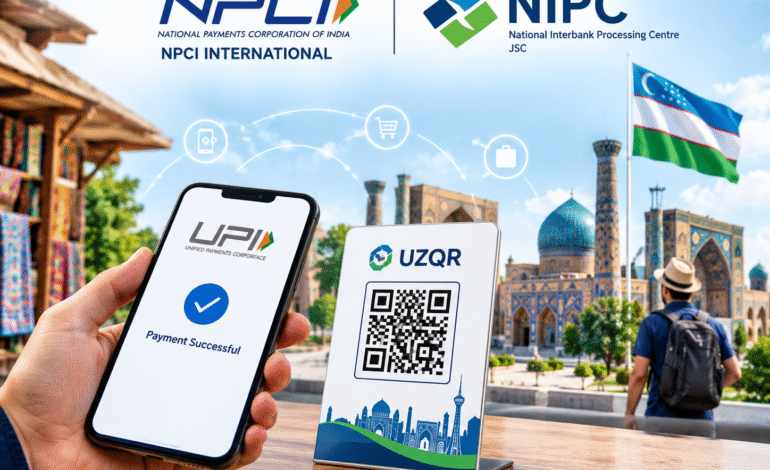
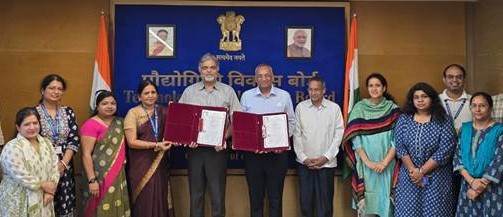
NIPL, the international arm of the National Payments Corporation of India (NPCI), signed the agreement with NIPC, operator of Uzbekistan’s national payment system HUMO, on August 30, 2026.

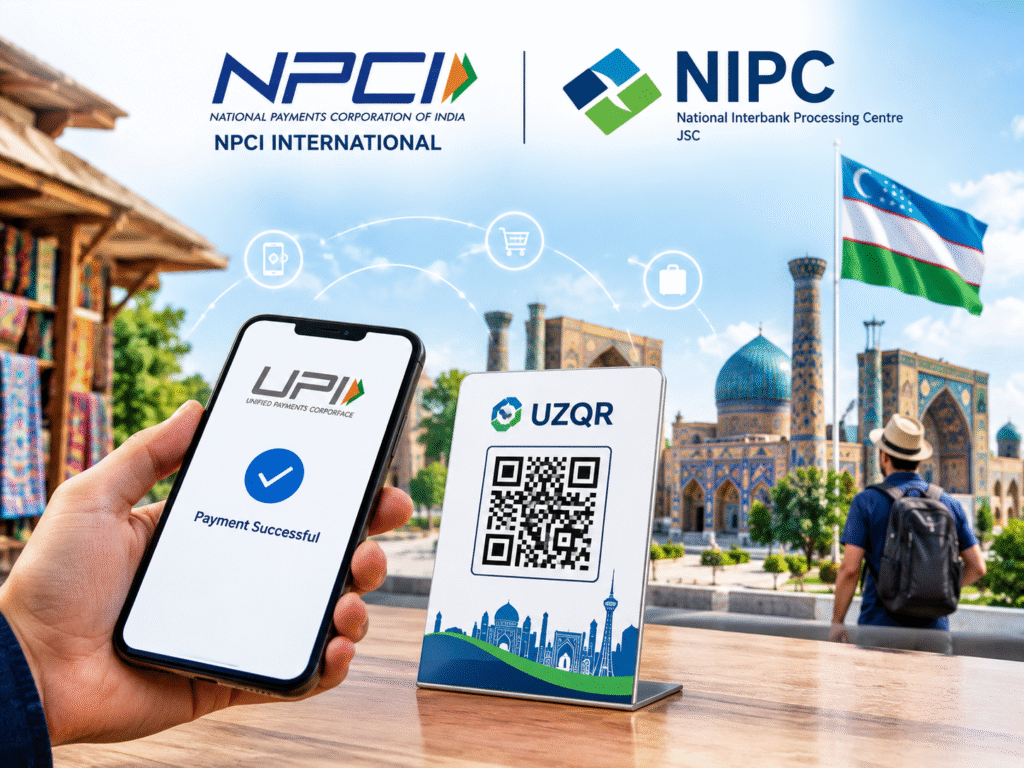
NEW DELHI: Indian tourists, business travellers and students visiting Uzbekistan will soon be able to make merchant payments directly from their Indian bank accounts using their familiar UPI-enabled applications, following a commercial agreement between NPCI International Payments Ltd. (NIPL) and Uzbekistan’s National Interbank Processing Centre JSC (NIPC).
NIPL, the international arm of the National Payments Corporation of India (NPCI), signed the agreement with NIPC, operator of Uzbekistan’s national payment system HUMO, on August 30, 2026.
The partnership integrates UPI with UZQR, Uzbekistan’s national interoperable QR-code infrastructure, allowing Indian users to scan participating merchant QR codes and make instant person-to-merchant (P2M) payments.
The agreement was signed during Prime Minister Narendra Modi’s bilateral visit to Uzbekistan. Its implementation follows regulatory approvals from the Reserve Bank of India (RBI) and the Central Bank of Uzbekistan (CBU), with the latter designating HUMO as NIPL’s authorised partner for cross-border merchant acceptance.
UPI moves deeper into Uzbekistan’s payment ecosystem
The integration with UZQR is designed to provide broad merchant acceptance across Uzbekistan, including retail, hospitality and service establishments.
For Indian travellers, the arrangement is intended to reduce dependence on cash and international payment cards while enabling payments directly through their Indian bank accounts.
The initiative could be particularly relevant for the growing movement of Indian tourists, students and business travellers between the two countries, as it brings India’s widely used digital payment interface into Uzbekistan’s national QR payment infrastructure.
Beyond payments: digital public infrastructure cooperation
The partnership also represents a wider area of cooperation between India and Uzbekistan in digital public infrastructure.
By connecting UPI with Uzbekistan’s national interoperable QR infrastructure, the two countries are extending their digital payment ecosystems across borders while creating a more seamless payment experience for Indian visitors.
The initiative also aligns with the broader strengthening of India-Uzbekistan economic and strategic ties, particularly in areas involving digital connectivity and technology.
UPI’s international footprint
The Uzbekistan agreement adds another international dimension to UPI’s expansion.
According to the information released by NIPL, UPI is accepted in Singapore, the United Arab Emirates, France, Mauritius, Nepal, Bhutan, Qatar, Sri Lanka, Cambodia and Greece, enabling Indian travellers to use UPI for payments abroad.
The Uzbekistan partnership further extends the reach of India’s digital payments infrastructure into Central Asia, potentially making UPI a more familiar payment mechanism for Indian visitors travelling through the region.
Digital India Times Take
The significance of the Uzbekistan agreement goes beyond the convenience of scanning a QR code abroad. UZQR gives UPI access to a national interoperable QR infrastructure rather than relying solely on individual merchant integrations.
For Indian travellers, that could mean a simpler payment experience. For India, it is another example of how a domestic digital public infrastructure platform is being exported as a component of cross-border financial connectivity.
The partnership therefore places UPI not merely as an Indian retail payment system, but increasingly as a cross-border digital payments infrastructure linking India with other national payment ecosystems.