NPCI launches awareness campaign to help users identify and avoid text-message scams
The digital payments body has urged users to stay alert against fraudulent SMS messages that exploit fear, urgency or curiosity, outlining common scam tactics and practical measures to safeguard personal
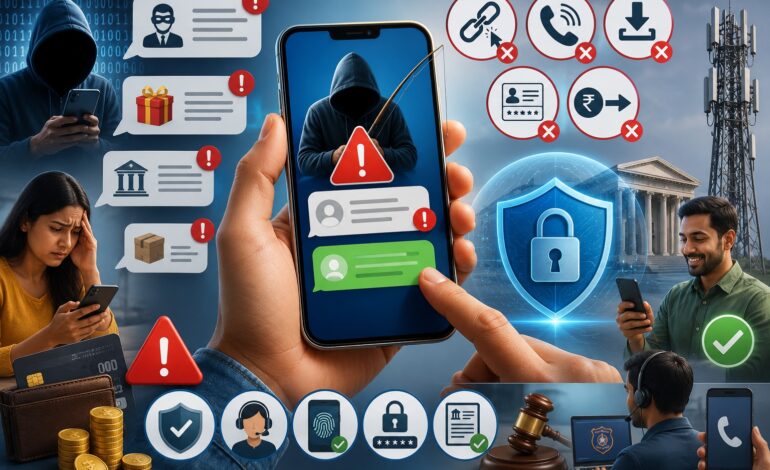
The awareness campaign highlights how fraudsters increasingly rely on social engineering techniques rather than sophisticated hacking methods, manipulating emotions such as fear, urgency and curiosity to trick users into making quick decisions.

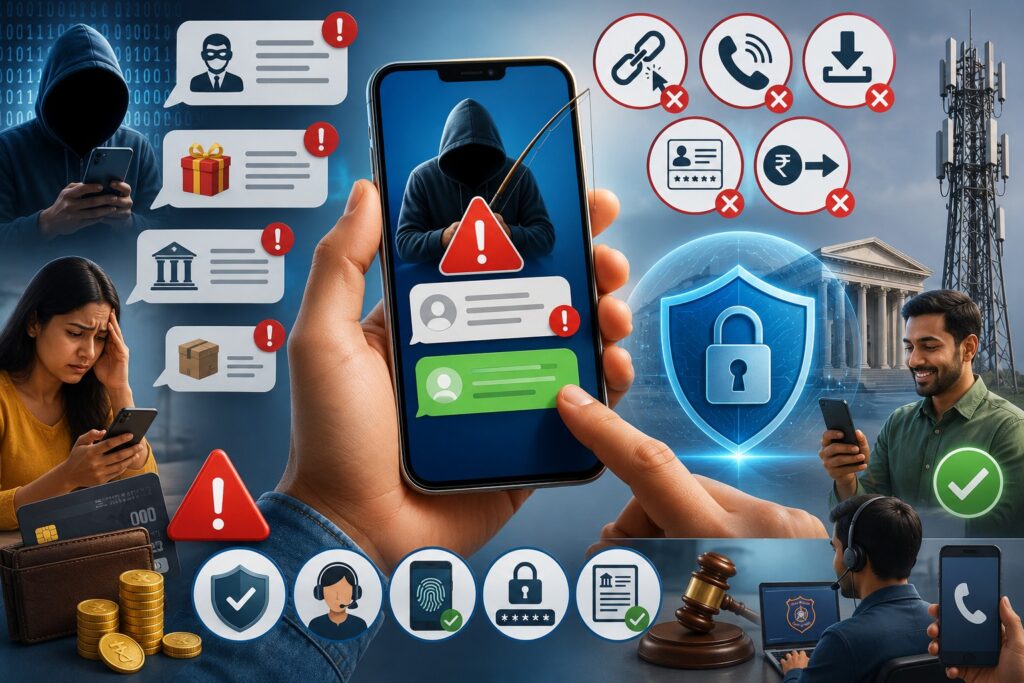
MUMBAI: The National Payments Corporation of India (NPCI) has launched a public awareness initiative to educate digital payment users about the growing threat of text message scams, urging people to exercise caution before responding to suspicious SMS messages that seek to steal money or personal information.
The awareness campaign highlights how fraudsters increasingly rely on social engineering techniques rather than sophisticated hacking methods, manipulating emotions such as fear, urgency and curiosity to trick users into making quick decisions. NPCI said understanding these tactics is essential to recognising warning signs and preventing financial fraud.
According to NPCI, scammers often impersonate trusted organisations such as banks, government agencies, telecom operators, courier companies or customer support services to gain the confidence of unsuspecting users. These fraudulent messages typically attempt to persuade recipients to click malicious links, call fake helpline numbers, download harmful applications, disclose confidential information such as OTPs, UPI PINs or passwords, or transfer money based on false claims of account credits or urgent payment requests.
The organisation has advised users to verify every request through official websites, mobile applications or authorised customer care channels before taking any action. It has also cautioned against downloading applications from unverified sources or clicking links received through unexpected messages. Users have been encouraged to review app permissions carefully and regularly verify account credits directly through their bank statements instead of relying solely on SMS notifications.
🚨 Common Text Message Scams You Should Never Ignore
Fake Links
Messages asking you to click a link to verify your account, update KYC or claim rewards.
Fake Customer Care
Fraudsters posing as bank, UPI or delivery executives asking you to call a fake helpline.
Malicious Apps
SMS asking you to download APK files or unknown apps that can steal your data.
OTP & PIN Theft
Messages or callers asking you to share OTPs, UPI PINs, passwords or banking credentials.
Fake Money Credit
SMS claiming money has been credited to your account and asking you to return or transfer funds.
Prize & Reward Scams
Fake lottery wins, cashback offers or gift vouchers designed to lure you into sharing personal information.
Never click suspicious links, download unknown apps, share OTPs or UPI PINs, or transfer money based on an SMS. Always verify requests through the official website, banking app or customer care. If you suspect fraud, report it immediately by calling 1930.
As part of the campaign, NPCI has emphasised that sensitive information such as OTPs, UPI PINs and passwords should never be shared with anyone, regardless of the identity claimed by the caller or message sender. It has also advised people to preserve suspicious messages, take screenshots and maintain records of fraudulent interactions, which could assist law enforcement agencies during investigations.
Victims or recipients of suspicious messages have been urged to report cyber fraud immediately through the national cybercrime helpline by dialling 1930 or by reporting suspicious mobile numbers and communications through the Department of Telecommunications’ Sanchar Saathi platform.
NPCI, the umbrella organisation for retail payment and settlement systems in India, has played a central role in building the country’s digital payments ecosystem through platforms such as UPI, RuPay, IMPS, NACH, AePS, NETC and e-RUPI. The organisation said sustained public awareness remains one of the most effective tools for protecting users as digital transactions continue to grow rapidly across the country.