India Unveils World’s First Nuclear Heat-Based Copper-Chlorine Hydrogen Production Facility
DAE inaugurates pioneering clean hydrogen plant at Kalpakkam, marking a major breakthrough in advanced nuclear technology and carbon-free energy production
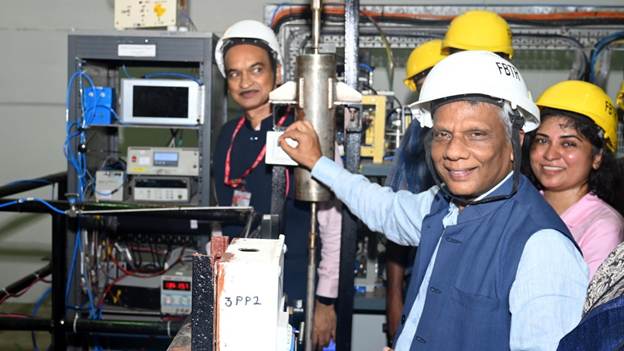
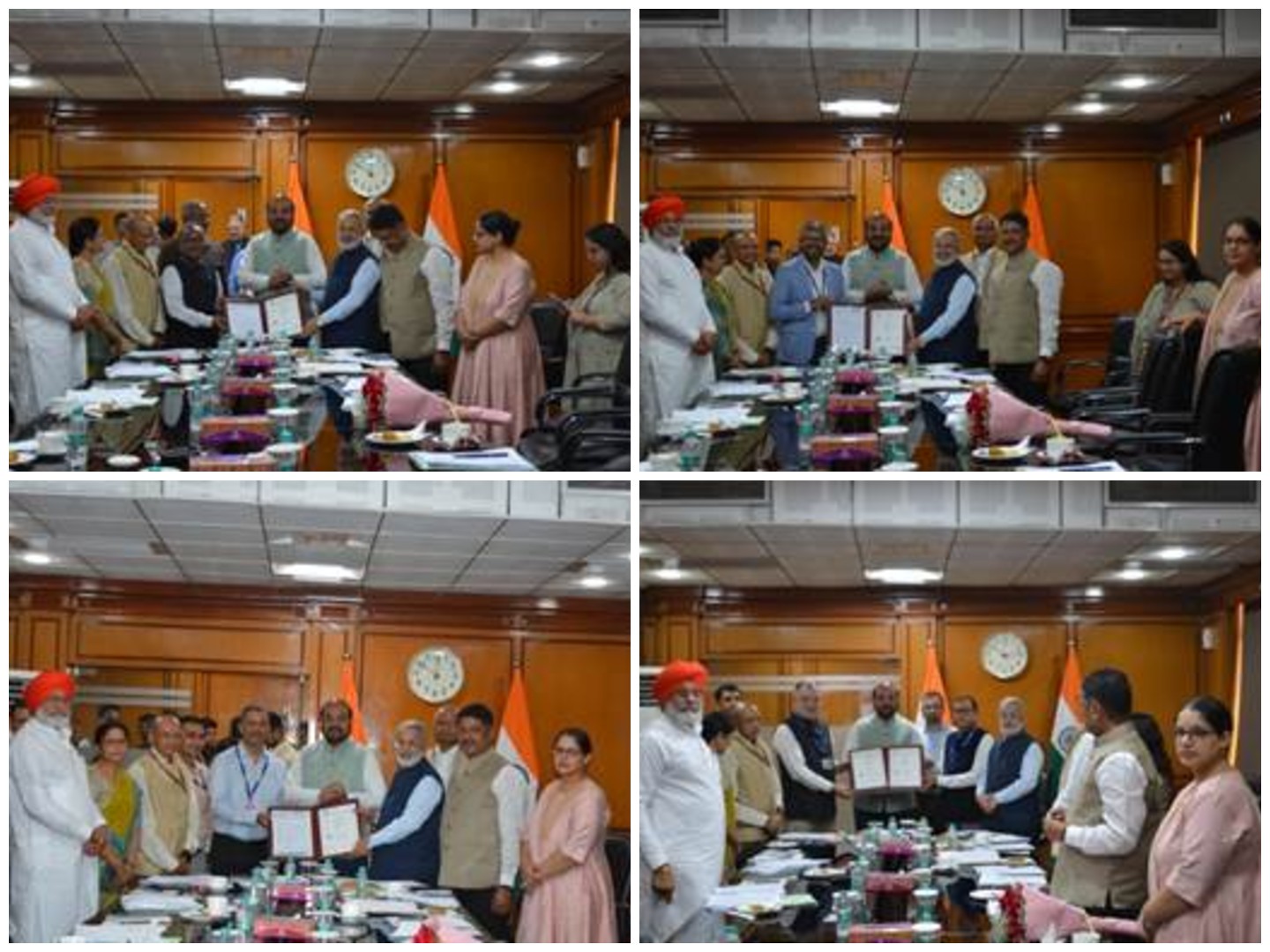
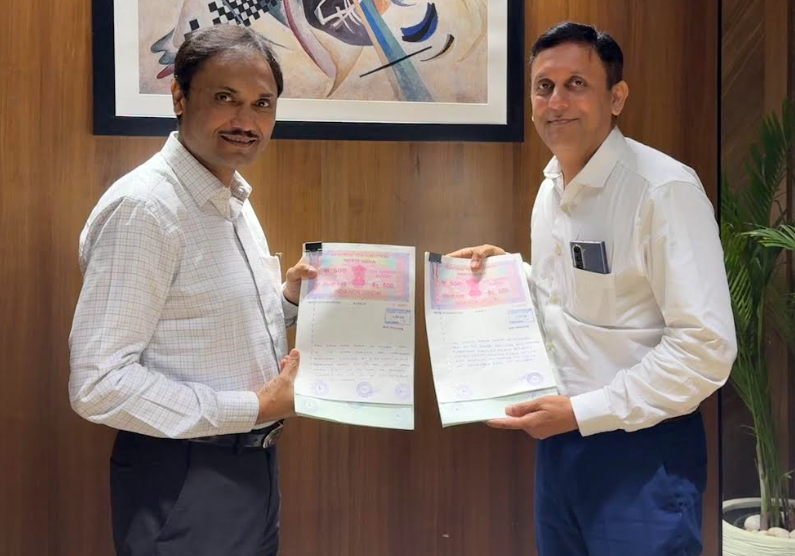
Dr Ajit Kumar Mohanty, Secretary, Department of Atomic Energy (DAE) and Chairman, Atomic Energy Commission (AEC), inaugurates the world's first Copper–Chlorine thermochemical hydrogen production facility using nuclear process heat from the Fast Breeder Test Reactor at the Indira Gandhi Centre for Atomic Research (IGCAR), Kalpakkam, in the presence of Sreekumar G. Pillai, Director, IGCAR, on Friday.

Kalpakkam (Tamil Nadu): India has achieved a global first by commissioning the world’s first hydrogen production facility based on the Copper–Chlorine (Cu–Cl) thermochemical cycle powered by nuclear process heat from the Fast Breeder Test Reactor (FBTR), opening a new chapter in the country’s clean energy and advanced nuclear technology programme.
The landmark facility, established at the Indira Gandhi Centre for Atomic Research (IGCAR), Kalpakkam, was inaugurated on Friday by Dr Ajit Kumar Mohanty, Secretary, Department of Atomic Energy (DAE) and Chairman, Atomic Energy Commission (AEC), in the presence of Sreekumar G. Pillai, Director, IGCAR.
The demonstration plant integrates nuclear process heat with hydrogen production using the indigenously developed Copper–Chlorine thermochemical process designed by the Bhabha Atomic Research Centre (BARC), representing a significant technological milestone in India’s pursuit of carbon-free energy solutions.
A Global First in Clean Hydrogen
Hydrogen is increasingly regarded as one of the most promising clean fuels for decarbonising industries, transport and power generation.
Unlike conventional hydrogen production, which relies heavily on fossil fuels, the Cu–Cl thermochemical process harnesses high-temperature nuclear heat generated by the Fast Breeder Test Reactor to produce hydrogen without greenhouse gas emissions.
The technology operates at comparatively lower temperatures than many other thermochemical hydrogen production methods, offering higher thermodynamic efficiency and making it a promising pathway for future commercial-scale clean hydrogen production.
According to the Department of Atomic Energy, the facility will serve as a technology demonstrator to validate the process while generating operational experience for scaling up nuclear-assisted hydrogen production in the years ahead.
Expanding the Role of Nuclear Energy
The project marks an important evolution in India’s nuclear programme by demonstrating that nuclear reactors can contribute beyond electricity generation.
Speaking at the inauguration, Dr Ajit Kumar Mohanty said the convergence of nuclear energy and hydrogen technologies offers a strategic pathway towards a sustainable energy future by providing both carbon-free electricity and high-temperature process heat required for industrial applications.
He credited scientists and engineers from BARC and IGCAR for successfully translating an advanced scientific concept into an operational technology through years of research, engineering and innovation.
Built on Four Decades of Fast Reactor Expertise
The achievement builds upon the unique capabilities of the Fast Breeder Test Reactor, India’s only operating fast reactor research facility.
Commissioned more than four decades ago, FBTR has played a central role in developing advanced reactor fuels, materials, sodium technologies and engineering systems that underpin India’s three-stage nuclear power programme.
The knowledge generated through FBTR has also contributed significantly to the development of the 500 MWe Prototype Fast Breeder Reactor (PFBR), the flagship project of the second stage of India’s long-term nuclear energy strategy.
According to IGCAR Director Sreekumar G. Pillai, the successful demonstration highlights the versatility of advanced nuclear systems while showcasing India’s ability to develop innovative technologies that support clean energy and long-term energy security.
Supporting India’s Hydrogen Mission
The commissioning of the facility aligns with India’s broader ambition to emerge as a global leader in clean hydrogen under the National Green Hydrogen Mission while advancing the objectives of Atmanirbhar Bharat and Viksit Bharat.
By combining indigenous reactor technology with homegrown hydrogen production processes, the project demonstrates how advanced nuclear systems can complement renewable energy in building a diversified low-carbon energy ecosystem.
Officials said the technology will now support further optimisation and future research aimed at commercial deployment of nuclear-assisted hydrogen production, strengthening India’s position among global leaders in advanced nuclear science and clean energy innovation.
For more information:
- Department of Atomic Energy: https://dae.gov.in/
- Indira Gandhi Centre for Atomic Research (IGCAR): https://www.igcar.gov.in/
- Bhabha Atomic Research Centre (BARC): https://www.barc.gov.in/