Centre Activates El Niño Preparedness Plan; Farmers Need Not Panic, Says Shivraj Singh Chouhan
Reservoir levels above normal, states directed to strengthen contingency plans, seed reserves and water management ahead of Kharif season
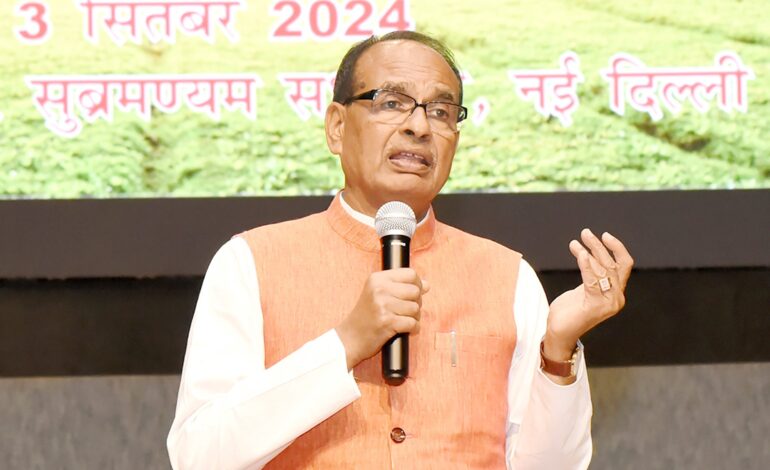
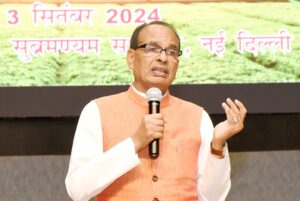
Union Minister for Agriculture and Farmers’ Welfare Shivraj Singh Chouhan

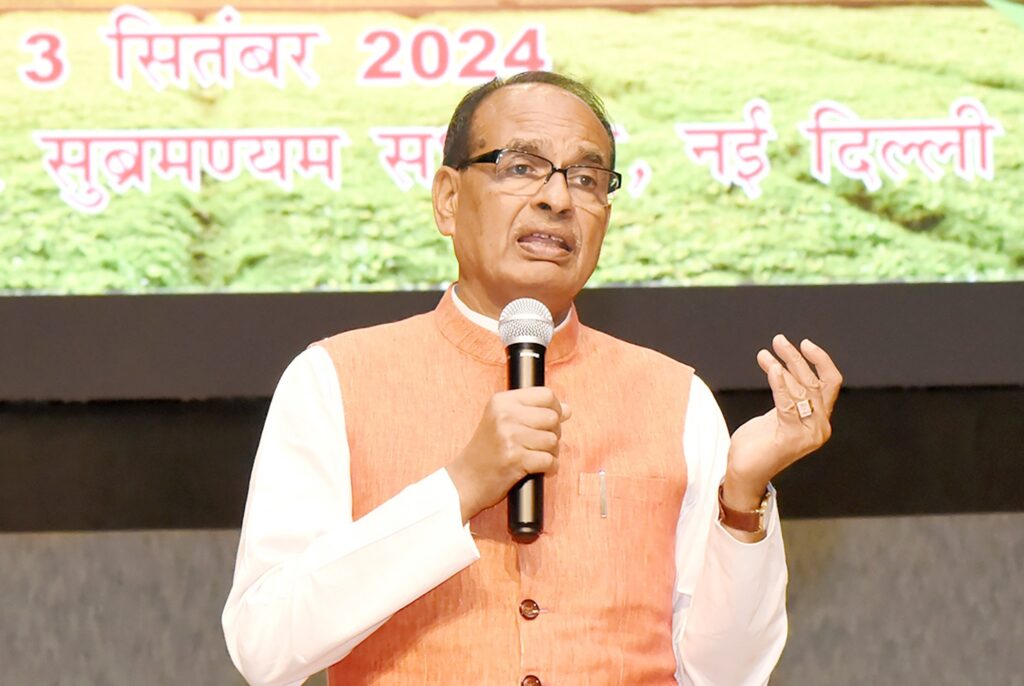
New Delhi: The Centre has intensified preparations for the 2026 Southwest Monsoon amid forecasts of below-normal rainfall and the possible emergence of El Niño conditions, with Agriculture and Farmers’ Welfare Minister Shivraj Singh Chouhan assuring farmers that there is no reason for concern and that comprehensive measures are being put in place to protect agricultural production and rural livelihoods.
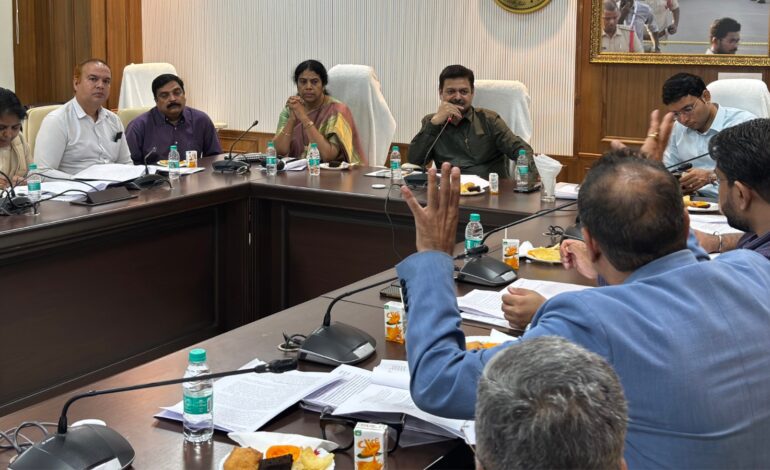
Chairing a high-level review meeting at Krishi Bhawan in New Delhi, Chouhan directed central ministries and state governments to work in close coordination to ensure timely support for farmers through improved water management, adequate seed availability, moisture conservation measures and alternative crop planning.
The minister said the government was treating weather forecasts with utmost seriousness while ensuring that preparations remained focused on minimising the impact of adverse climatic conditions on farmers and agricultural activity. He stressed that contingency plans must move beyond paperwork and translate into visible action at the district level.
According to the review, the India Meteorological Department has projected that seasonal rainfall during the 2026 Southwest Monsoon could be around 90% of the Long Period Average, with El Niño conditions likely to develop during the monsoon period. In response, states have been advised to remain on alert and strengthen preparedness measures.
A positive factor highlighted during the meeting was the country’s reservoir position. Officials informed the minister that reservoir storage currently stands at 127.01% of the normal level for this period, providing a strong buffer for irrigation requirements during the upcoming Kharif season.
Chouhan instructed officials to closely monitor districts vulnerable to low rainfall, prolonged dry spells or higher El Niño impact. He called for area-specific and crop-specific strategies, including the promotion of drought-resistant varieties, alternative crops and delayed-sowing options wherever necessary.
The minister was informed that seed availability for both Kharif and Rabi crops is more than adequate and that a National Seed Reserve has been established to address emergency requirements. He emphasised that states must ensure the supply of certified, high-quality seeds and keep short-duration, low-water-consuming varieties ready for contingency situations.
Highlighting the role of rural development programmes, Chouhan called for accelerated efforts in water conservation, moisture retention, farm pond construction, water harvesting and strengthening local irrigation infrastructure. He said scientific water management could significantly reduce crop losses even under deficient rainfall conditions.
The minister also stressed efficient utilisation of reservoir water and directed states to ensure that irrigation reaches tail-end regions of canal networks. He asked officials to prepare district-specific plans for dry spells lasting up to four weeks, including provisions for resowing, life-saving irrigation and alternative cropping systems.
Disease and pest management formed another key focus area of the review. Chouhan directed departments to identify likely pest and disease outbreaks arising from weather fluctuations and to disseminate preventive advisories to farmers well in advance.
He further called for stronger use of digital platforms, mobile advisories, call centres and local extension networks to ensure timely delivery of crop-related information, warnings and recommendations directly to farmers.
Emphasising inter-departmental coordination, the minister said weather, irrigation, seed supply, pest management and rural development agencies must operate through a shared and integrated framework. He expressed confidence that effective planning, technological interventions and coordinated action would help safeguard the Kharif season and protect farmers’ interests despite potential climatic challenges.
The review meeting was conducted by the Department of Agriculture and Farmers’ Welfare and included discussions on monsoon forecasts, reservoir storage, crop preparedness, seed availability, state-level contingency planning and strategies to address the possible effects of El Niño during the 2026 Kharif season.