Parliament Monsoon Session 2026: Key bills, political flashpoints and what to expect
The government has listed five new Bills for introduction, consideration and passage, besides two pending Bills already before Parliament.
This session will test the government's ability to secure support for its economic and institutional reform agenda while navigating an assertive Opposition seeking debates on politically sensitive issues.

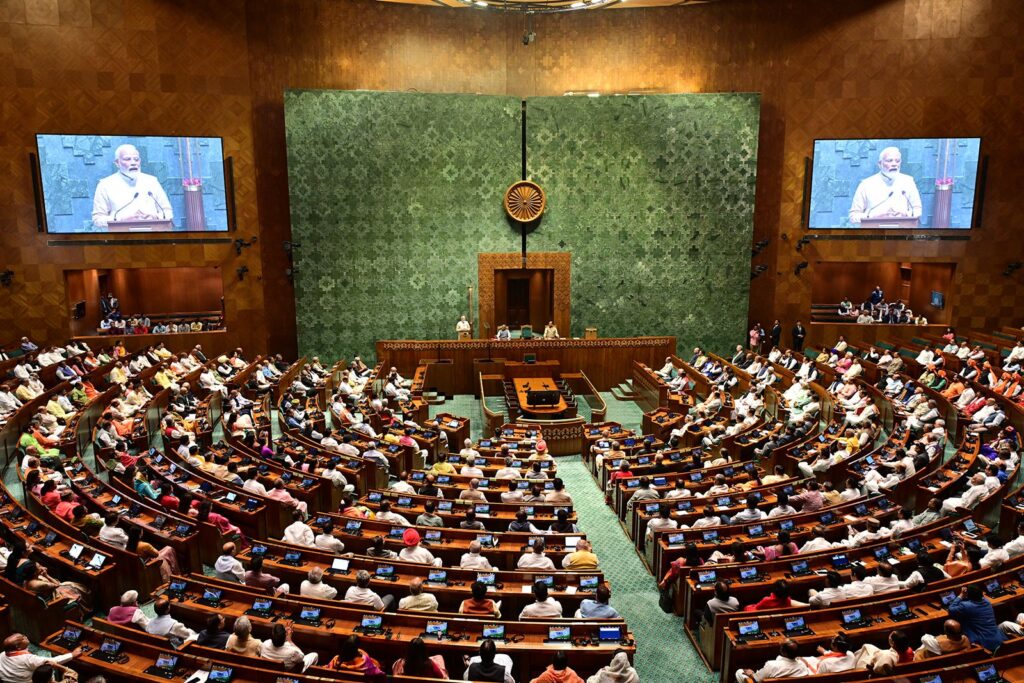
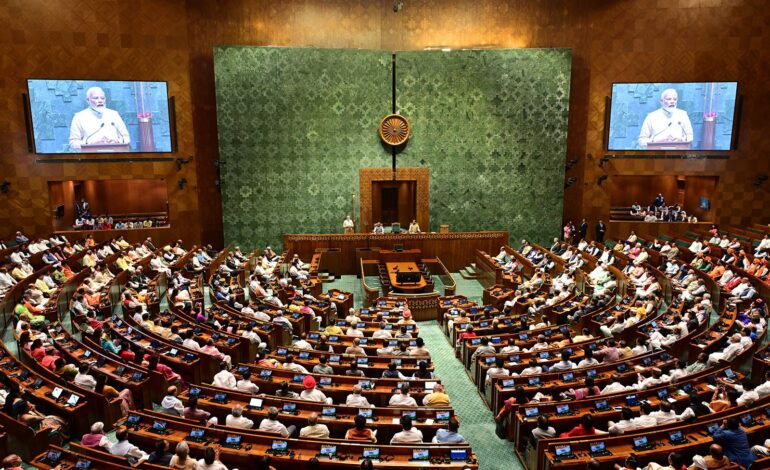
NEW DELHI: The Monsoon Session of Parliament begins today (July 20) and will continue until August 13, with 19 sittings scheduled across both Houses. The session is expected to be politically charged, with the government pushing a legislative agenda centred on economic reforms, judicial capacity and governance, while the Opposition is preparing to raise several contentious national issues.
Bills on the Government’s Agenda
The government has listed five new Bills for introduction, consideration and passage, besides two pending Bills already before Parliament.
1. Income-tax (Amendment) Bill, 2026
The Bill seeks to replace the Income-tax (Amendment) Ordinance, 2026. It proposes tax exemptions for foreign institutional investors and the Bank for International Settlements on specified government securities, aiming to strengthen India’s sovereign debt market.
2. MSME Development (Amendment) Bill, 2026
A key reform for small businesses, the Bill proposes stronger mechanisms to tackle delayed payments to MSMEs, improve enforcement of arbitral awards and allow states greater flexibility in constituting Micro and Small Enterprises Facilitation Councils.
3. Registration of Births and Deaths (Amendment) Bill, 2026
The legislation seeks to tighten provisions relating to delayed registration of births and deaths, strengthening the integrity of civil registration records.
4. Supreme Court (Number of Judges) Amendment Bill, 2026
The Bill aims to increase the sanctioned strength of Supreme Court judges from 33 to 37 (excluding the Chief Justice of India) to help reduce pendency and improve judicial efficiency.
5. Prevention of Insults to National Honour (Amendment) Bill, 2026
The government proposes amendments to the 1971 law governing offences relating to the National Flag, Constitution and National Anthem. Detailed provisions are expected to be debated during the session.
Pending Bills Scheduled for Passage
The government also plans to take up two important pending legislations:
- Foreign Contribution (Regulation) Amendment Bill, 2026, which proposes changes in the management of foreign contributions and reduces penalties for certain violations.
- Viksit Bharat Shiksha Adhishthan Bill, 2025, a landmark higher education reform that seeks to replace the UGC, AICTE and NCTE with a single national regulatory commission. The Bill is currently with a Joint Parliamentary Committee.
Issues Likely to Dominate the Session
Although the legislative agenda is relatively compact, the political agenda is expected to be far broader.
The Opposition is likely to demand discussions on:
- NEET-related issues
- Ram Temple-related controversies
- Ethanol (E20) policy
- Other governance and public interest matters raised during the all-party meeting.
Parliamentary Affairs Minister Kiren Rijiju has appealed to all political parties to ensure the smooth functioning of both Houses and facilitate productive legislative business.
Notably Missing from the Agenda
Several politically significant proposals do not figure in the government’s legislative business list for this session, including:
- Delimitation package
- Measures to operationalise women’s reservation
- Other constitutional proposals linked to constituency readjustment.
At a Glance
| Item | Details |
|---|---|
| Session | Monsoon Session 2026 |
| Duration | July 20 – August 13 |
| Total sittings | 19 |
| New Bills | 5 |
| Pending Bills for passage | 2 |
| Total pending Bills before Parliament | 28 |
What to Watch
This session will test the government’s ability to secure support for its economic and institutional reform agenda while navigating an assertive Opposition seeking debates on politically sensitive issues. Legislative progress will depend as much on floor management as on consensus-building, making the next few weeks significant for both governance and national politics.