India–Cambodia Joint Drill CINBAX-II Begins May 4; Focus on Counter-Terror Ops, UN Peacekeeping Readiness
120 Indian Army personnel, largely from Maratha Light Infantry, to train with 160 Cambodian troops in semi-urban warfare scenarios
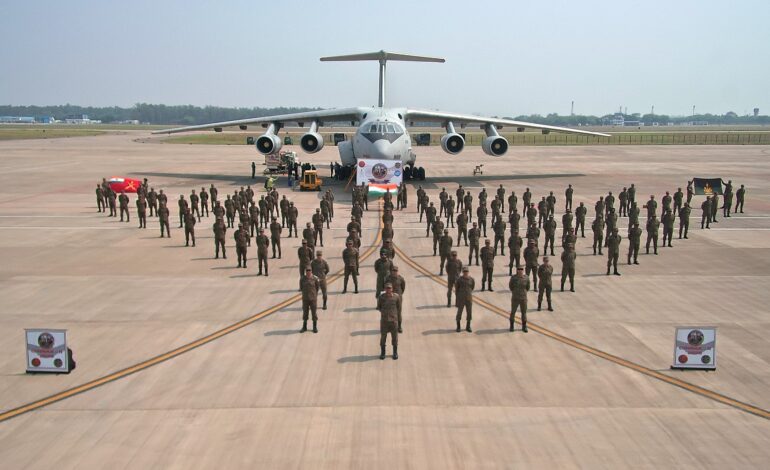
The Indian contingent comprises 120 personnel, primarily from a battalion of the Maratha Light Infantry Regiment, while the Royal Cambodian Army is represented by 160 troops.

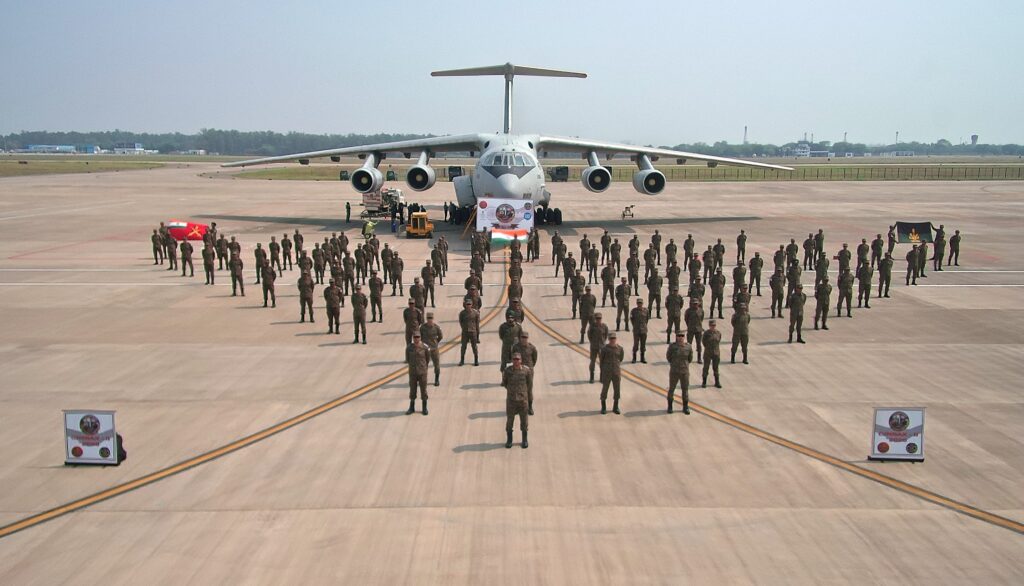
New Delhi: An Indian Army contingent has departed for the second edition of the India–Cambodia bilateral military exercise, CINBAX-II 2026, scheduled to be held from May 4 to 17 at the Techo Sen Phnom Thom Mreas Prov Royal Cambodian Air Force Training Centre (Camp Basil) in Kampong Speu province, Cambodia.
The Indian contingent comprises 120 personnel, primarily from a battalion of the Maratha Light Infantry Regiment, while the Royal Cambodian Army is represented by 160 troops. The exercise is being conducted as part of ongoing defence cooperation between the two countries amid evolving regional and global security dynamics.
CINBAX-II 2026 will be conducted under the framework of Chapter VII of the United Nations mandate, focusing on joint operations in sub-conventional environments. The training is designed at the company level and will simulate conditions typically encountered during UN peacekeeping missions.
Officials said the exercise will align with current counter-terrorism challenges faced by peacekeeping forces. It will include tactical drills, structured discussions and a final validation exercise to assess operational readiness. Specialised modules such as drone operations, mortar handling and sniper tactics are also part of the training schedule.
The primary objective is to enhance interoperability, coordination and operational synergy between the two armies. The exercise will also serve as a platform for exchanging best practices and sharing field experiences from operations conducted in semi-urban and hostile environments.
Defence officials noted that CINBAX-II underscores the growing military engagement between India and Cambodia, and is expected to strengthen bilateral ties while contributing to a shared understanding of regional security challenges.
The first edition of the exercise laid the foundation for deeper cooperation, and the current iteration builds on that momentum with a sharper focus on real-world operational scenarios and joint preparedness for peacekeeping missions.